Over the last decade, protein has become much more than just a nutritional component – it has become a symbol of health, performance, and a vital lifestyle. But with popularity came significant confusion. Are we consuming too much? Do vegan athletes need a different calculation? And what does science say about absorbing more than 30g in a single meal?
\nThe following guide consolidates the most up-to-date knowledge for 2026 to help you organize your plate and ensure that every gram of protein you consume serves your goals.
\nThe Science Behind the Numbers: How Much Protein Do You Really Need?
\nOld recommendations from health organizations (0.8g per kg) were designed to prevent nutritional deficiencies in the general, inactive population. For those who train, want to improve body composition, or are in the process of losing weight, the numbers look completely different.
\nHere is the breakdown of recommended intake by activity level and goal:
| Goal / Activity Level | Recommended Amount (g per kg of body weight) |
|---|---|
| Sedentary lifestyle (no training) | 1.0 - 1.2g |
| Endurance athletes (running, cycling, swimming) | 1.4 - 1.7g |
| Building muscle mass (hypertrophy) | 1.6 - 2.2g |
| Muscle preservation during cutting (caloric deficit) | 2.0 - 2.4g |
Important note: For individuals with a body fat percentage significantly higher than average, it is recommended to calculate the amount based on Ideal Body Weight (Goal Weight) rather than current weight.
\nPlant-Based vs. Animal Protein: Is There a Difference in Quality?
\nIn 2026, the science is settled: you can build high-quality muscle mass and reach peak performance using only plant-based protein. The key lies in the "amino acid profile."
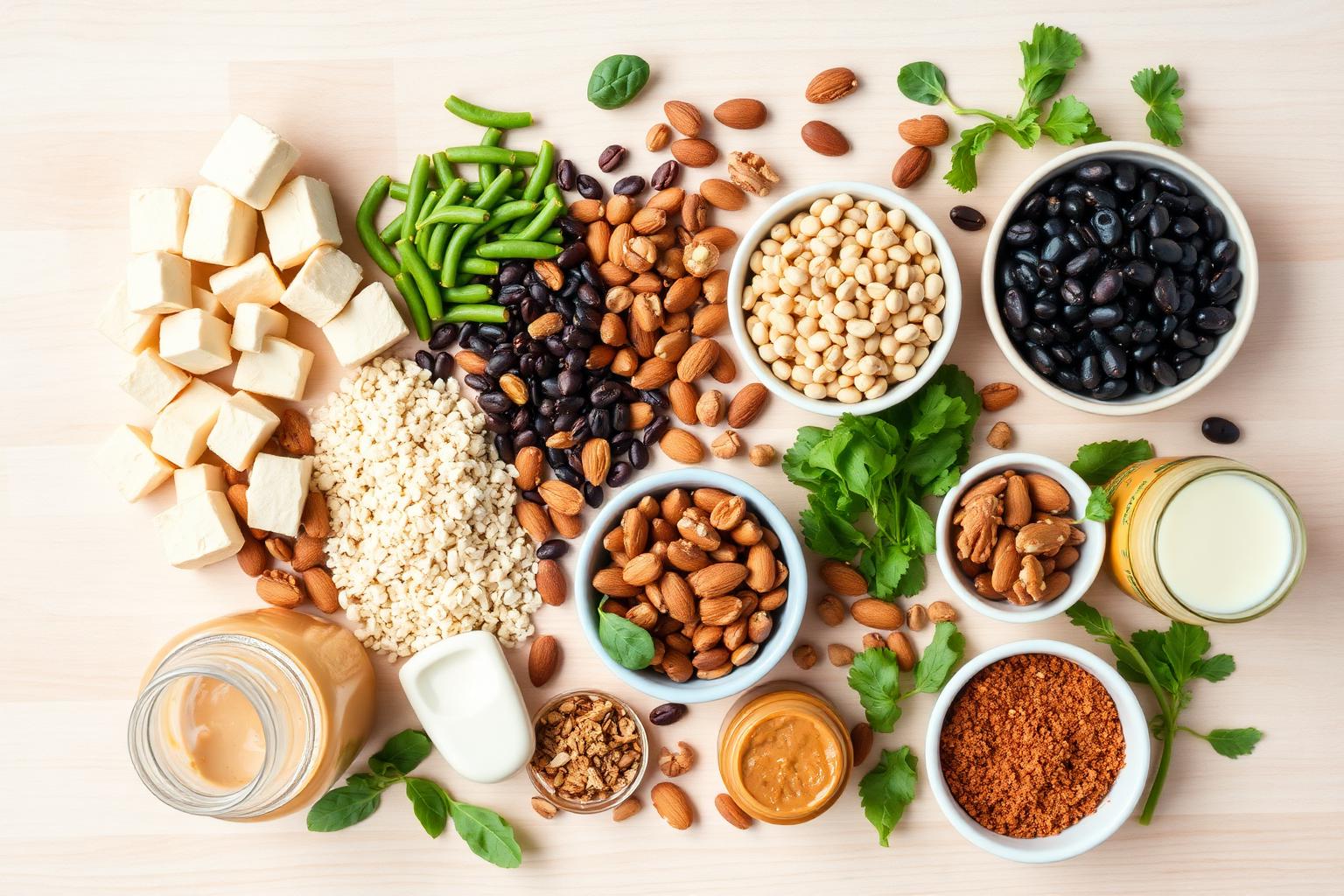
\nWhile animal protein is usually "complete," plant proteins may be low in a specific amino acid. The solution is simple: variety. Combining legumes (lentils, beans, soy) with grains (rice, quinoa, spelt) or consuming soy (a complete protein in its own right) provides the body with everything it needs for building and recovery.
\nBusting the Absorption Myth: How Much Protein Can You Eat in One Meal?
\nOne of the most common myths is that the body cannot absorb more than 30g of protein per meal. The truth is that the body can absorb almost all the protein you eat, but its ability to utilize that protein specifically for muscle protein synthesis (MPS) is limited.
\nTo maximize muscle building throughout the day, professional recommendations suggest spreading your daily protein intake over 3 to 5 meals, with each meal containing between 0.4 and 0.5g of protein per kilogram of your body weight.
Timing Isn't Everything: The "Window of Opportunity"
\nForget the pressure to guzzle a protein shake in the locker room the second your workout ends. Current research shows that muscle protein synthesis remains elevated for 24-48 hours after strength training. What truly determines your results is total daily protein, not the timing of a few short minutes.
\nRecommended Protein Sources to Include in Your Menu
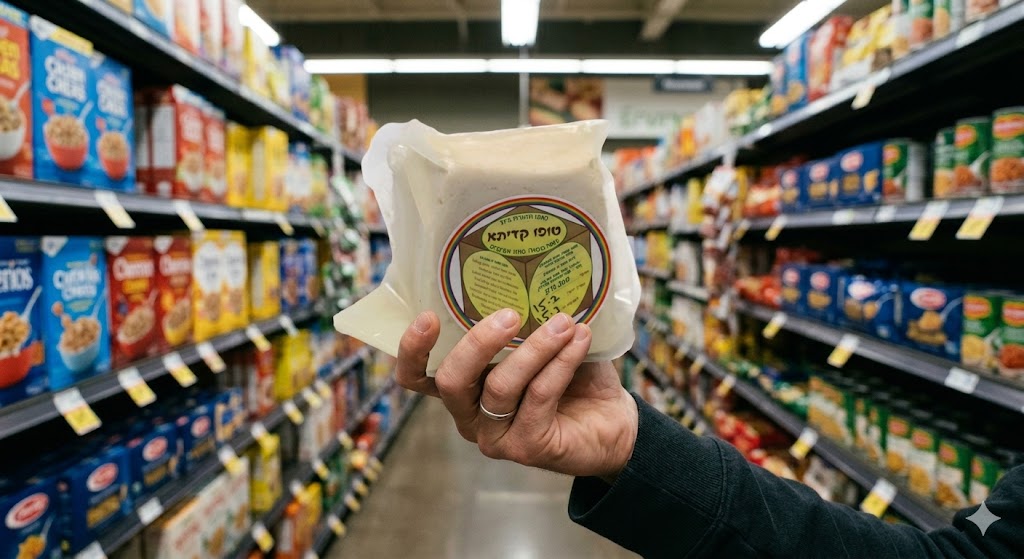
\n- Soy and its products: Tofu, tempeh, and edamame beans (complete protein).
- Seitan: "Wheat meat," containing a very high protein concentration (about 25g per 100 g (3.5 oz)).
- Legumes: Lentils, chickpeas, and beans.
- Seeds and nuts: Pumpkin seeds, hemp, and chia.
Not sure how much protein you personally need?
\nInstead of getting tangled in manual calculations, use our professional protein calculator.
\n\n