The Complete Guide to Plant-Based Protein
How to get enough protein from a vegan diet
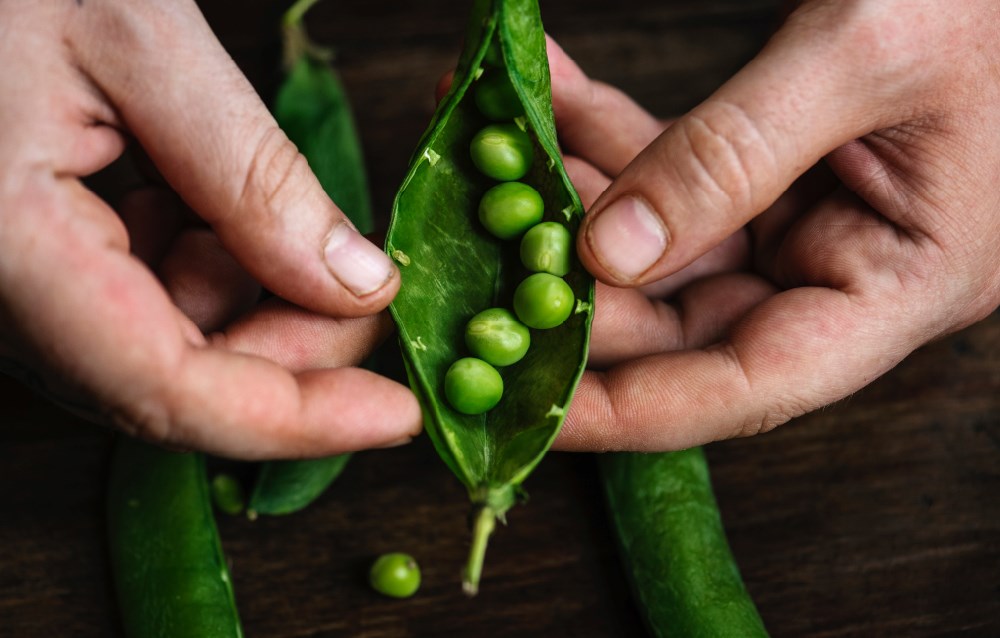
In a vegan diet, which is based solely on plant-derived foods, concerns often arise regarding whether it is possible to obtain the required amount of protein, especially if you are physically active.
But the opposite is true: there are high-quality protein sources derived from plants. By following a tailored, varied, and rich diet, you can reach protein amounts suitable for any physical or health goal.
So, before we start supplementing with powders and protein bars, or counting grams of protein from legumes and tofu, it is important to understand what protein is, how much is recommended to consume, and the importance of sufficient intake.
What is Protein?
Protein is one of the three central macronutrients in our diet.
Our body is made up of more than 10,000 different types of protein found in every tissue and part of our body; muscles, bones, hair, hormones, enzymes, antigens, and more.
There is no doubt that protein is essential and critical for the efficient and proper functioning of all body systems.
The U.S. health organizations have determined that the recommendation for the general population is a consumption of 0.8g of protein per 1 kg (2.2 lb) of body weight. The range of consumption from total daily calories can vary between 10-35%, depending on an individual's health status, goals, and preferences.
Insufficient protein intake will eventually lead to weakening and even damage to body tissues and systems; growth failure (in infants and children), loss of muscle mass, and weakening of the immune system, heart muscle, and respiratory system.
Are All Proteins Created Equal?
Every protein is built from building blocks called amino acids, in various combinations and chain lengths.
Amino acids can be divided into two types:
(1) Non-essential amino acids – those the body can produce itself or by modifying certain amino acids.
(2) Essential amino acids – those the body cannot produce on its own, making it necessary to consume them through the diet.
There are about 20 amino acids the body needs for proper systemic activity.
Food derived from animals will contain the full range of amino acids required by the body.
Food derived from plants, such as fruits, vegetables, grains, nuts, and almonds, may not contain all essential amino acids, which is where the importance of variety comes in.
A diet based solely on plant sources, provided it is varied and rich, will indeed provide the full range of amino acids.
What is High-Quality Protein?
The DIAAS (Digestible Indispensable Amino Acid Score), which measures protein quality, defines high-quality protein as follows:
Protein intake at a dose of 0.66g/kg of body weight will provide 100% of the essential amino acids for our body.
The index refers to the amount of amino acids and their absorption capacity in the digestive system.
Protein sources with a BV (Biological Value) defined above 100% are considered high-quality protein sources.
For example: if a healthy person weighing 60 kg (132.3 lb) consumes 40g of protein (0.66g of protein/kg of body weight) from food sources, they will receive the full essential amino acids for their body's proper functioning.
The popular opinion is that whey protein and beef are the highest quality protein sources, but this is not entirely accurate.
At the top of the list of high-quality protein sources are milk protein (casein + whey), casein (one of the milk proteins), whole milk, eggs, isolate whey protein, and right after it, concentrated whey protein (7,6).
If we look at plant-based protein sources alone, soy is also at the top according to the DIAAS index, but all other plant-based proteins are in the 50-70% range of the index.
To reach the required dose in terms of essential amino acids, we will need to consume a higher amount of protein that is not in the 100% category according to the DIAAS index. A simple mathematical explanation shows the differences between protein consumption in an omnivorous diet versus a plant-based diet:
- A diet including meat, eggs, and dairy products will allow for a consumption of 0.66g of protein/kg of body weight to provide the full essential amino acids to the body.
- A plant-only diet will require 1g of protein/kg of body weight to provide the full essential amino acids to the body.
The comparison refers to a healthy population, without considering training. If a person trains, the requirements will increase two or even three-fold.
As remembered, the recommendation for the general healthy population is 0.8g of protein/kg of body weight because here there is no separation between essential and non-essential amino acids (which also exist in the food we eat).
The "Protein" Caloric Density of Plant Foods
The caloric density of plant protein is different from that of animal protein.
Hence, a person who wants to gain muscle mass or reduce body fat percentage (cutting) might encounter an obstacle if relying solely on a vegan diet.
An example illustrates the meaning of this:
An omnivore will get 30g of protein from 100 g (3.5 oz) of chicken breast, where the "caloric cost" of reaching this protein amount will be ~165 kcal.
A person eating a plant-based diet will get 30g of protein from tofu at a "caloric cost" of ~270 kcal.
In other words, the caloric density of plant products is higher, and this must be taken into account when the goal is maintaining a caloric deficit while consuming sufficient protein (according to physical goals).
How Much Protein Should You Consume per Day?
As mentioned above, health organizations recommend consuming 0.8g of protein for every 1 kg (2.2 lb) of body weight for the general healthy population.
For example: for a person weighing 60 kg (132.3 lb), it is recommended to consume about 50 g (1.8 oz) of protein per day.
In practice, the daily protein requirement varies according to health status and activity level.
The kidneys are responsible for filtering the by-products of protein breakdown and other metabolites (uric acid and ammonia).
How Much Protein for Muscle Mass Development or Training Support?
To gain muscle mass, a person needs to be in a positive caloric balance (caloric intake higher than caloric expenditure), and most people will reach this balance through a caloric surplus arriving mainly from carbohydrates and fats.
The recommended protein intake for this population ranges from 1.6-2.0g of protein per 1 kg (2.2 lb) of body weight.
For cutting—that is, lowering body fat percentage while preserving muscle mass and physical performance—a person needs to be in a negative caloric balance (caloric expenditure higher than caloric intake).
In short-term research, it was found that increased protein intake helps reduce the feeling of fatigue in athletes who are in a caloric deficit (3).
The recommendations for this population range from 2-2.5g of protein per 1 kg (2.2 lb) of body weight.
Of course, these recommendations apply to a healthy population only. Any other health status requires specific consideration and a tailored opinion from a doctor and clinical dietitian.
What About BCAAs, Particularly Leucine?
BCAAs are three branched-chain amino acids: leucine, isoleucine, and valine.
These amino acids are popular among athletes because, unlike other amino acids, BCAAs are not broken down in the liver but travel through the bloodstream directly to the muscles, where they are oxidized and used for efficient tissue building in the body's cells – and especially in skeletal muscles.
The rationale for BCAA supplementation is that during intense effort, the demand for oxidizing branched-chain amino acids in the muscles is high (compared to a resting state), so increased consumption will help improve performance by delaying the feeling of muscle fatigue.
In several studies, it was not found that increased BCAA consumption contributes more than consuming "regular" protein in a varied diet (4).
In a vegan diet, there is a partial lack of branched-chain amino acids – mainly leucine.
But if you make sure to include legumes as a protein source (mainly soy and lentils), you can reach sufficient leucine intake. Consuming additional legumes, grains, nuts, and seeds will provide the full amino acids required by the body (5).
Which Foods are Recommended for Protein Intake in a Vegan Diet?
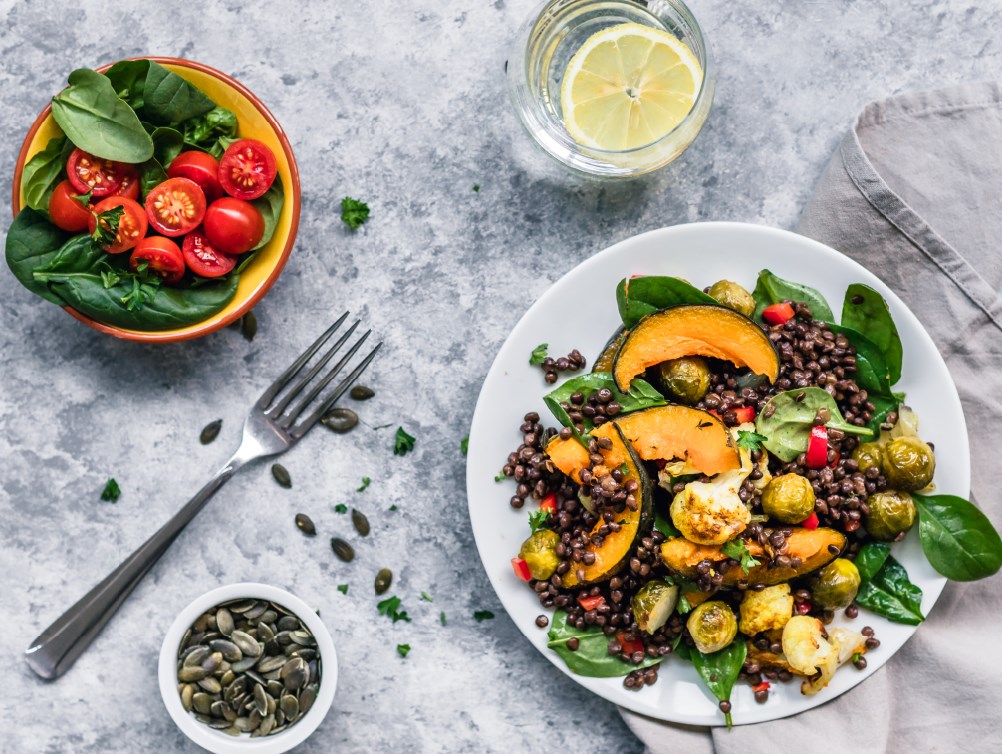
Quality protein sources in a vegan diet: various types of legumes, seitan, soy products and tofu, whole grains.
| Food | Amount | Protein Content (g) |
| Tempeh | 1 cup | 34 |
| Soybeans, cooked | 1 cup | 31 |
| Seitan | 100 g (3.5 oz) | 21 |
| Lentils, cooked | 1 cup | 18 |
| Black beans, cooked | 1 cup | 15 |
| Kidney beans, cooked | 1 cup | 15 |
| Chickpeas, cooked | 1 cup | 15 |
| Mung beans, cooked | 1 cup | 15 |
| White beans, cooked | 1 cup | 14 |
| Tofu | 100 g (3.5 oz) | 12 |
| Bagel | 1 medium unit (120 g (4.2 oz)) | 11 |
| Green peas, cooked | 1 cup | 9 |
| Quinoa, cooked | 1 cup | 8 |
| Natural peanut butter | 1 tbsp – 25g | 8 |
| Natural almonds | ¼ cup | 8 |
| Whole grain bread | 1 slice – 30g | 3.5 |
| Soy milk | 1 cup | 7 |
| Pasta, regular cooked | 1 cup | 7 |
| Natural almond butter | 1 tbsp – 25g | 7 |
| Soy yogurt, plain | 1 container – 200 g (7.1 oz) | 5 |
| Bulgur, cooked | 1 cup – 170 g (6.0 oz) | 6 |
| Sunflower seeds | ¼ cup | 6 |
| Natural cashews | ¼ cup | 5 |
| Spinach, cooked | 1 cup | 5 |
| Broccoli, cooked | 1 cup | 5 |
| Oats | ½ cup | 3 |
| Chia seeds | 1 tbsp – 12g | 2.5 |
| Vegan protein powder – VEGAN ALFA | 1 scoop – 30g | 26.4 |
| Soy-free vegan protein powder – RAW | 1 scoop=30g | 21 |
To summarize, protein is an essential and important macronutrient in the human diet.
Omnivores, vegetarians, and vegans can all reach an adequate intake of high-quality protein, according to global health organization recommendations and their physical-sporting goals.
It is recommended to consume protein from diverse food sources, as it is generally recommended to consume a varied diet that will provide all the essential nutrients for a person. Vegans should emphasize variety and protein consumption from quality sources to meet daily requirements, especially those who engage in physical activity and have specific goals (cutting, gaining mass).
Noam Bechar – Clinical Dietitian
Sources:
https://www.ncbi.nlm.nih.gov/pmc/articles/PMC1262767/#B1
https://jissn.biomedcentral.com/art…/10.1186/1550-2783-11-19
https://www.ncbi.nlm.nih.gov/pubmed/25028958
https://pubmed.ncbi.nlm.nih.gov/15930475/
https://jissn.biomedcentral.com/articles/…/s12970-017-0192-9
https://jissn.biomedcentral.com/articles/10.1186/s12970-017-0177-8#Sec17
https://www.ncbi.nlm.nih.gov/pmc/articles/PMC3905294/
6 Myths about vegan nutrition you didn't know