6 Myths About Veganism You Should Check Closely
Veganism is a lifestyle that advocates for a diet and the use of products derived solely from plants.
People choose this lifestyle for several reasons: ideological, moral, health, and ecological.
Since veganism is considered a restrictive diet—meaning entire food groups are not consumed at all—there are many myths surrounding it, such as:
- The healthiest diet in the world
- The unhealthiest diet in the world
- Does not allow for muscle mass gain
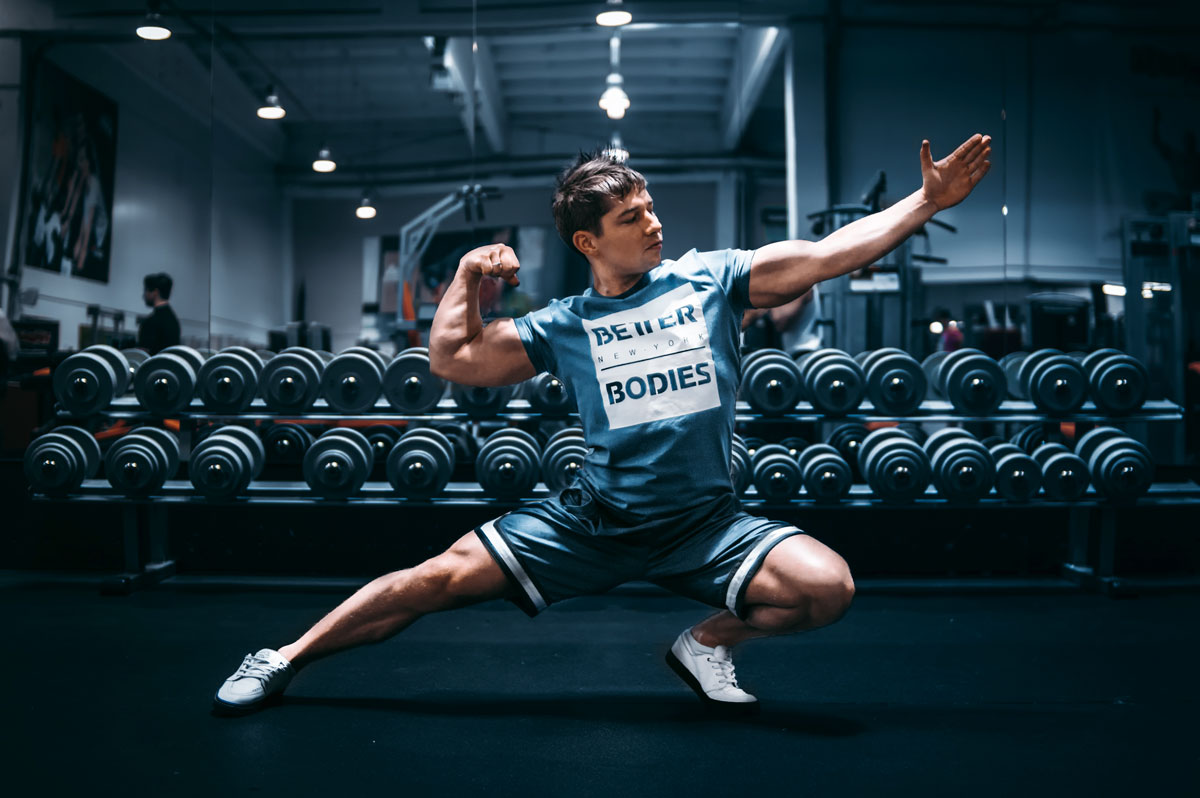
- Prevents athletic performance
- Makes you gain weight
- Makes you lose weight
So, let's clear up some of the confusion.
Vegans cannot be successful or strong athletes – True or False?
False
Many people fear that a vegan diet doesn't allow for maintaining a high level of training or achieving high-quality performance.
Contrary to this claim, there are many elite athletes worldwide proving that a balanced and varied vegan diet enables excellent performance at the highest global levels. For example:
Patrik Baboumian and Venus Williams (Tennis)
Nimai Delgado (Bodybuilding)
Kendrick Farris (Olympic Weightlifting)
Meagan Duhamel (Olympic Ice Skating)
Lewis Hamilton (Formula 1 Racing)
Kyrie Irving (NBA Player)
Scott Jurek (Ultra-marathoner)
Nate Diaz (Martial Arts)
Ariel Rosenfeld (Ultra-marathoner)
Gal Fridman (Windsurfing)
And the list goes on.
As can be inferred, if the diet is balanced, varied, and provides the athlete with all the essential and necessary nutrients, there is no reason why they couldn't improve performance and reach the highest levels.
The athletes mentioned above come from diverse fields and sports disciplines, each with its own physical and mental requirements. It cannot be concluded that a vegan diet contributes to a specific field or, conversely, does not contribute to another.
View this post on Instagram
Yes, they are vegan
A vegan diet is full of carbohydrates, so it's impossible to get "shredded" on this diet – True or False?
False
Carbohydrates are an essential food group through which the human body receives calories translated into cellular energy production, the building of nucleic acids (RNA, DNA), and tissue construction. It's important to remember that carbs are not bad for the human body; on the contrary – carbs are the most efficient and available fuel for the body.
In the process of "toning" or "cutting" (lowering body fat percentage), we focus on a negative caloric balance, meaning we expend more than we take in. To achieve this state, we must eat fewer calories than the body's requirements. When the body is in a caloric deficit, it uses its stores to provide the energy gap needed for daily functioning.
This state leads to a decrease in fat mass—otherwise known as getting "shredded." Through proper nutrition and a good training routine that leads to a caloric deficit, we can promote the toning process.
It doesn't matter if we are omnivores, vegetarians, vegans, or eat only junk food, and it doesn't matter if we only eat carbs during the day; as long as the total daily calories we consume are less than the total energy (calories) we expend, we will be in a caloric deficit and can reach our toning goals.
With the help of a certified clinical dietitian, you can build a menu based on a low-carb vegan diet if that is your preference.
View this post on Instagram
Shredded or not? Oh, and vegan.
In veganism, there are no high-quality protein sources – True or False?
False
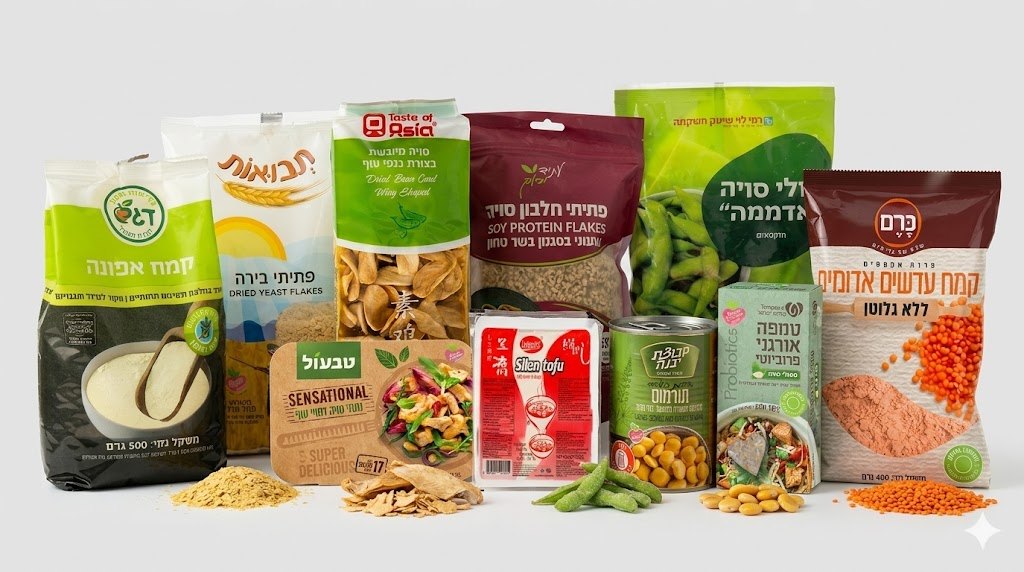
There are high-quality and excellent plant-based protein sources such as:
Legumes – lentils, beans
Soy products: tofu and tempeh
Seitan
Hemp
Nuts and almonds
Certain vegetables.
The claim that grains and legumes must be combined in the same meal to get a complete protein is incorrect. It's true that legumes are slightly low in methionine and grains are slightly low in lysine, so both groups should be consumed to get enough amino acids. However, to get all the essential amino acids—which the body gets from diet alone (unlike non-essential amino acids which the body can produce)—it is sufficient to eat grains and legumes throughout the day (not necessarily at the same meal) because our body knows how to synthesize the amino acids into a complete protein.
It is unhealthy to consume large amounts of soy because of hormones – True or False?
False
The claim that soy contains an enormous amount of estrogen is incorrect.
Soybeans contain isoflavone phytochemicals, also called phytoestrogens, which are similar in structure to the hormone estrogen but their activity at the cellular level is different.
Isoflavones have a very weak affinity for the estrogen receptor, and their ability to activate these receptors is significantly lower than that of estrogen.
The position paper published by the Ministry of Health in 2017 stated that after reviewing studies, it appears that "soy consumption is safe at all stages of life including: infancy, childhood, and adolescence, among both men and women."
Soy products have health benefits as they are high in quality protein, dietary fiber, iron, calcium, zinc, magnesium, potassium, and B vitamins.
It is important to note that a varied diet is important regardless of the type of food. Soy is just one of a large variety of legumes, and the Ministry of Health recommends diversifying between the different types (chickpeas, lentils, beans) and preferring food in its natural state or after minimal processing. In the case of soy, it is preferable to consume: tofu, edamame, unsweetened soy drink, dry soybeans, and tempeh.
View this post on Instagram
No, he didn't grow breasts.
You cannot get Vitamin B12 from a vegan diet – True or False?
True
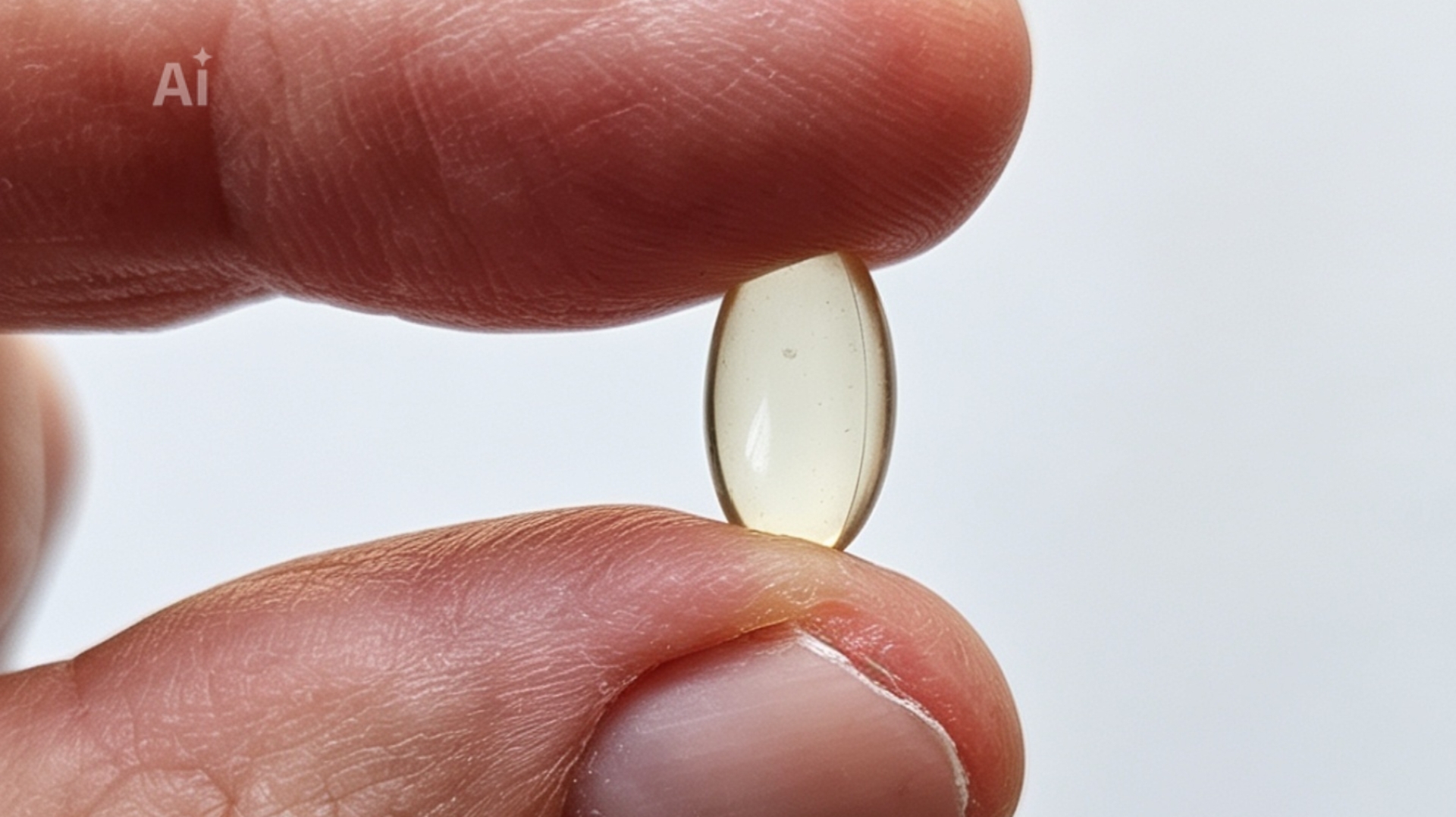
Every vegan should take a Vitamin B12 supplement.
Vitamin B12 is produced by bacteria found in the soil and in the small intestine of living beings.
Herbivorous animals get the vitamin naturally because they eat low-lying plants growing in the ground that are very rich in the vitamin (the plants absorb the vitamin from bacteria present in the soil). Omnivores and vegetarians, who consume animal products, get Vitamin B12, usually in sufficient amounts.
Vegans cannot get enough Vitamin B12 even when eating foods grown in the ground because the absorption of the vitamin is complex and not always efficient.
The solution is to take a regular supplement, which usually comes as a sublingual lozenge (available over-the-counter at pharmacies).
A deficiency in the vitamin is dangerous and can lead to anemia, neurological symptoms, vascular and heart disease, miscarriages, and birth defects (during pregnancy/birth).
It is recommended to monitor the vitamin stores in the body through routine blood tests.
Being vegan is expensive – True or False?
False
A vegan diet is based on plant-based food: vegetables, fruits, grains, almonds, nuts, seeds, and legumes, which are considered staple and cheap foods worldwide.
The main difference lies in processed foods like: tofu, seitan, hemp, and tempeh. True, some of these foods are expensive. But if we compare the price between 100g of legumes or tofu to salmon, chicken, or meat of any kind, we will see that the prices are not much higher.
Many people tend to get confused and think organic = vegan. Organic food is indeed significantly more expensive than regular food without real justification, but it does not have to be vegan, and vice versa: not all vegan food is organic.
View this post on Instagram
In conclusion, there are dozens of myths surrounding the vegan diet, most of them false and passed along through word of mouth without a scientific basis.
A varied, rich, and balanced vegan diet (while ensuring B12 supplementation) is healthy, allows for engaging in any sport, and reaching impressive goals and performances.
Noam Bachar – Clinical Dietitian