If you're an athlete training hard on a plant-based diet, your body's needs are entirely different from those of average vegans. The intense training load, sweat, and constant need for muscle repair and building deplete your vitamin and mineral stores at a much faster rate. To ensure your body isn't just surviving but working like a well-oiled machine on the way to results, there are a few "bench players" you simply must get to know.
Golden rule before we begin: Vitamin B12 and Vitamin D3 are the only two supplements that almost every vegan athlete must take regularly, regardless of anything else. Regarding everything else (Zinc, Magnesium, Iron, and Omega-3) – it is always better to perform periodic blood tests to understand your exact status rather than taking them aimlessly.
Without overcomplicating things with lab jargon – here is the quick guide to your essential supplements, along with a glimpse into how they work inside your body:
1. Vitamin B12 – The Chief Foreman
Why do you need it? It is responsible for your energy, focus, and the proper functioning of the nervous system. It simply does not exist in a reliable form in plants.
The physiological angle: Inside the body, Vitamin B12 serves as a critical component in building the myelin sheath – the protective layer that insulates our nerve fibers. This sheath allows electrical signals from the brain to "fly" quickly and accurately to the muscles to recruit them for effort. Additionally, it directly participates in the creation of red blood cells, so without it, general oxygen delivery to the body is impaired.
How to get it? Fortified nutritional yeast or fortified soy milk give a nice push, but the only safe way for athletes is a small supplement (sublingual tablet). Mandatory for every vegan, without exception.
2. Vitamin D3 – The Power's Electric Charge
Why do you need it? We think of it as a vitamin, but it acts in the body like a hormone directly linked to muscle strength (especially in the legs) and bone health. Since most of us spend the day indoors, most of us have a deficiency.
The physiological angle: Vitamin D3 binds to special receptors located right on muscle and bone cells. Once it binds to them, it signals the cell to increase the absorption of Calcium and Phosphorus – the minerals responsible for skeletal strength, and more importantly: for the process of muscle fiber contraction and relaxation during explosive power production.
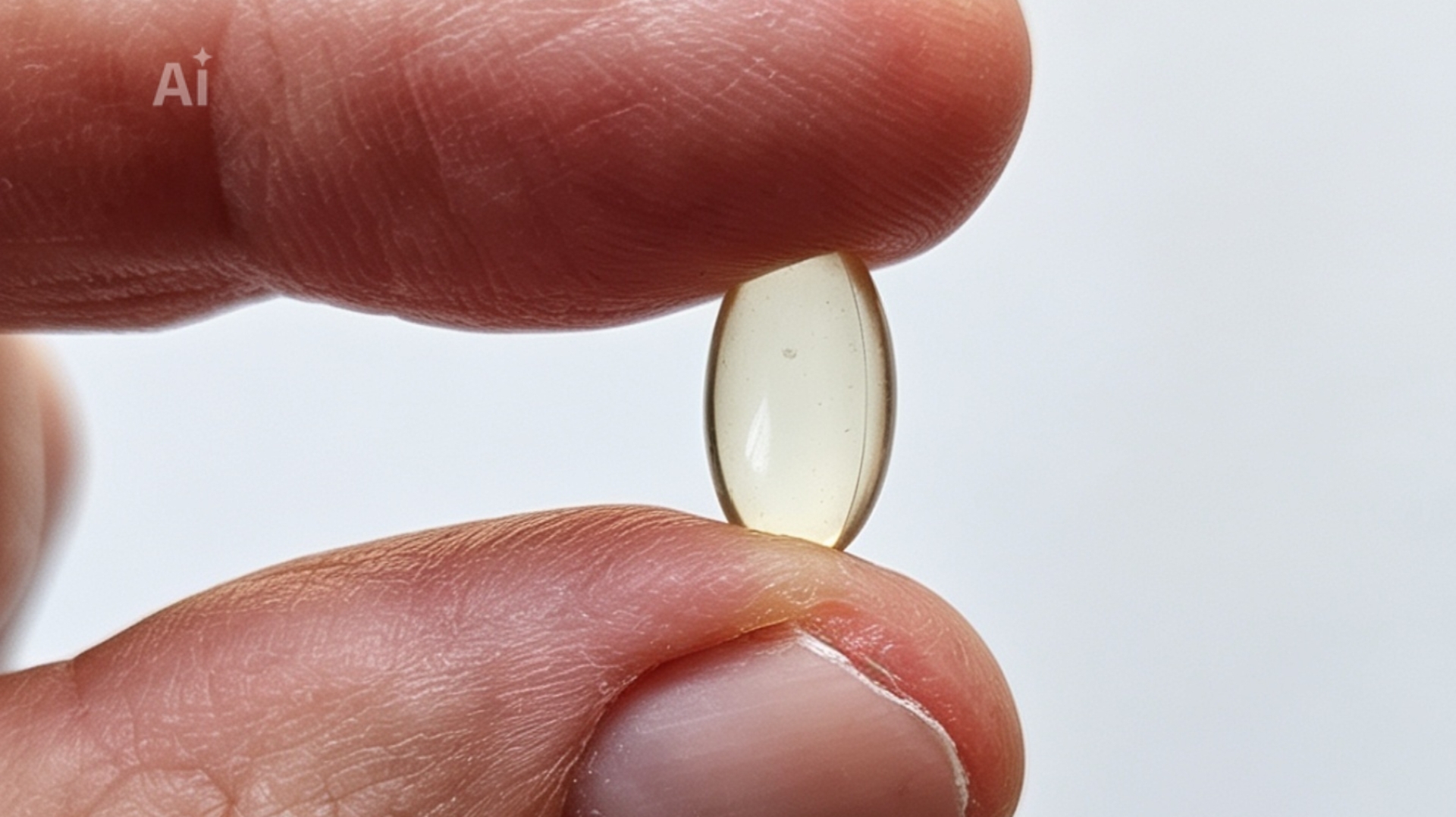
The vegan emphasis: Most D3 supplements are derived from sheep's wool (lanolin). Look for a D3 supplement labeled as derived from Lichen – it is the perfect and most absorbable plant source.
3. Omega-3 (from Algae Oil) – The Muscle Fire Extinguisher
Why do you need it? Intense training creates stress and natural "inflammation" in the muscle. Omega-3 is nature's official anti-inflammatory – it helps muscles recover faster after a grueling workout and protects them.
The physiological angle: Active fatty acids (EPA and DHA) penetrate directly into the body's cell membranes and become part of their structure. From there, they block the chain of chemical reactions that create chronic inflammation in the muscle. Simultaneously, they make the muscle cell wall more flexible and sensitive to amino acid uptake, which accelerates the rate of protein resynthesis.
The vegan emphasis: Chia, flax, and hemp seeds are great, but the body struggles to produce the specific, active type of Omega that muscles need from them. The solution? A small algae oil supplement that skips the conversion process and gives the body exactly what it needs.
4. Iron – Your Oxygen Locomotive
Why do you need it? Iron is what transports oxygen from the lungs straight into your working muscles during a set. If you lack iron, you will feel extreme fatigue and "suffocate" very quickly during training.
The physiological angle: Iron forms the heart of the structure of Hemoglobin (found in red blood cells) and Myoglobin (found inside the muscle itself). These two proteins function like "magnets" that catch the oxygen you breathe and bring it directly to the cell's power stations (mitochondria) to produce energy available for movement.
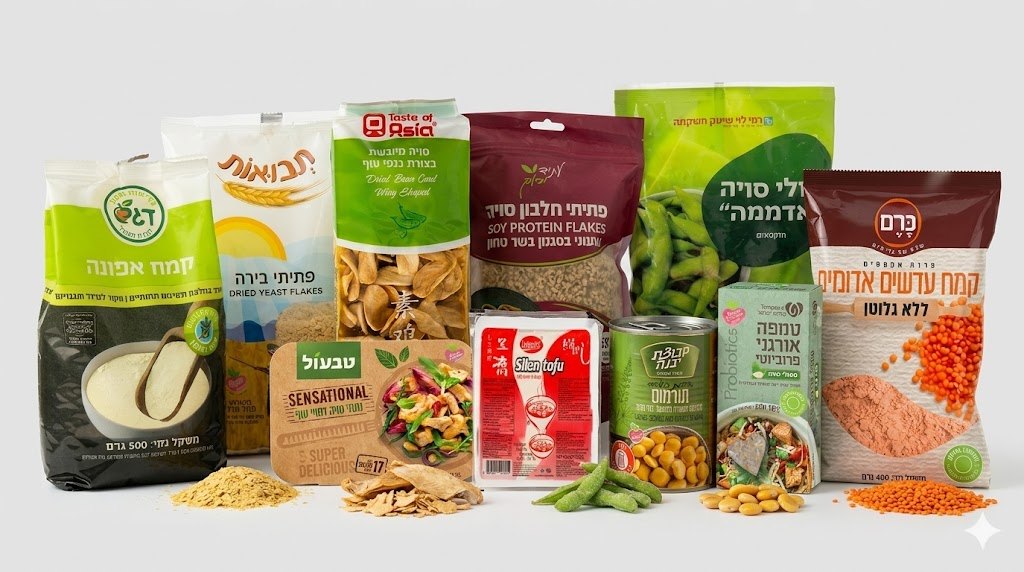
A tip worth gold: Plant-based iron (found in lentils, tofu, and tahini) is absorbed less efficiently on its own. Squeeze a lemon or eat a tomato (Vitamin C) with your meal – it improves absorption dramatically!
5. Magnesium – The National Relaxant
Why do you need it? Suffering from sore muscles, leg cramps in the middle of the night, or restless sleep? Magnesium is the mineral responsible for muscle relaxation and the nervous system. It helps the body "shift down a gear" and enter a state of deep recovery.
The physiological angle: During muscle contraction, the body uses Calcium to "lock" the muscle fibers together. Magnesium acts as its physiological counterpart – it competes with calcium for the same binding sites, pushing it out and allowing the muscle fibers to release and relax. It is also essential for calming the central nervous system by regulating neurotransmitters that reduce stress.
How to get it? It is abundant in nuts, seeds, and dark chocolate, but athletes who sweat a lot lose it quickly and will benefit greatly from a small pill before bed.
6. Zinc – The Hormonal Gatekeeper
Why do you need it? Zinc is your hormonal system's best friend. It is critical for the production of hormones that promote muscle building, maintaining a healthy metabolism, and supporting the immune system.
The physiological angle: Zinc serves as a mandatory structural component in more than 300 different enzymes in the body, including those responsible for DNA replication and building new proteins in the muscle. On a hormonal level, it directly participates in the production of Testosterone in the testes and protects it from enzymes that try to break it down or convert it into female hormones (Estrogen) in stressful situations.
How to get it? Pumpkin seeds (a must-have snack!), chickpeas, cashews, and legumes.
📸 Save for Later: Your Quick Guide Table
Take a screenshot and keep it on your phone so it's always accessible in front of the supplement shelf:
| Supplement | Recommended Daily Dosage for Athletes | When and How to Take? | Mandatory or Based on Blood Test? |
|---|---|---|---|
| Vitamin B12 | 50–250 mcg daily (or 2,000 mcg weekly) | On an empty stomach (preferably sublingual lozenge) | Mandatory for everyone regularly. |
| Vitamin D3 | 1,000–2,000 IU | With the fattiest meal of the day (for maximum absorption) | Mandatory for most of us (ensure Lichen source). |
| Omega-3 (Algae) | 1,000–2,000 mg (combined EPA/DHA) | With food | Highly recommended (especially during intense training periods). |
| Magnesium | 200–400 mg (preferably Citrate or Glycinate) | In the evening, away from meals/before sleep | Recommended for those suffering from muscle cramps or sleep issues. |
| Zinc | 15–30 mg | With food (can cause nausea on an empty stomach) | Based on blood test or extreme training load. |
| Iron | Based on deficiency (usually 8–18 mg for maintenance) | On an empty stomach, with Vitamin C (not near coffee/tea) | Based on blood test only! Never take excess iron unnecessarily. |
The Bottom Line
If you think of proteins and carbohydrates as the "bricks" of the building, these micronutrients are the workers and foremen. They ensure at the deepest physiological level that everything connects properly, that your recovery is fast, and that the effort you put into the gym is truly reflected in your body. Eat colorfully, train smart, and give your body the little backup it needs!