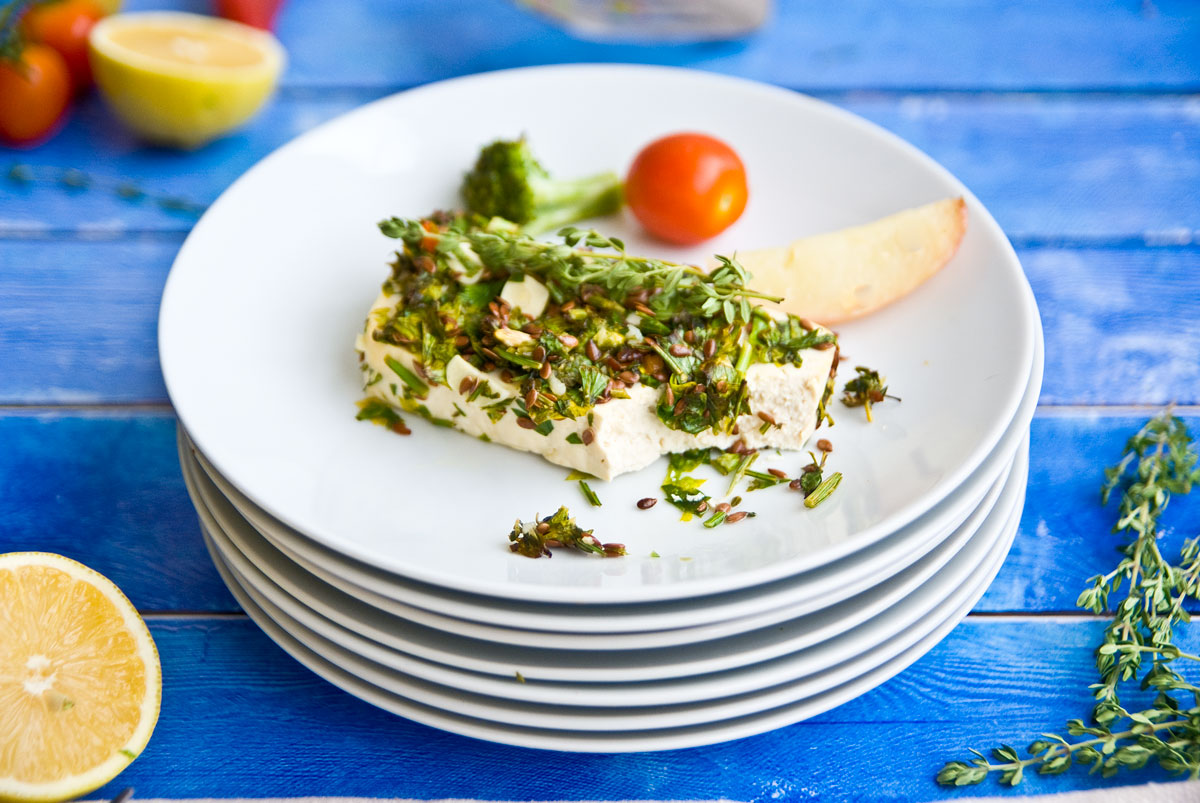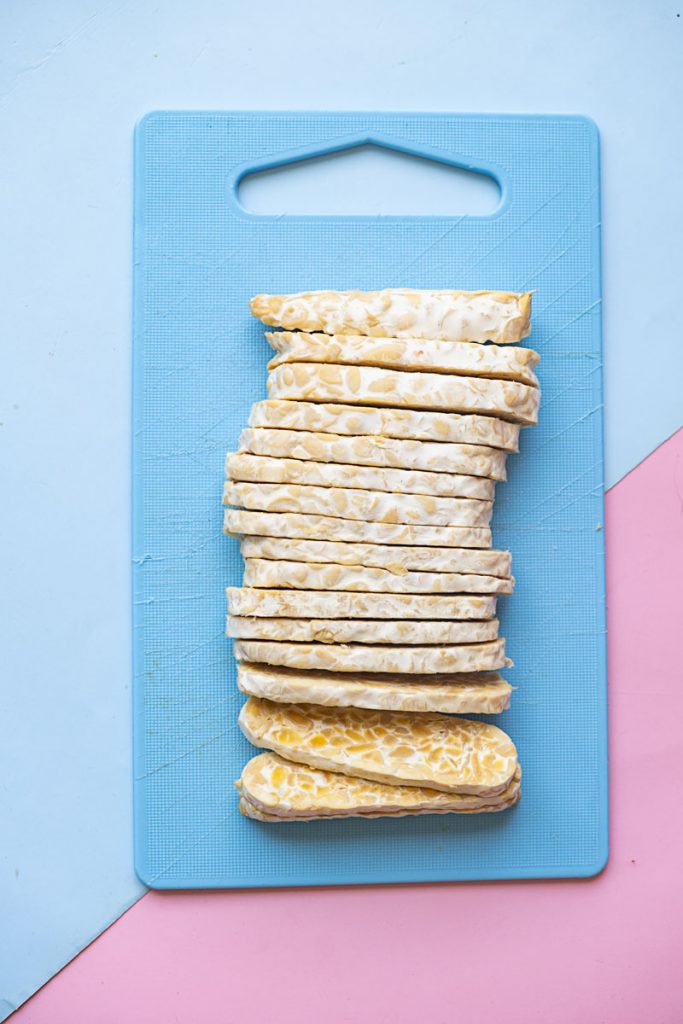
Quick answer: tempeh wins on protein (about 20 g per 100 g (3.5 oz)), fiber, and mineral absorption; tofu wins on calories, calcium, and versatility. For muscle gain, tempeh has a slight edge. For weight loss, tofu is easier to fit into a calorie budget. The smartest move is to rotate both — here is the science behind why.
If you eat a plant-based diet, tofu and tempeh are probably regulars in your kitchen. Both are made from soybeans, both are excellent protein sources, and both feed millions of people worldwide. But under the surface they are two completely different foods – from their history, through how they are made, all the way to how your body breaks them down and absorbs them.
This guide digs into the science behind tempeh vs tofu in plain language, so you finally know the difference and how to get the most out of each one.
1. History and chemistry: how they are made
Tofu – the "cheese" of Asia
Tofu was developed in ancient China, and the process is a lot like curdling cheese. Soybeans are ground with water into soy milk, and the fiber (called okara) is strained out. A coagulant is then added to the hot milk – usually calcium-based salts such as calcium sulfate, or magnesium salts (nigari).
The heat changes the three-dimensional structure of the proteins, and the coagulant binds them into curds. The curds are pressed into blocks, which gives tofu its familiar texture.
Tempeh – the magic of fermentation
Tempeh comes from Indonesia and takes a completely different approach: it uses the whole soybean, dehulled and cooked. The beans are fermented with a specific mold, Rhizopus oligosporus, which grows white mycelium that wraps around the beans and binds them into a firm, even cake.
But the mold does far more than glue beans together – it releases enzymes that start digesting the bean from the inside and completely change its nutritional profile.
2. Head to head: nutrition comparison
Here are the average nutrition values per 100 g (3.5 oz):
| Nutrient (per 100 g (3.5 oz)) | Firm tofu | Tempeh (cooked) |
|---|---|---|
| Calories | about 144 kcal | 195 kcal |
| Protein | about 15 g | 19.9 g |
| Carbohydrates | about 3 g | 7.6 g |
| Fat (mostly unsaturated) | about 8 g | 11.4 g |
| Dietary fiber | under 2 g (fiber is strained out) | high – contains the whole bean |
| Water content | about 70–75% | 59.6% |
The volume vs weight paradox
Weigh 100 g (3.5 oz) of tempeh against 100 g (3.5 oz) of tofu and the tempeh is denser, with more calories and more protein – simply because it holds less water.
But most of us do not weigh food; we measure by volume (filling a cup with cubes, for example). Because tempeh has an airier structure, half a cup of tempeh weighs less than half a cup of firm tofu – so paradoxically, at the same serving volume, tofu can deliver more calories.
3. Tempeh's hidden advantages: vitamins and minerals
The real difference between tofu and tempeh is not only how much protein they contain, but its bioavailability – how much your body actually absorbs.
Mineral absorption and phytic acid breakdown
Plants, soybeans included, contain phytic acid. In the digestive tract it acts like a magnet (a chelator) that binds important minerals such as iron, zinc, calcium and magnesium, and keeps your body from absorbing them.
This is where the fermentation mold comes in: during fermentation it releases enzymes that break phytic acid down. As a result, minerals such as iron (2.1 mg per 100 g (3.5 oz) of tempeh) and zinc are freed up, and absorption rises sharply.
Tofu does not go through that process – but when it is set with calcium salts it delivers so much calcium that it compensates for the absorption barrier.
The vitamin B12 twist
One of the more fascinating findings in nutrition: some tempeh contains vitamin B12 – a vitamin that barely exists in the plant world.
How? The mold itself does not produce B12. It is produced by "hitchhiking" bacteria living in symbiosis with the mold (such as Klebsiella pneumoniae and Citrobacter freundii). Baker's yeast (S. cerevisiae) involved in the process also boosts production in traditional tempeh.
An important caveat: in highly sterile Western industrial production those bacteria may not be present at all – so Western tempeh is not a reliable B12 source unless it is fortified.
4. Protein, digestion and phytoestrogens
Protein quality (DIAAS / PDCAAS)
Both foods provide complete protein with all the essential amino acids. Tofu is very easy to digest because the tough bean hull is removed during production, so absorption is excellent.
In tempeh the bean stays whole – but the mold "pre-digests" the proteins and cuts them into small peptides that are easily absorbed. The unique peptides created in tempeh are also linked to lower blood pressure and have antioxidant and anti-inflammatory properties.
Isoflavones – powerful antioxidants
Soy is famous for phytoestrogens called isoflavones. Research suggests they may support cancer prevention, ease menopause symptoms and benefit heart health.
In tofu and plain soy these compounds are bound to a sugar molecule (the glycoside form), which is slightly harder to absorb. The tempeh mold cuts that sugar off during fermentation and releases free, active forms called aglycones (such as genistein and daidzein). The upshot: your body absorbs the antioxidants in tempeh far faster and more efficiently than those in tofu or soy milk.
5. The big question: does cooking ruin tempeh?
Many people hesitate to cook or fry tempeh, assuming the heat kills the good bacteria and destroys the health benefits.
The scientific answer: heat does kill the live cultures, but it certainly does not "ruin" tempeh. The big benefits already happened during fermentation: the protein was broken down, phytic acid was neutralized and the vitamins were created. On top of that, even after the bacteria die they leave behind prebiotic fiber (food for your gut bacteria) and postbiotic compounds that keep working for you after baking, roasting or frying.
Pro tip: the science-backed way to cook tempeh
Want a big upgrade in flavor and texture? Steaming tempeh for 10–15 minutes before cooking or before marinating is a proven method. Steaming does two things:
- Removes bitterness – the heat deactivates an enzyme called LOX (lipoxygenase), responsible for the bitter, "beany" off-flavors tempeh sometimes has.
- Improves absorption – the heat expands the starches and increases porosity inside the block by up to about 32%. The marinade then soaks deep inside instead of sitting on the surface.
Put the numbers to work
Find your daily target with the protein intake calculator, build a balanced plate around tofu or tempeh with the Plate Builder, or pick a ready weekly menu from the high-protein vegan meal plans.
Summary: which one should you choose?
The science is clear – tofu and tempeh are not substitutes for each other, but two superfoods in their own right.
Choose tofu if:
- You are aiming for weight loss or leaning out – it is lower in calories and carbs.
- You need a delicate texture that soaks up flavor easily.
- You want a very calcium-rich dish (calcium-set tofu).
Choose tempeh if:
- You want a dense protein source for building muscle.
- Maximum iron and zinc absorption matters to you.
- You want antioxidants (phytoestrogens) in their most active, available form.
- You care about supporting your gut microbiome.
The winning strategy? Simply rotate both through your weekly menu and enjoy the best of both worlds.
How to cook each one
Tempeh: cut into thin slices, steam for 10 minutes – this softens the natural bitterness – then roast or pan-fry with soy sauce, maple syrup and garlic.
Tofu: press well in a kitchen towel for 15 minutes, cut into cubes, toss with a little cornstarch and roast at 200°C (390°F) for 25 minutes.
Tempeh recipes from the site
Want to put this to work in the kitchen? Here are three tempeh recipes already on the site:
- Tempeh and basil meatballs – with a short how-to video.
- How to make tasty tempeh – a guide to making and seasoning it at home.
- Vegan fish from tempeh – a high-protein version with a taste of the sea.
Frequently asked questions
Is tempeh or tofu better for building muscle?
Both work. Tempeh packs more protein per serving and keeps you fuller; tofu makes it easier to hit high protein targets on fewer calories. What matters most is total daily protein — the International Society of Sports Nutrition recommends roughly 1.6-2.2 g per kg of body weight for people who strength train.
These are the questions I get most in messages and comments:
Is tempeh healthier than tofu?
Tempeh wins on protein, fiber and the bioavailability of minerals and antioxidants, thanks to fermentation. Tofu wins on lower calories, calcium and kitchen versatility. Both are healthy as part of a balanced diet.
Which one has more protein?
Tempeh has about 20 g of protein per 100 g (3.5 oz), compared with about 15 g in firm tofu.
Does cooking tempeh cancel out its benefits?
No. Heat kills the live bacteria, but the protein breakdown, phytic acid neutralization and vitamin production already happened during fermentation, and the prebiotic fiber stays.
Is tempeh a reliable source of vitamin B12?
Only traditional tempeh with accompanying bacteria may contain B12. Sterile Western production usually does not, so do not rely on it as your only source unless it is fortified.
Which is better for weight loss?
Tofu has fewer calories, but tempeh is more filling thanks to its fiber and protein. Both work well in a weight-loss menu.