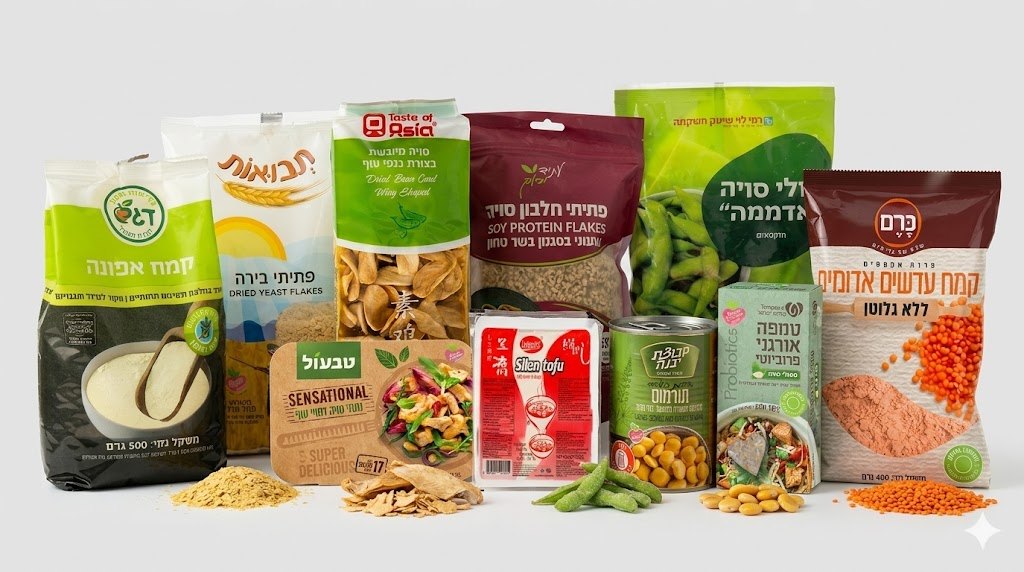
The biggest challenge when cutting on a vegan diet? Getting plenty of protein without piling on calories. To maximize muscle protein synthesis and preserve muscle in a calorie deficit, we need to focus on protein density (the protein-to-calorie ratio) and amino acid quality. So which foods deserve a spot in your cart—and why?
🔬 The Basics of a Vegan Cut
Daily target: 1.8–2.2 grams of protein per kilogram of body weight (about 0.8–1 gram per pound).
Leucine threshold: Aim for 2.5–3 grams of leucine at each meal to activate the muscle-building signaling pathway known as mTOR.
Calories from protein: Prioritize sources that get at least 50% of their calories from protein.
🛒 Your Supermarket Protein All-Stars (Per 100 g (3.5 oz), or 3.5 Ounces, Before Cooking)
The Heavy Hitters: Maximum Protein Density
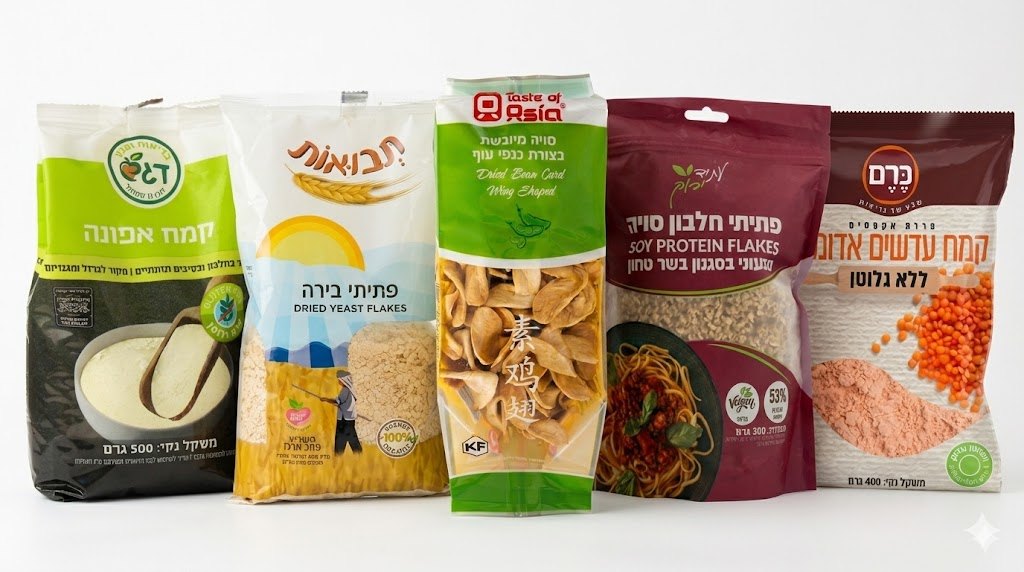
Dried soy crumbles: 58 grams of protein | The most concentrated, budget-friendly option.
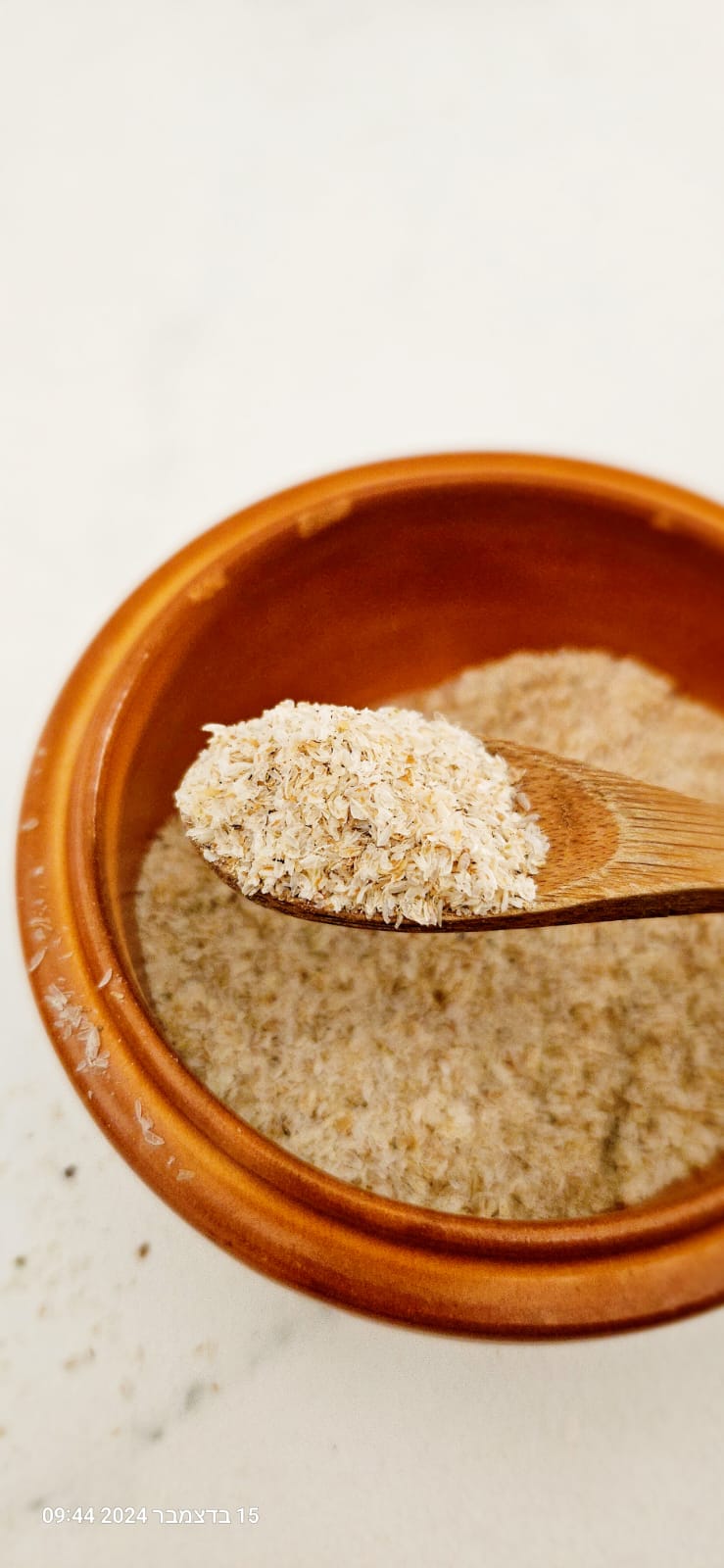
Nutritional yeast: 50 grams of protein | Rich in B vitamins, with plenty of savory umami flavor.
Yuba (soy milk skin): 41 grams of protein | A meaty texture packed with protein.
Lentil or pea flour: 22–24 grams of protein | A great starting point for baking with a protein boost.
Complete Proteins and Fermented Options: Simple Ingredients
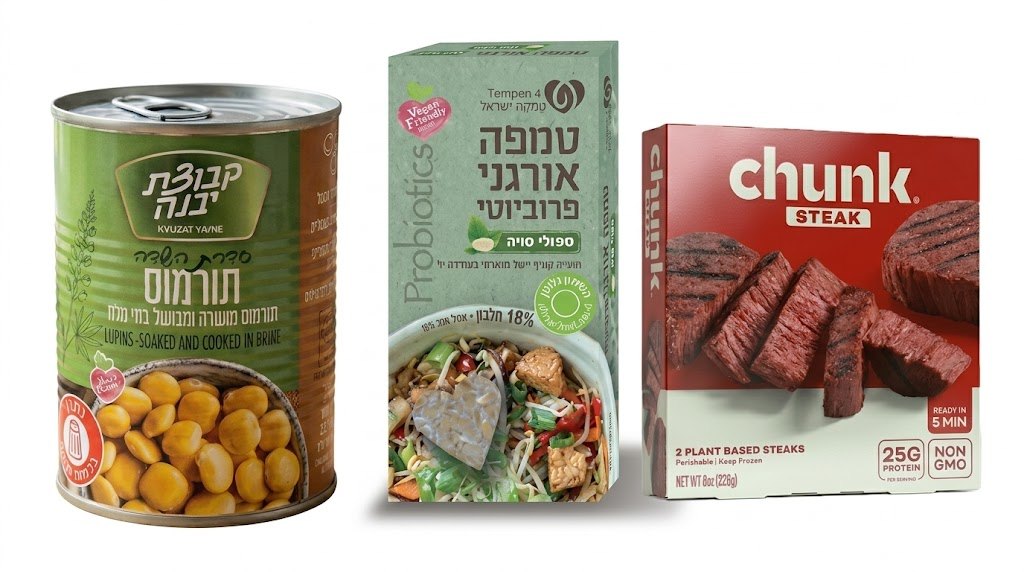
Chunk (a plant-based meat brand): 22 grams of protein | Made using fermentation and low in carbs.
Tempeh: 19 grams of protein | Highly bioavailable protein, plus fiber.
Lupini beans: 13 grams of protein | The legume with the best protein-to-carb ratio.
Quick and Convenient Options
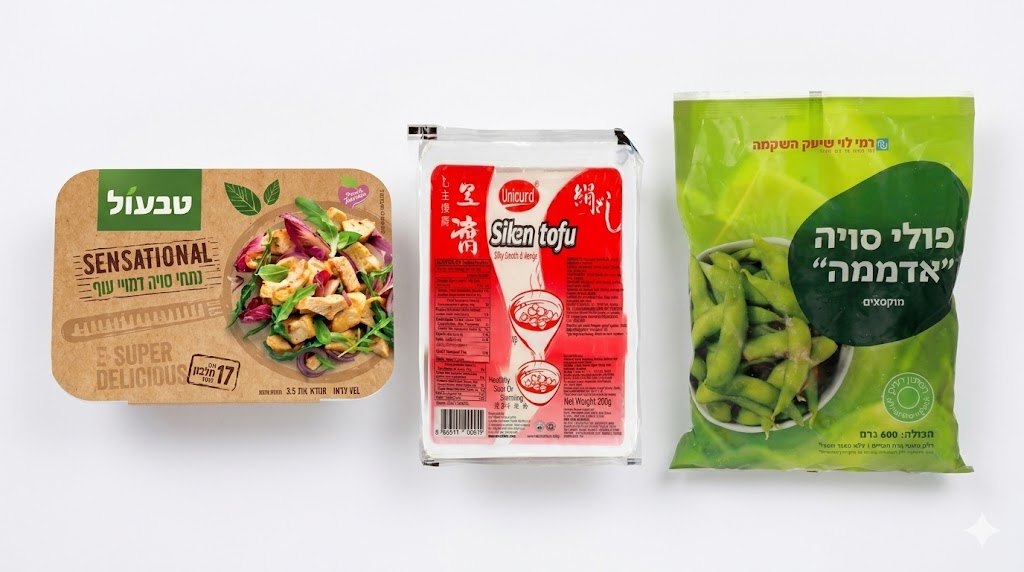
Plant-based chicken breast from Tivall (an Israeli plant-based food brand): 21 grams of protein | A quick option with a short ingredient list.
Edamame: 11 grams of protein | An ideal snack with plenty of protein and fiber.
Silken tofu: 6 grams of protein | A low-calorie base for spreads and protein-rich desserts.
🥤 Protein Powders
Protein isolates are a key tool during a cut: they help you get more protein without extra carbs tagging along.
Soy isolate: A complete amino acid profile that's the closest match to whey protein. Ideal for reaching your leucine threshold.
Pea isolate: Rich in branched-chain amino acids (BCAAs) and arginine. Helps keep you feeling full longer.
Clear Vegan (hydrolyzed protein): A clear, fast-absorbing protein. Just 55 calories delivers 10 grams of protein. A great option around your workout.
See all my recommended protein powders
💡 Making Your Vegan Cut Work
Focus on products with short ingredient lists, spread your protein intake across 3 to 5 servings a day, and use protein isolates to help fill the gaps. Put the science to work when you stock your fridge—that's how smart food choices turn into results.