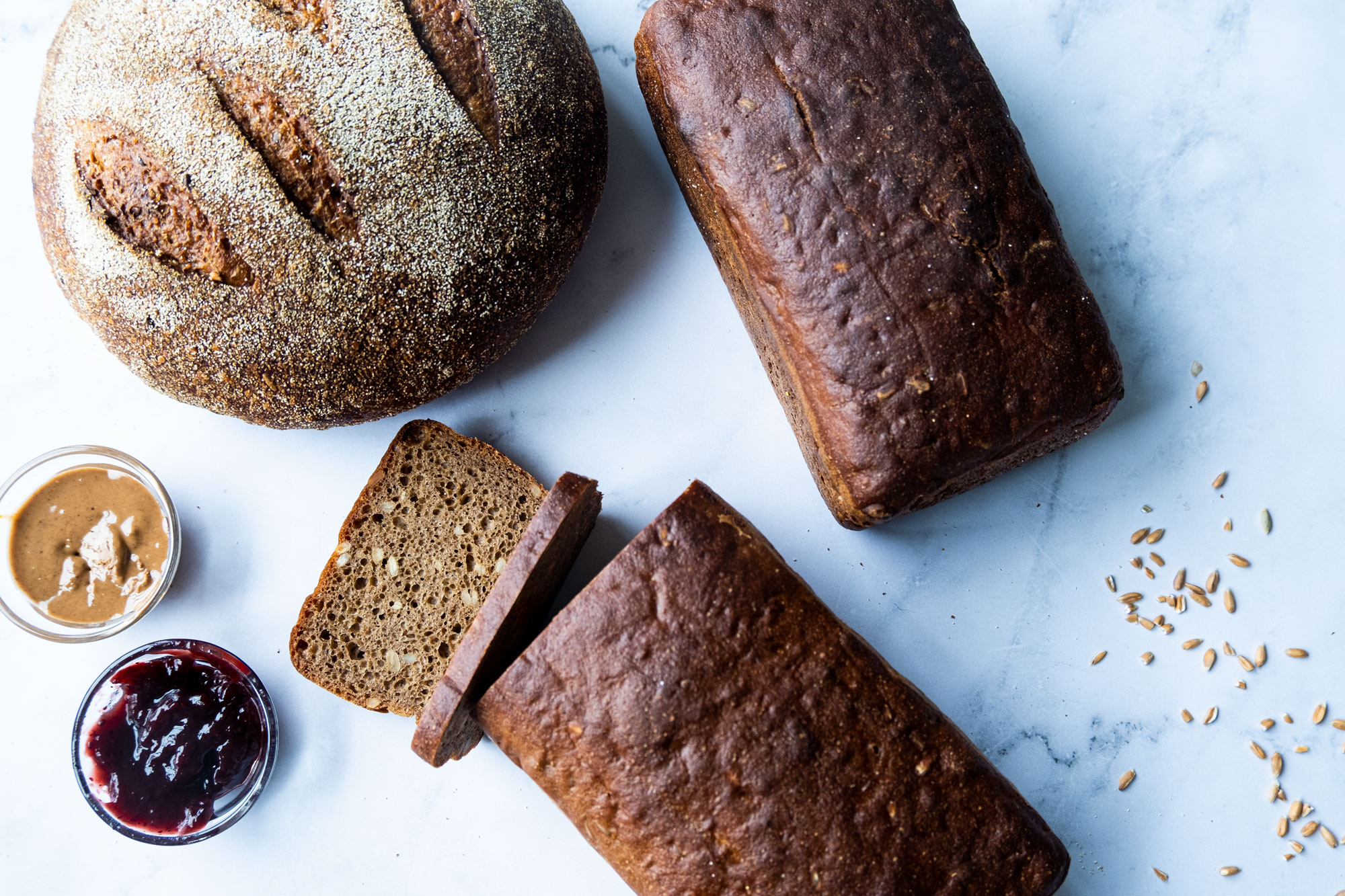
Health in the Rye Field - All the reasons why rye flour is nothing short of wonderful
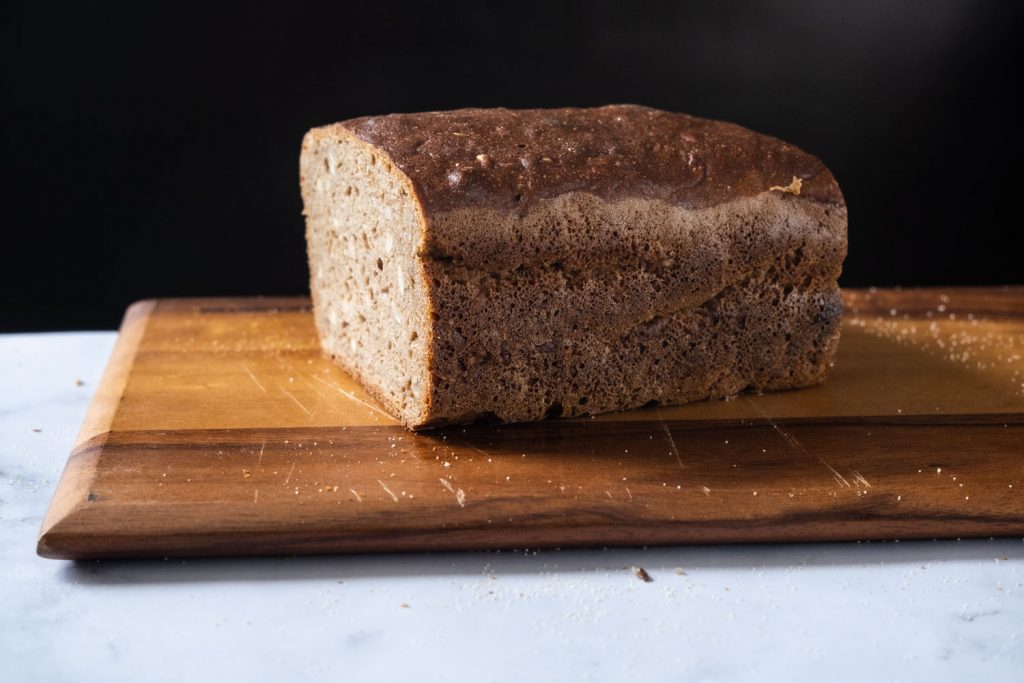
Tell me, where did the rye go?
Is it just me, or is everyone into spelt these days?
Yes, we know the many health benefits of spelt, but hey—did we forget someone?
Ever since Salinger wrote about the Catcher, we haven't heard much about the rye.
It’s a good thing you’re here, because I suspect that after you finish reading this post, you’ll be heading to the nearest bakery to grab some whole rye bread.
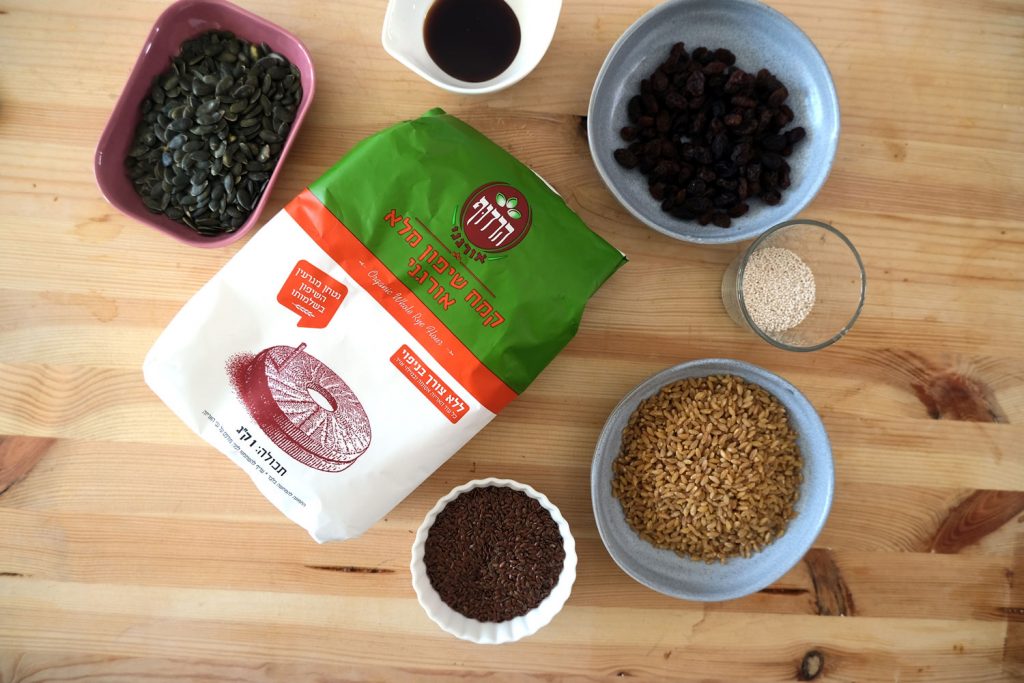
But before I tell you why rye is your friend and why you should welcome it into your kitchen, here are some fun facts about rye you might not have known (maybe you did, but read them anyway because I worked hard on this):
- 1: It is very popular in Russia
Russia is the largest producer and consumer of rye (for over 150 years), primarily for baking heavy, dense rye breads.
Canada, by the way, comes in second, mainly for Canadian whisky production.
- 2: Rye was once called the "grain of poverty"
Rye is not a "fussy" grain (unlike wheat) and manages to grow in poor, barren, and especially cold soils.
That’s why throughout human history, it was grown mainly by poorer populations.
- 3: Rye flour has less gluten than wheat or spelt
Totally true. Rye flour contains around 8% protein (which is gluten). Wheat or spelt contain between 10-15%.
- 4. Rye crops are great for the environment
Rye grows excellently in winter (even in Northern Europe) and is used as a cover crop for soil and vegetable crops, significantly extending the harvest months.
Because it has deep roots, rye can capture nutrients, improve soil health, prevent erosion, and reduce weeds without the use of pesticides.
5. Rye can cause hallucinations
Just kidding, not rye itself, but a fungus that grows on rye called Ergot.
High consumption of the fungus causes ergotism, which manifests, among other things, in hallucinations.
In the late 1930s in Switzerland, attempts were made to create medical uses for the alkaloids in the fungus (for migraines and easing labor pains). Dr. Albert Hofmann succeeded in isolating the molecules and producing what is known as Lysergic acid diethylamide (L.S.D). Five years later, he tried the acid on himself (by mistake) and rode his bike into the sunset.
Interesting, right?

What are the health benefits of rye flour?
Rye flour is exceptionally rich in dietary fiber (18g of fiber – compared to 15g in whole wheat flour).
This gives it a particularly low glycemic index, which helps with satiety and balancing blood sugar levels over time.
Feel extra full after a rye bread sandwich? This is why.
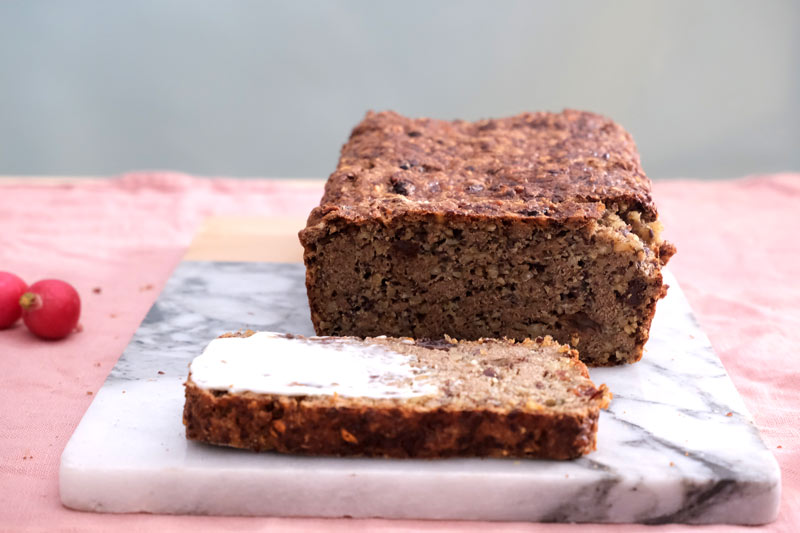
An advantage of rye is its high vitamin content compared to wheat or spelt, such as Vitamin E (an important antioxidant that neutralizes free radicals), Vitamin K, B5, and more.
I must also mention another distinct advantage: its high mineral content, including calcium, iron, magnesium, phosphorus, manganese, and lignans. Manganese participates in enzymatic processes in glucose metabolism and antioxidant processes.
It is also rich in the amino acid tryptophan, which the brain converts into serotonin, needed for good mood, calm, and satiety.
I love heavy, dense rye breads because they keep beautifully for several days after baking and are perfect for small sandwiches or breakfast.
Want a recipe for whole rye bread? Click here
Post written in collaboration with Harduf.