Is Seitan Healthy?
\nSeitan is a food made from gluten, the main protein in wheat.
\nGluten itself is composed of two proteins: gliadin and glutenin.
\nIt is prepared by washing wheat dough with water until all the wheat starch is rinsed away, leaving an elastic mass of gluten that is cooked before being eaten.
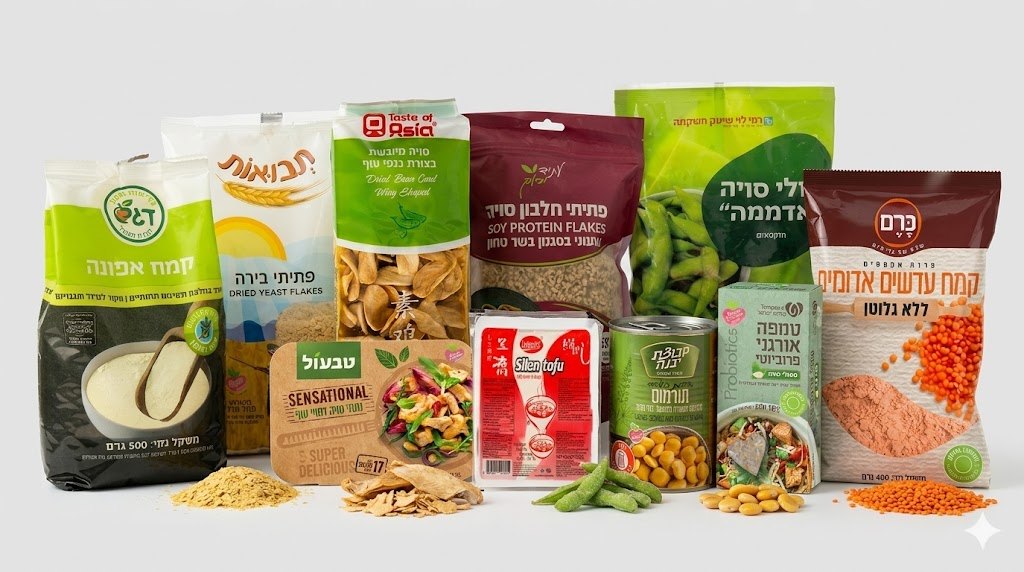
\nSeitan is an alternative to soy and foods like tofu, which are often used as meat substitutes.
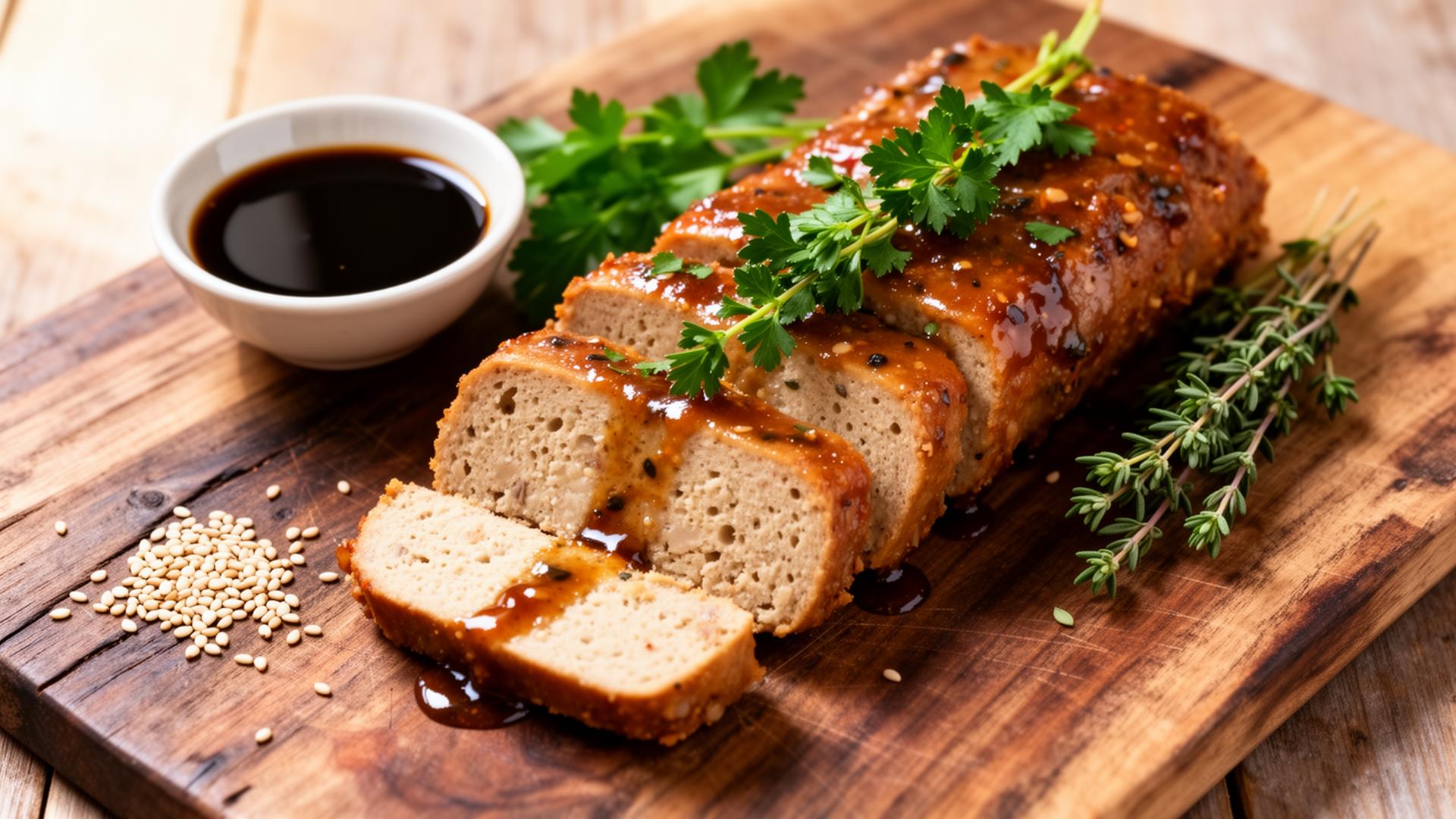
\nSome types of seitan are soft and flexible, resembling the texture of beef or chicken, and are also used as meat substitutes, primarily in Asia among vegans, vegetarians, and Buddhists.
\n
Where did seitan come from?
\nSeitan was invented by vegan Chinese Buddhist monks in the 6th century AD as a meat substitute. Since then, it has gained great popularity in the cuisines of China, Japan, and other East Asian countries.
\nThe word seitan is Japanese in origin and was coined by the founder of the macrobiotic diet, George Ohsawa, in the early 1960s. From there, it was imported to the West and became popular among hippies and vegetarians in the US during those years.
\n\n
Is seitan nutritious?
\nSeitan consists almost exclusively of gluten protein and is highly nutritious due to its high protein content and low levels of carbohydrates and fat.
\nA 100 g (3.5 oz) serving of natural seitan (without sauces) contains:
\n- \n
- 113 kcal \n
- 25g protein \n
- 8g carbohydrates \n
- 1.3g fat \n
\n
Although seitan is made from wheat, it contains a low amount of carbohydrates because, during the production process, the wheat starch is washed away, taking almost all the carbohydrates with it.
\nA serving of seitan (around 50 g (1.8 oz)) contains only about 4g of carbohydrates.
\nSince the wheat grain contains almost no fat, seitan is also very low in fat.
A serving of seitan (around 50 g (1.8 oz)) contains about 0.5g of fat.
\n- \n
- Note that many companies selling seitan add large amounts of sauces rich in sugar and fat to improve the original flavor of the seitan. \n

Can seitan be a source of protein?
\nSeitan is made entirely from gluten, the main protein in wheat, and it can be an excellent protein source for vegans and vegetarians.
\nThe protein content in seitan varies depending on the amount of moisture in the product.
\n100 g (3.5 oz) of seitan will generally contain between 21–25g of protein (the same amount of protein found in chicken or beef).
\nAlthough seitan is very rich in protein, it does not contain all the essential amino acids required by the body.
\nSeitan is low in lysine, an amino acid that humans must obtain from food, which is why seitan is not considered a \"complete protein.\"
\nCombining other protein sources such as soy, lentils, and beans in your daily diet will solve this issue.
\n\n
Is seitan considered processed food?
\nSeitan is a very nutritious food, but it is categorized as a processed food.
\nBy processed, we mean that it does not exist in its natural form in nature. It can only be produced by washing away the starch naturally present in wheat.
\nWhile seitan is technically a processed food, it is low in calories, sugar, and fat, making it very different from many other ultra-processed foods on the market today.
\nPeople who eat a whole-food, \"clean\" diet including fruits, vegetables, whole grains, nuts, seeds, and legumes can easily incorporate seitan into their daily nutrition.
\nHowever, people who already consume a high amount of processed foods should consider whether seitan is the right addition for them.

Who should avoid eating seitan?
\nSince seitan is made from wheat flour, people who cannot consume wheat must avoid eating it.
\nThis includes people with allergies, gluten sensitivity or intolerance, and especially those with chronic conditions caused by gluten exposure, such as Celiac disease.
\nSummary
\nSeitan is a popular vegan protein source made from wheat gluten and water.
\nIt is rich in protein and a good source of minerals like selenium and iron.
\nSeitan is a great option for vegans who cannot eat soy, as other popular vegan foods like tofu and tempeh are soy-based.
\nHowever, those who cannot eat wheat or gluten, including those with sensitivities, allergies, or Celiac disease, must strictly avoid seitan to prevent severe side effects.
\nIt is also important to note that seitan can be a highly processed food and may be high in sodium.
\nOverall, seitan can be a good choice for some, but it may cause unpleasant symptoms in others.
\n\n

Click here for the Seitan Patties in Tomato Sauce recipe
\n\n