The Truth About Vegan Cutting
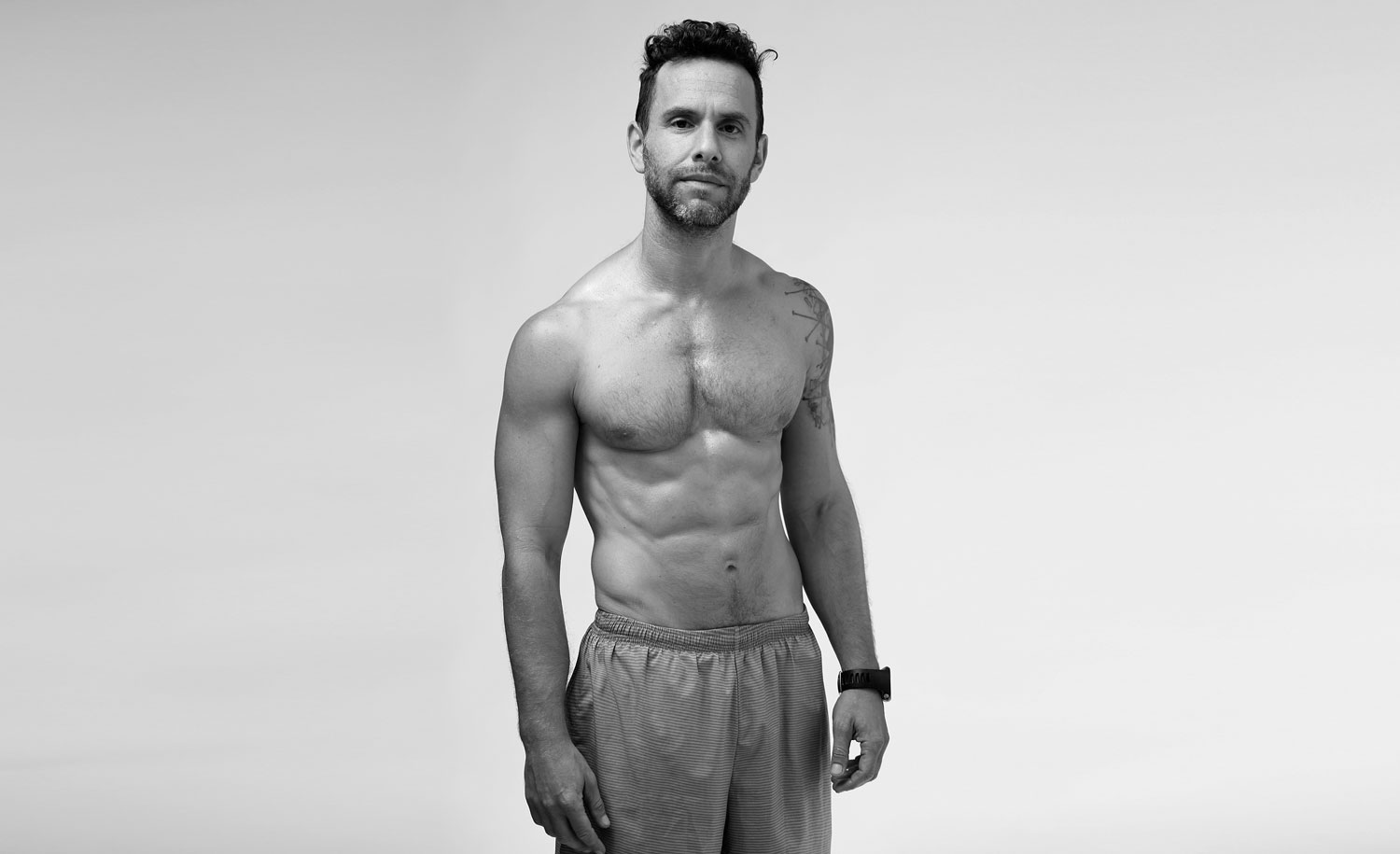
Who wouldn't want a toned, sexy stomach with an impressive six-pack for the summer?
In this case, the recipe is simpler than you might think:
Reaching a low body fat percentage while maintaining high muscle mass and having good genetics.
We can't change the last factor, but we certainly can change the body fat percentage that hides those abs.
So, how can you get toned in a healthy and efficient way using only a vegan diet?
View this post on Instagram
The Golden Rule: Caloric Deficit
The key to cutting is calories (not "natural" diets or "detoxes"):
For example, a person may need 2,500 kcal per day to maintain a constant body fat percentage (neither gaining nor losing fat).
To drop body fat, they must be in a caloric deficit (consuming fewer than 2,500 kcal per day).
The daily number of calories varies from person to person and depends on several factors such as:
Gender
Age
Height
Weight
Diet type
Physical activity levels
Metabolic health
Other medical conditions.
While we cannot control all these factors, we can control our diet and physical activity levels.
So let's get down to business—what can you do?
- Weight your food
Many people tend to misestimate food portions and consume more calories than they realize.
If you are in a cutting phase and failing to lose body fat, you might want to start weighing your food.
For example: a level teaspoon of natural peanut butter weighs 8g and contains 50 kcal.
A heaping teaspoon of that same peanut butter weighs almost 3 times as much and contains 3 times the calories.
Weighing food before meals will help you stay in control of the amounts you eat throughout the day.
2. Keep a journal / precise eating plan.
To accurately know the amounts of protein, carbohydrates, and fats you consume daily, you should maintain a food diary. This keeps you focused throughout the day on your daily protein percentage and, of course, calories.
You can do this yourself or use dedicated apps like MyFitnessPal.
3. Consume sufficient protein.
During a cut, muscle breakdown often occurs. To prevent this and aim for minimal muscle loss, we must consume enough protein:
How much? Between 1.5 to 2g of protein per kg of body weight (and sometimes even more).
This means a person weighing 70 kg (154.3 lb) needs to eat 140 g (4.9 oz) of protein per day.
Note that protein also has a caloric cost (1g of protein = 4 kcal), so consuming excessive amounts of protein can still lead to fat gain.
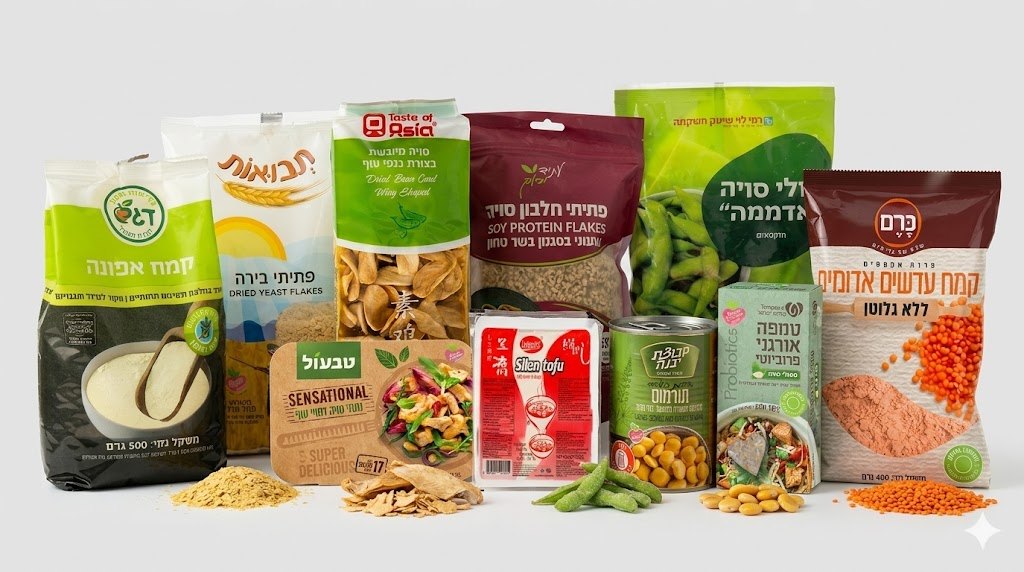
Good plant-based protein sources include:
Tempeh, soybeans, seitan, lentils, beans, chickpeas, tofu, quinoa, peanut butter, and plant-based protein powder.
4. Continue intense physical activity, especially weights.
Yes, specifically during a cut, it is necessary to preserve muscle mass through resistance training (preferably weights) to prevent muscle breakdown.
Don't be afraid to lift heavy in the gym; it will benefit the cutting process. Although building muscle (hypertrophy) is generally difficult during a caloric deficit, the cutting process will make the muscle look more aesthetic and sometimes even larger, even if it hasn't grown at all.
Aerobic activity is a wonderful way to burn extra calories to maintain a negative caloric balance, but it should be combined with resistance training.