Buckwheat vs. Spelt – The Duel
In collaboration with Harduf company
One is a grain, the other a seed; one contains a little gluten, the other none at all. Both were once very popular worldwide and in recent years are enjoying a renewed resurgence.
Similar names but very different: Buckwheat vs. Spelt
Who do you think wins?
Contestant One: Buckwheat
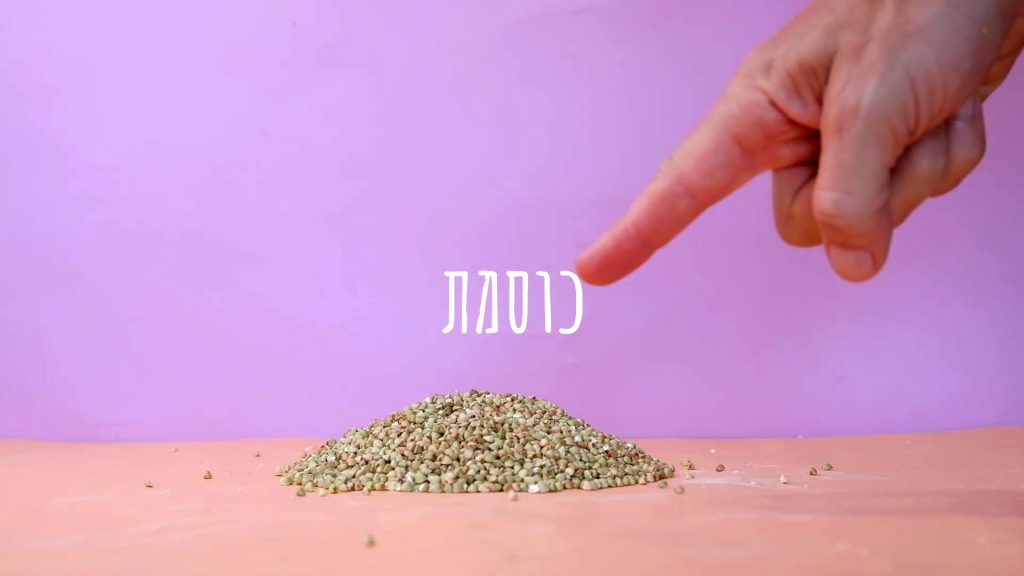
History:
If we were to go back about 150 years to Asia or Europe, we would have surely encountered buckwheat everywhere.
Its low price and high nutritional value made it a common and popular food throughout the years.
The reason lies in the fact that buckwheat is not a delicate plant; it grows mainly in Siberia and northern USA under extreme conditions of cold and altitude, and does not require much irrigation.
Add to that its resistance to many pests, and you have a recipe for a cheap, nutritious, and readily available food.
The years after World War II brought economic stability that led to the streamlining of industrial agriculture in the USA, South America, and China.
These countries mass-produced and exported wheat, rice, and corn worldwide at a low price and with unprecedented efficiency.
The result: Buckwheat was pushed out of the spotlight.
Today, in many parts of the world, traditional foods made from buckwheat can still be found, such as: Kasha (buckwheat porridge) in Russia, Soba noodles in Japan, pasta in Italy, and Breton crêpes in western France.

Nutritional Values and Benefits:
Despite its grain-like appearance, it is not a grain but the seed of a plant, and many people refer to it as a superfood.
Among its health benefits: it may improve heart health, promote weight loss, and help balance blood sugar levels.
It is a good source of protein, fiber, and fatty acids.
Buckwheat does not contain gluten, so people with celiac disease or gluten intolerance can enjoy eating it.
One cup of cooked buckwheat (160 g (5.6 oz)) contains:
- 166 calories
- 5.6 grams protein
- 1 gram fat
- 33 grams carbohydrates
- 4.5 grams dietary fiber
- 168 mg potassium
- 118 mg phosphorus
- 86 mg magnesium
- 12 mg calcium
- 1.34 mg iron
Many vitamins such as:
- Vitamin K,
- B-6,
- Niacin,
- Thiamine
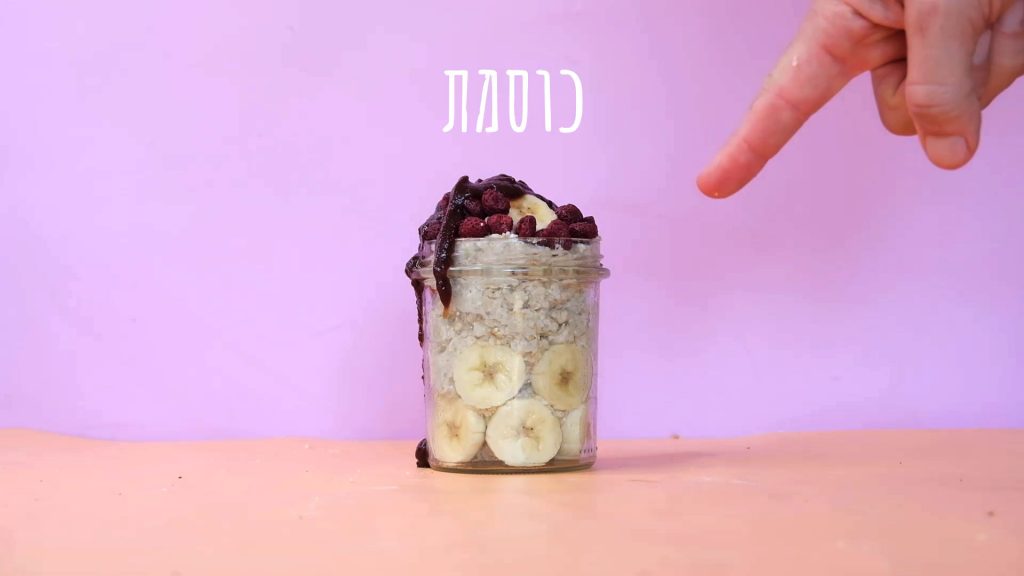
How to Cook and Where to Buy:
Buckwheat has a strong flavor and aroma that not everyone likes or connects with.
You can also buy green buckwheat, which, unlike brown (roasted) buckwheat, has a less intense flavor and aroma.
Buckwheat can be cooked like rice and does not require soaking.
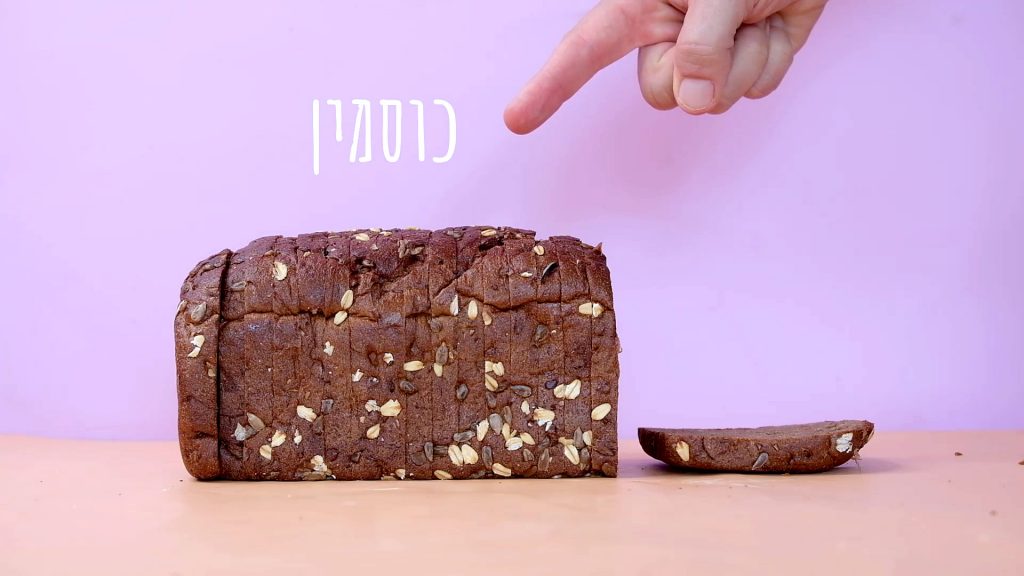
You can make an easy-to-prepare porridge, bread, and a variety of other dishes from it.
Link to Harduf Organic Green Buckwheat
Link to Harduf Organic Buckwheat Flour
Contestant Two: Spelt

History:
Spelt is a grain, a type of ancient wheat, and one of the three ancestors of the modern wheat we know today (the other two being Emmer and Einkorn).
Spelt was very common in the Middle East, the Near East, and Europe for hundreds of years, but not in ancient times.
(Although it is mentioned in the Bible in the Book of Isaiah, it is likely referring to Emmer)
Some claim that the Roman Legion marched on spelt, and there are many mentions of widespread use of this grain for about 800 years.
Spelt has a hard hull that is resistant to pests and also resistant to separating the hull from the grain.
The Industrial Revolution brought real advancements to the entire population, such as improving the process of separating wheat chaff from the grain and significantly lowering the price of white flour, which was very expensive and common, until then, only among nobility.
About 130 years ago, white flour moved beyond the exclusive domain of the aristocracy and became an affordable food for everyone, no longer a luxurious and unattainable item.
In 1880, when the agricultural threshing machine began operating in wheat fields, it struggled to handle spelt's hard and massive hull. Farmers gradually began to stop growing spelt and instead grew bread wheat with a thin hull.
Spelt could not compete with modern wheat, which, through genetic improvement, managed to produce a large amount of crop compared to the ancient spelt, which was not suitable for the growing needs of the population.
Another reason for spelt's decline is its low gluten content, which makes commercial bread baking much more complicated.
Nutritional Values and Health Benefits:
Spelt contains a greater amount of protein than other grains in the wheat family.
The protein composition in spelt is slightly different and contains less gluten; some people find that spelt flour does not cause an uncomfortable feeling in their stomach.
Since the spelt grain is thicker, it is more resistant to pests and therefore requires less spraying.
To get the health benefits of spelt, it is advisable to purchase whole spelt flour, for example, like Harduf's spelt flour.
Whole spelt flour will contain per 100 g (3.5 oz):
- 382 calories
- 14 grams protein
- 60 g (2.1 oz) carbohydrates
- 2 grams fat
- 9 grams dietary fiber
- 41 mcg Vitamin A
- B vitamins
- 4 mg iron
- 7 mg calcium

How to Cook and Where to Buy:
Spelt grains can be added to soup instead of barley or as a side dish instead of rice.
They should be cooked like brown rice (i.e., with plenty of water and for a long time); they are perfect in long-simmering stews and have a deep, nutty flavor.
Whole spelt flour can be used to bake breads, cakes, and quiches, and it is easy to work with and has a wonderful taste.
Link to Harduf Whole Spelt Flour
Link to Harduf Organic Spelt Grains
Link to Harduf Organic Spelt Flakes