Why Dried Fruit is Important for Athletes
I love Tu BiShvat because it's a celebration of fruits and nuts. Finally, a holiday (okay, okay, a minor holiday) that is entirely plant-based.
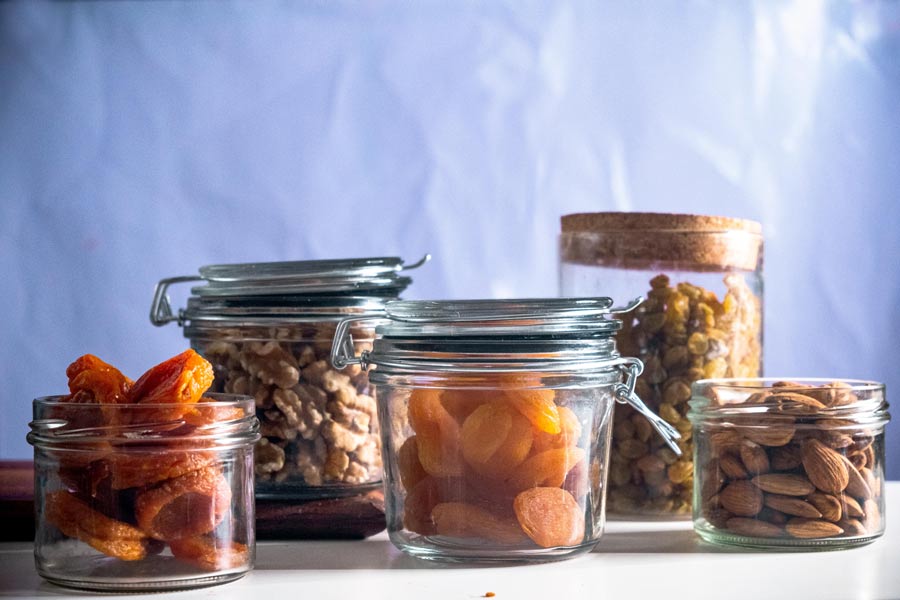
Unlike other holidays, this time the menu is positive and welcome, putting dried fruits and nuts—which have very high nutritional values—front and center.
The fructose (natural fruit sugar) which becomes concentrated due to the drying process, acts as a natural preservative and extends the fruit's shelf life so that bacteria cannot thrive in an environment with such high sugar concentration. Due to the low liquid content, the concentration of vitamins and minerals increases, making dried fruits perfect as energy and recovery snacks that are easy for athletes to carry and store.
Dates have the highest carbohydrate concentration, and their glycemic index indicates that these carbs break down slowly and don't cause a dramatic spike in blood sugar levels, which directly benefits a workout.
Dried bananas (note that we aren't talking about fried banana chips) contain a good amount of carbohydrates, potassium, and a little fat, making them particularly nutritious and beneficial for those engaging in sports.
Dates and bananas are high in calories, making them ideal for endurance athletes. (Remember this the next time you're preparing for a long run).
Other fruits like dried cherries, papaya, pineapple, etc., also contain many carbohydrates and other nutrients that are definitely suitable as energy snacks.
However, raisins might be less suitable due to their low fiber content and high sugar amount. This means a relatively high glycemic index which might quickly fatigue the runner.
How is fruit dried?
- Sun drying – In dry areas with particularly low humidity (like the desert), most fruits and vegetables can be easily dried without fear of rot or fermentation. This traditional method of preserving crops can extend the fruit's shelf life and its nutritional benefits for several years.
- Dehydration – In a dedicated dehydrator or a home oven. Drying at a temperature not exceeding 40°C (105°F) using warm air preserves the fruit's health benefits and shelf life.
- Frying – You can find various fried fruits on the market today as part of the dried fruit festivities. For example: banana chips. Aside from the appealing taste, the fruit loses the advantage of being low-fat, and frying harms the fruit's many benefits. It's recommended to avoid these.
- Preservatives– Today, industrial drying often involves the use of preservatives, primarily sulfur dioxide (labeled as E220), which both preserves the fruit and prevents the caramelization of sugar that gives it a dark color, thus maintaining the fruit's bright original hue. Sulfur dioxide can cause respiratory issues for those prone to them, and it's recommended to avoid eating it in large quantities.
Let's summarize why dried fruits are important for athletes
Dried fruit is a welcome and high-quality addition for athletes and anyone wanting a cheap, portable, and delicious energy snack. It can also assist in recovery after strenuous athletic activity due to its high amount of vitamins and carbohydrates.
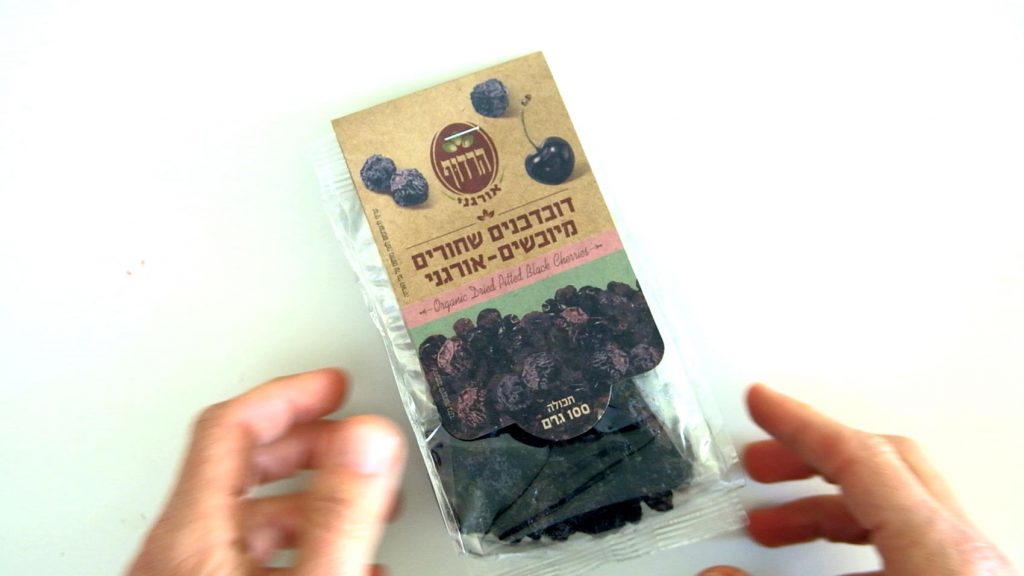
It's important to choose dried fruits without vibrant colors, which indicate additives used to prevent the natural caramelization process. Choose dried fruit with no added sugar (which is sometimes listed under other names like silan, apple juice, honey, etc.).
Keep in mind that dried fruits are calorie-dense, so eat mindfully.
Happy Birthday to the Trees!