Let's see if you can guess what the most common grain in the world is.
Wheat? Guess again.
Rice? Not quite there.
Any more guesses?
The correct answer is corn. A grain that is very common in Central and South America, and especially in the United States, where it has been eaten in various forms for hundreds of years.
In our region, it seems that with all the wheat, legumes, and various superfood products, we've slightly forgotten about this wonderful yellow grain with its sweet taste.
Why do I love corn so much? And why is vegan polenta so good for us?
Beyond its sweet flavor and the variety of dishes you can make with it, it's a favorite of mine because of its nutritional values:
It contains mainly carbohydrates—70 g (2.5 oz) per 100 g (3.5 oz) of corn—so it can replace the carb portion of a meal.
It also contains a good amount of folate, B vitamins, and important minerals like potassium, magnesium, and iron. It is gluten-free and therefore suitable for those with celiac disease.
There's a reason they say there's nothing like hot corn on the cob.
One of my favorite corn products is cornmeal (or polenta flour).
It's a product with a longer shelf life than fresh corn and features the same nutritional values (though sometimes with high added sodium—so pay attention).
Cornmeal is used for baking sweet or savory pastries, tacos and tortillas in Mexico, thickening sauces, and of course, for making polenta in Italy and mamaliga in Romania.
In this recipe, I will prepare a vegan polenta without using butter or cream, but rather a decadent and delicious cashew cream with zero saturated fat. Which is very good for us.
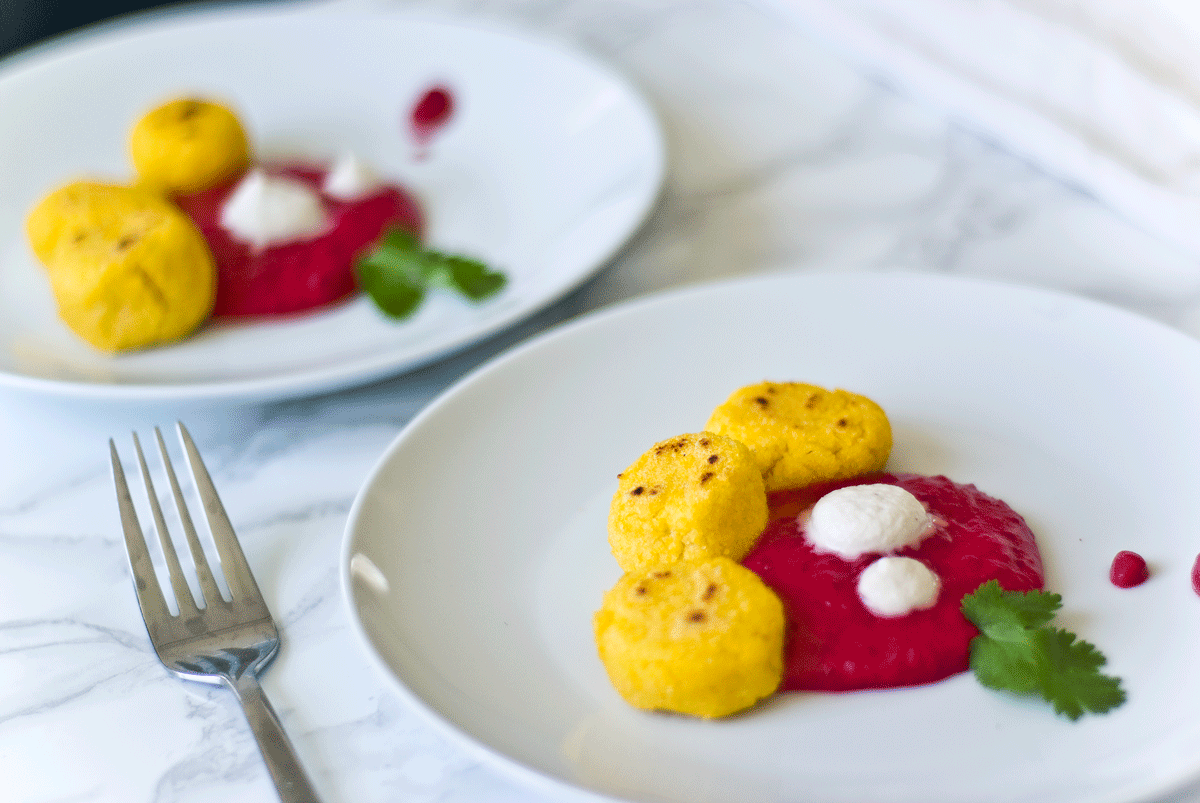
I love serving the polenta on a bed of bean and beetroot "Musabaha," which gives the dish a particularly colorful and festive look, along with a nice protein boost.
Admit it, it's stunning!
I served this beautiful dish during the holiday as an appetizer, and no one even noticed there were no dairy products in the polenta.
A few important points:
- It is very important to stir the pot with the liquids while slowly pouring the cornmeal into the pot. It must be done at a slow pace until the corn granules cook and merge with the liquid.
- Another point: it is important to remove the pot from the heat while the mixture is still slightly liquid. It will continue to firm up even after being removed from the heat.
- It is important to serve the polenta balls while they are hot; otherwise, they aren't as tasty.
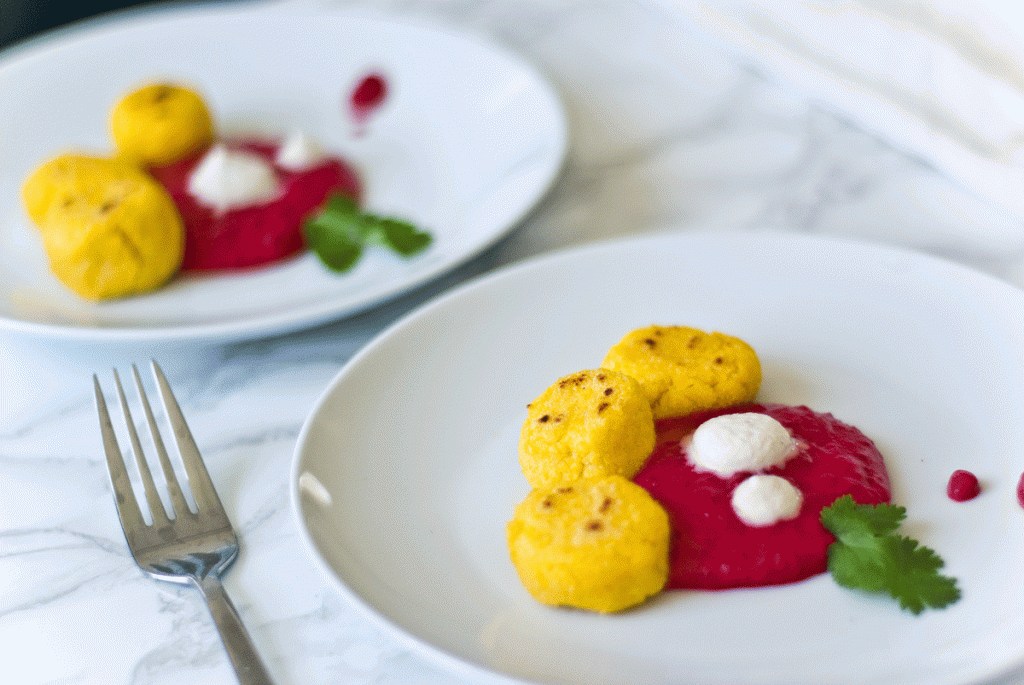
Nutritional values per serving:
280 kcal, 10g protein, 7g fat (including 1g saturated fat), 64mg sodium, 6mg dietary fiber, 9mcg folate, 4mg magnesium, 321mg potassium.
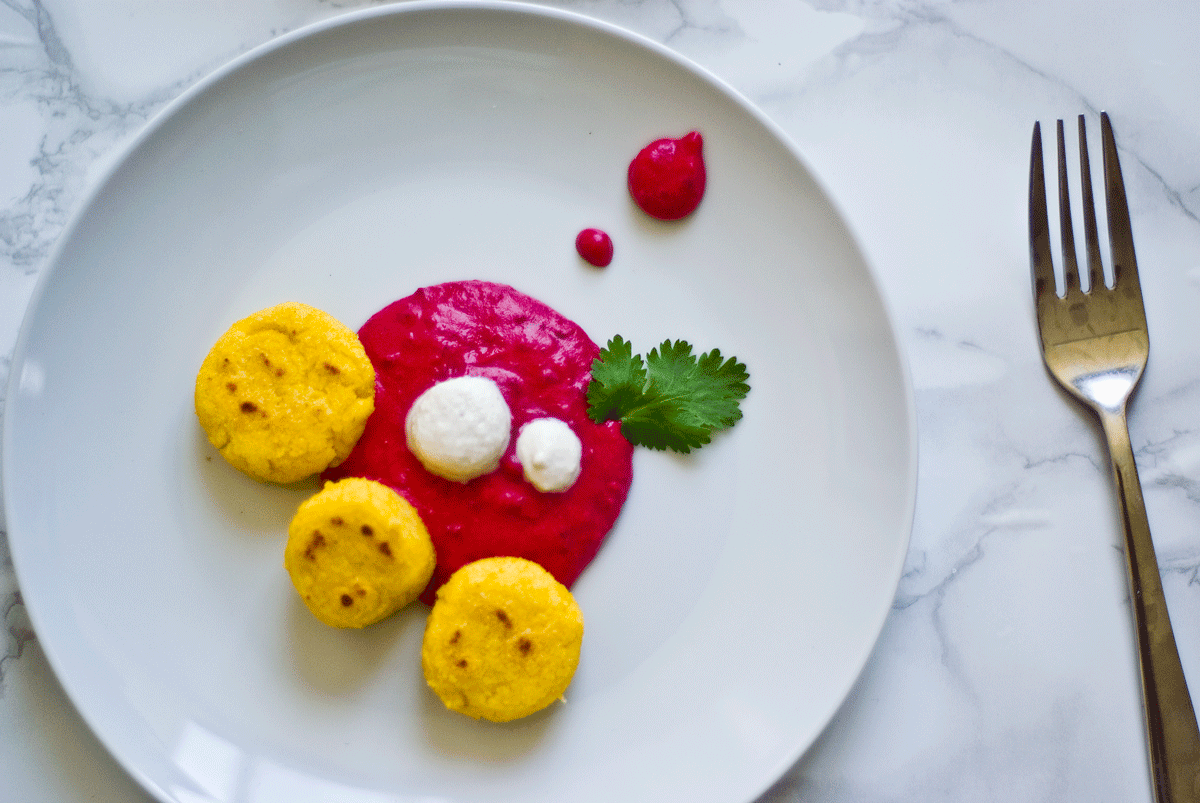
Preparation:
Ingredients
- 200 g Gigantes beans (Bobes) soaked in plenty of water overnight
- 1 cup cornmeal
- 1/2 raw beetroot peeled and diced
- 4 cloves of garlic minced
- juice from one lemon
- 2-3 tbsp olive oil
- 2 cups soy milk unsweetened
- 3 tbsp cashew cream see recipe below
Cashew Cream
- 1 tbsp olive oil
- 1 clove of garlic
- 1 cup raw cashews unsalted, soaked in plenty of water for at least 4 hours
Instructions
-
Prepare the Beetroot and Bean Musabaha: Drain the soaking water from the beans and transfer them to a deep pot.
-
Cover with fresh water and cook on a low flame for about an hour and a half until the beans are completely soft (you can speed up the cooking by adding half a teaspoon of baking soda).
-
Remove from the stove and set aside about half a cup of the cooking liquid.
-
Transfer the cooked beans, cooking liquid, beetroot cubes, half of the minced garlic, 2-3 tablespoons of olive oil, and juice from half a lemon to a food processor. Blend well until you get a pink Musabaha with a uniform texture.
-
Prepare the Cashew Cream:
-
Drain the cashews from the soaking water and transfer them to a food processor. Add half a cup of water, a garlic clove, juice from half a lemon, and a little olive oil. Blend on high speed for several minutes until a smooth paste is formed.
-
Prepare the Polenta Balls:
-
In a deep pot, heat 2 cups of soy milk and add 2-3 tablespoons of the cashew cream, the remaining minced garlic, and juice from half a lemon. Bring to a boil.
-
Slowly pour the cornmeal into the pot while stirring with a wooden spoon until a sticky dough forms. Don't rush—the process should take a few minutes.
-
Remove from the stove and let it cool to a temperature that's comfortable to work with by hand.
-
After cooling, you'll have a sticky, dense cornmeal porridge. Using your hands, crumble the hardened dough and form balls the size of ping-pong balls. Place the polenta balls on a hot pan and sear for a few minutes on each side until browned. You can use a tiny bit of olive oil.
-
Serve 4 hot polenta balls on each plate over a large spoonful of the beetroot bean Musabaha and a teaspoon of cashew cream.