10 High-Calorie Vegan Foods for Gaining Muscle Mass
Gaining weight can be a very difficult task and often involves changes in both diet and lifestyle.
Avoiding animal products can be challenging and requires strategic food choices to ensure we meet our goals.
However, there are plenty of nutritious vegan foods that can add the extra calories needed for weight gain and building mass.
Here are 10 high-calorie vegan foods that can help you gain weight.
-
Nuts and Nut Butters
Nuts are an excellent source of protein, high-quality fatty acids, and calories. This is why they are a great choice when looking to increase mass.
For example: 185 g (6.5 oz) of walnuts contain just over 4g of protein (per serving size context).
A handful or two of nuts like almonds, cashews, walnuts, or pecans can add significant calories to your daily diet, directly contributing to mass gain.
Peanut butter, for instance, is very calorie-dense and is a fantastic option. Just make sure to choose peanut butter without hydrogenated fats or added sugar.
- I love adding peanut butter (or almond butter) to my smoothies, sandwiches, or home-baked snacks.
-
Avocado
Avocado is undoubtedly one of the most delicious, nutritious, and creamy fruits (yes, it's a fruit) the universe has to offer.
Avocado boasts wonderful nutritional values and is definitely a smart choice for any athlete wanting to bulk up.
One avocado contains about 350 kcal, 14g of dietary fiber, and almost 30g of fat.
It also contains a wide range of nutrients such as Vitamin C, folate, pantothenic acid, and potassium.
- Add half an avocado to your breakfast to increase your quality calorie intake. – There's nothing better than avocado on toast.
-
Quinoa
Quinoa and dried apricot salad
Quinoa is the seed of the goosefoot plant and is rich in protein, dietary fiber, and of course, essential nutrients.
It is also calorie-dense:
One cup of cooked quinoa (185 g (6.5 oz)) contains 220 kcal, 8g of protein, and 5g of dietary fiber.
The amino acid profile of quinoa includes all nine essential amino acids—those the body cannot produce on its own and must obtain from food.
Quinoa is also a good source of magnesium, phosphorus, copper, and folate.
- Quinoa can be eaten as a side dish, added to salads, soups, and stews to enrich your meals with calories.
-
Tahini
Although it's fourth on the list, it is undoubtedly a permanent resident in any vegan/vegetarian kitchen or any Israeli home.
Made from roasted and ground sesame seeds, it is very rich in protein, fiber, high-quality fatty acids, and calories.
One tablespoon of tahini (15g) contains 89 kcal, 2.5g of protein, 1.5g of fiber, and 8g of fat.
Incorporating a few tablespoons of tahini a day will dramatically increase your calorie count and lead directly to mass gain.
- Tahini is a great addition to cooked dishes, salads, and dips (okay, you don't really need me to tell you that!).
-
Olive Oil
Olive oil is rich in monounsaturated fatty acids known for their medicinal benefits.
Unsaturated fats have been shown to increase "good" HDL cholesterol levels and help reduce triglycerides in the blood.
Olive oil is also rich in antioxidants and has been found effective in reducing the risk of chronic diseases.
One tablespoon (14g) of olive oil contains 126 kcal and 13.5g of fat, making it a wonderful and easy way to add calories to a meal.
- You can fry with it, season, bake, and cook with it (you know what to do!).
-
Dried Fruits
Dried fruits are a wonderful solution for adding calories, vitamins, minerals, and antioxidants to your diet.
The calorie count can vary by fruit: dried plums (prunes) contain 210 kcal per cup and a half (87 g (3.1 oz)), while the same amount of raisins (83 g (2.9 oz)) has 247 kcal.
Dried fruits provide fiber and antioxidants in a concentration up to 3 times higher than fresh fruits.
Since dried fruit contains a high amount of sugar, it's best to combine it with a protein source to slow down potential effects on blood sugar levels.
* You'll agree with me that there's nothing like a plate of dried fruits over soy yogurt, with or without granola, or just as a snack before or after a workout.
-
Legumes
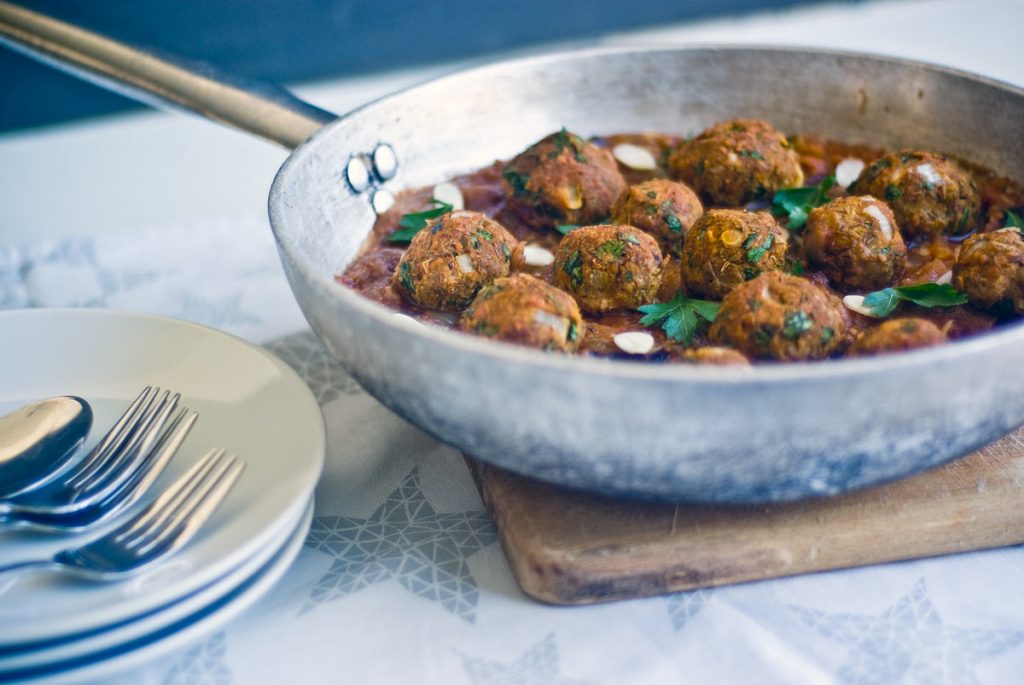
Legumes like lentils, beans, and chickpeas contain a good amount of protein, fiber, and calories.
One cup of cooked black beans (172 g (6.1 oz)) has 227 kcal and 15g of protein.
Legumes generally contain high amounts of vitamins and important minerals like folate, magnesium, iron, zinc, and potassium.
- Try adding beans to patties, salads, soups, stews, and spreads.
8. Sweet Potatoes
Sweet potatoes are a popular starchy vegetable with a sweet taste and wonderful nutritional values.
They are rich in calories, fiber, essential minerals, vitamins, and antioxidants.
One cup (200 g (7.1 oz)) of cooked sweet potato contains 180 kcal and 6.5g of dietary fiber.
One serving of sweet potato provides the daily requirement of Vitamin A and supplies many other nutrients like Vitamin C, potassium, and Vitamin B6.
- Nothing beats an oven-roasted sweet potato, mashed, or steamed with a sauce on top.
9. Smoothies
Vegan smoothies are a fast and convenient way to consume a concentrated dose of calories in one sitting.
If you use protein powders or soy yogurt, you can maximize potential health benefits.
Nut butter, dried or fresh fruits, avocado, almond milk, coconut oil, and nuts are all excellent additions to smoothies that will add calories to your daily diet and aid the mass-gaining process.
Drink the smoothie between or after meals as a supplement to your daily intake to maximize total calorie consumption.
-
Rice
Rice is an affordable, accessible food with high caloric density that can promote mass gain.
It also provides some protein and fiber along with several important vitamins and minerals.
One cup (195 g (6.9 oz)) of cooked brown rice provides 216 kcal alongside 5g of protein and 3.5g of fiber.
It is also a good source of magnesium, selenium, phosphorus, and niacin.
Want to see what a sample vegan menu looks like? Click here