The Story Behind the Recipe
Step aside, dairy yogurt. There's a homemade soy yogurt in town, and you made it yourself.
I think this might be the easiest soy yogurt recipe on the planet. It comes down to three basic stages—and a whole lot of probiotic bacteria doing the work.
If you're new to probiotics, here's the short version: they're beneficial live microorganisms that can support gut health. The bacteria living in our intestines help with digestion, among other jobs. An imbalance in that community can contribute to digestive discomfort, gas, stomach pain, and irregular bowel movements. Yogurt with live probiotic cultures may help support normal immune function and digestion, and some strains may help ease bloating and improve regularity. The effects depend on the strains and the person.
Written in collaboration with Noam Bachar (an Israeli nutrition advisor and fitness instructor).
A Little Nutrition Breakdown
200 g (7 oz) of soy yogurt contains:
- 63 calories
- 6.6 g protein
- 3 g fat
- 240 mg calcium (about a quarter of the recommended daily intake for many adults)
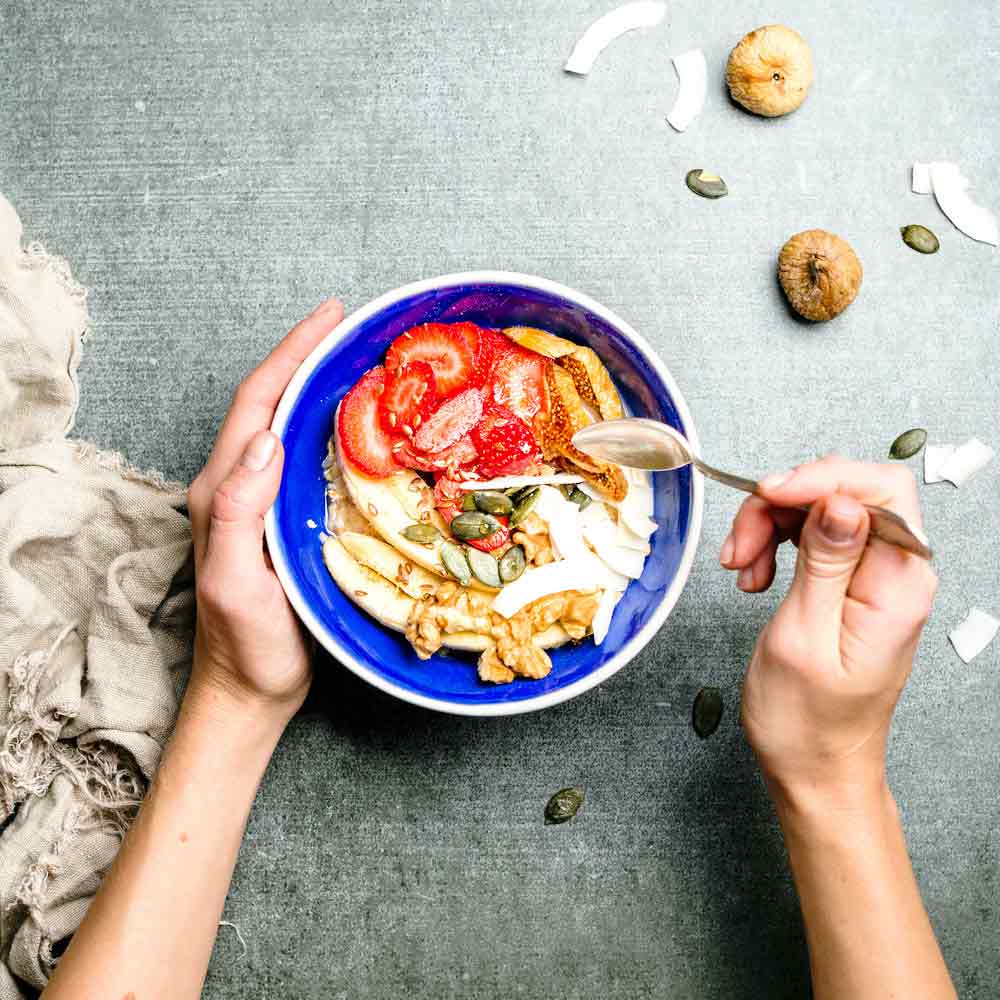
A breakfast made with 200 g (7 oz) soy yogurt, 4 tablespoons of Quaker oats, a medium apple, and 7 almonds contains:
- 357 calories
- 14.8 g protein
- 11 g fat
- 56 g carbohydrates
- Vitamin A, B vitamins, iron, and calcium
Ingredients
- 1 liter (about 4¼ cups) soy milk
- 1 small container of soy yogurt, 220 g (7.8 oz), or 5 probiotic capsules (available without a prescription at Super-Pharm, an Israeli pharmacy chain)
Directions
- Heat the soy milk in a saucepan to 45°C (113°F). You may notice small bubbles or a little thickening, but use a thermometer to check the temperature.
- Remove from the heat and transfer to a plastic, ceramic, or glass bowl—not a metal one—that has been thoroughly washed with soap and water.
- For this method, stick with nonmetal bowls and utensils from this point on. Probiotic cultures don't generally require avoiding all metal, but that's the setup I use here.
- Let the milk cool slightly, until you can comfortably touch the bowl with your bare hands.
- Add the yogurt or the contents of the probiotic capsules and mix thoroughly with a wooden spoon.
- Cover with a clean towel and let ferment in a warm spot. The original timing for this method is about 8 to 48 hours, depending on room temperature, but room temperature alone isn't a reliable guide to safe fermentation. Use a starter suitable for soy milk and follow its temperature and timing instructions, then refrigerate promptly.
- You should end up with a bowl of fresh, delicious soy yogurt.
Don't forget to save a little yogurt to start your next batch. You can typically repeat this for 3–4 batches, depending on the starter.
A Few Ideas:
- You can also try coconut milk, if coconut's your thing, or cashew milk.
- For a lovely cultured soy cheese, add salt and lemon juice to the yogurt, then strain it through cheesecloth overnight in the refrigerator.