How to Easily Build a High-Protein Vegan Lunch (30-45g)
Tired of sad desk salads that leave you hungry in an hour? Hitting your daily protein target on a vegan diet can feel challenging, but your midday meal is the perfect opportunity to load up on plant-powered protein. A high-protein lunch will keep you full, focused, and fueled for the rest of your day, supporting everything from muscle growth to cognitive function. This guide will give you a simple, powerful formula to build a delicious vegan lunch with 30 to 45 grams of protein, plus concrete ideas you can start using this week.
The High-Protein Lunch Formula: Protein Base + Grain + Veggies + Sauce
Forget complicated recipes. Building a balanced, satisfying meal is as simple as combining these four components:
- Protein Base (20-30g of protein): This is the star of your meal. Choose a generous portion of tofu, tempeh, seitan, TVP, lentils, or chickpeas.
- Whole Grain (5-10g of protein): Grains add more protein, complex carbs for sustained energy, and filling fiber. Include about 1 cup (cooked) of quinoa, brown rice, whole wheat pasta, or buckwheat.
- Vegetables (1-3g of protein): Pack in as many as you can! Veggies add essential vitamins, minerals, and volume to help you feel full. Broccoli, spinach, and peas have a surprising amount of protein.
- Sauce/Healthy Fat (1-5g of protein): A great sauce ties everything together. A dressing made with tahini, peanut butter, or soy yogurt can add a nice flavor and protein boost.
The Best Protein Bases for a Vegan Lunch
Here are some of the best choices for your protein base, with approximate protein per serving.
- Seitan: About 25g protein per 3.5 oz (100 g (3.5 oz)). Often called "wheat meat," seitan's dense, chewy texture makes it an incredible substitute for chicken or beef. Learn more by reading Is Seitan Healthy?.
- Tofu (Extra-Firm): About 16-20g protein per 5 oz (150 g (5.3 oz)). Tofu is a versatile chameleon; it absorbs any flavor you throw at it. Bake it, stir-fry it, or scramble it. For more ideas, check out our Tofu: The Complete Guide.
- Textured Vegetable Protein (TVP): About 25g protein per 1/2 cup (dry). A dehydrated soy product that's a perfect ground meat replacement for chilis and bolognese.
- Tempeh: About 19g protein per 3.5 oz (100 g (3.5 oz)). Made from fermented soybeans, tempeh is packed with protein and probiotics. It has a firm texture and nutty flavor. See how it compares: Tempeh vs. Tofu.
- Lentils: About 18g protein per 1 cup (cooked). Inexpensive, easy to cook, and a fantastic source of iron and fiber.
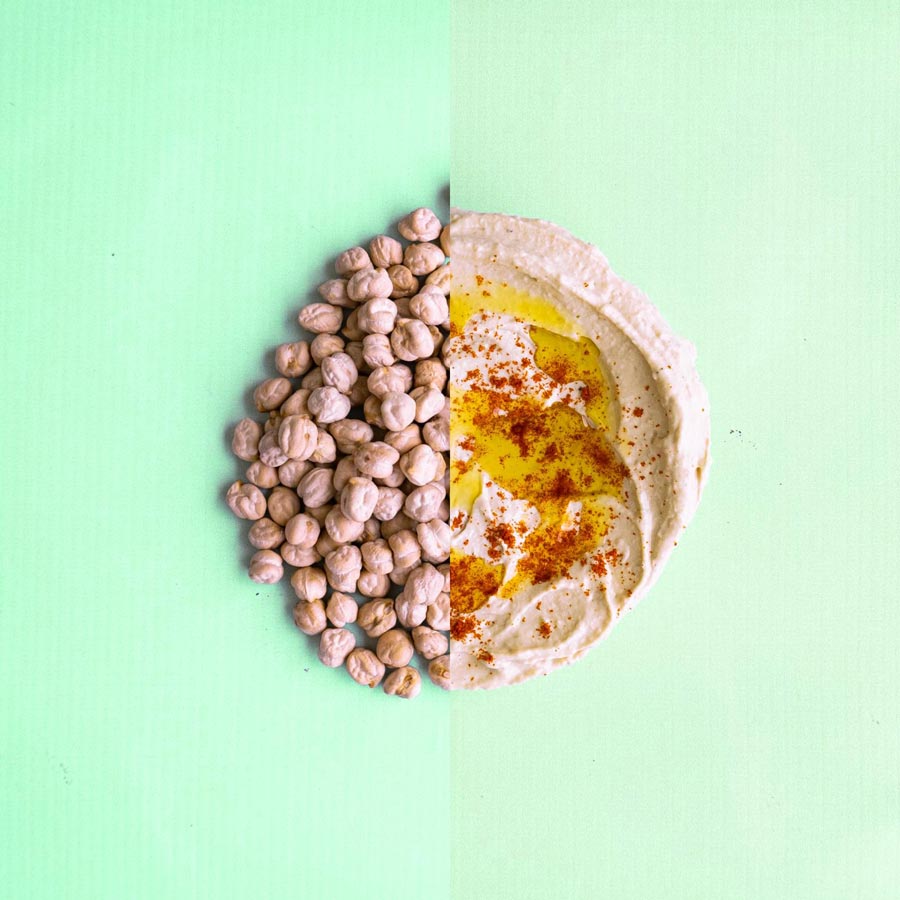
- Chickpeas & Other Beans: About 15g protein per 1 cup (cooked). Black beans, kidney beans, and chickpeas are all great in salads, bowls, and stews.
- Edamame: About 15g protein per 1 cup (shelled). A great snack or a perfect protein-boosting addition to any salad.
Comparison Table: Protein & Calories in Plant-Based Proteins (per 100 g (3.5 oz))
| Protein Source | Protein (g) | Calories (approx.) |
|---|---|---|
| Seitan | 25 | 120 |
| TVP (dry) | 50 | 325 |
| Tempeh | 19 | 190 |
| Extra-Firm Tofu | 12-16 | 145 |
| Lentils (cooked) | 9 | 115 |
| Chickpeas (cooked) | 8 | 140 |
10 High-Protein Vegan Lunch Ideas
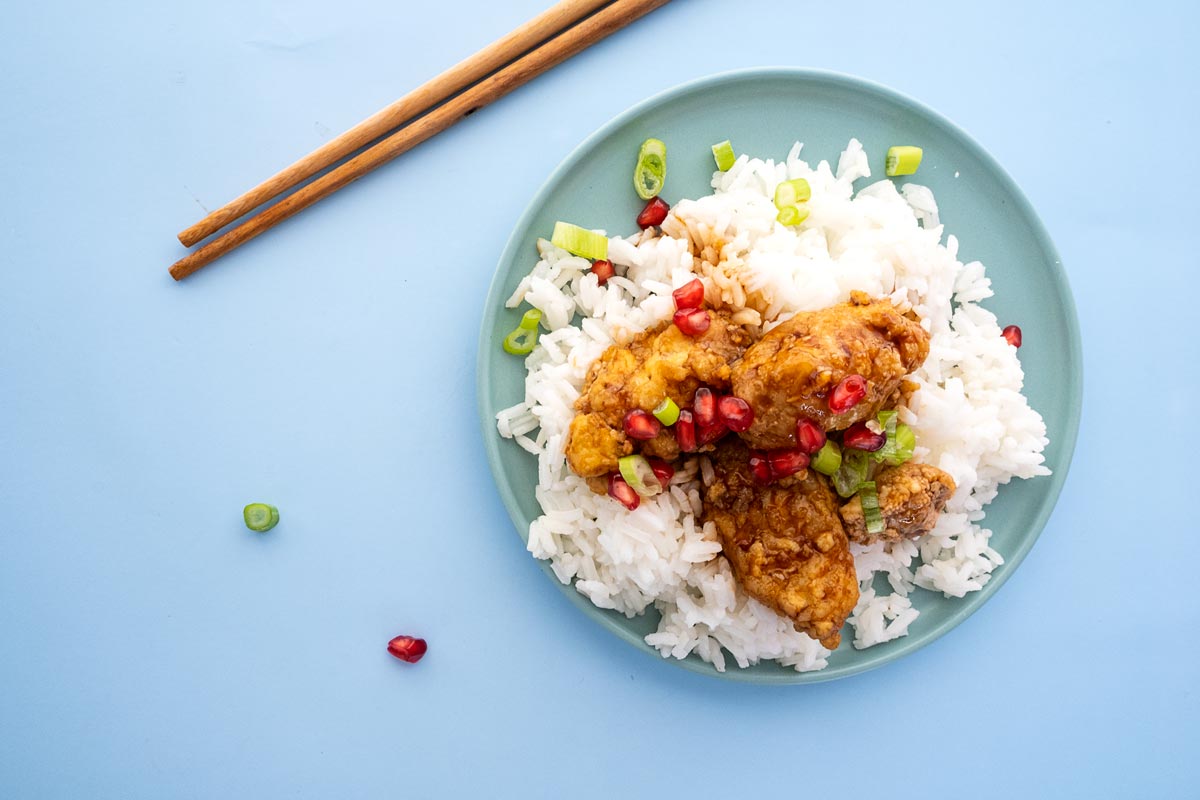
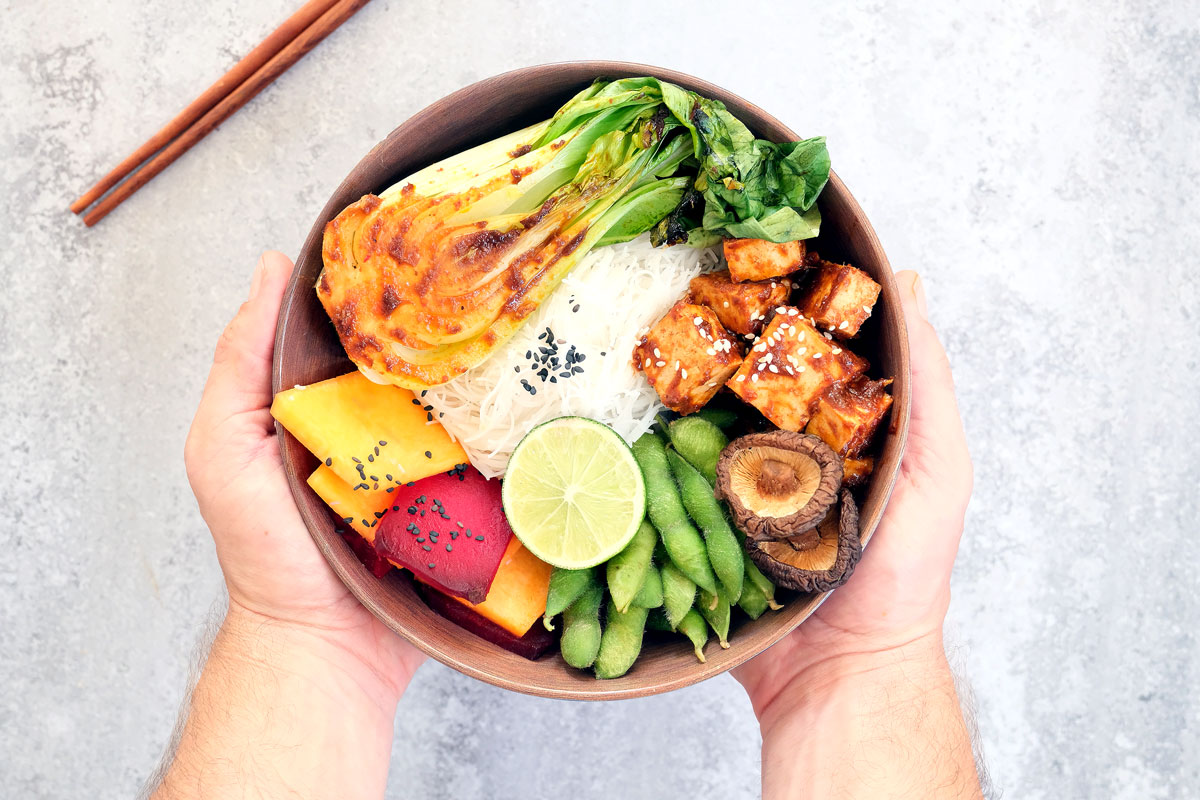
- Baked Tofu & Quinoa Bowl: Marinated baked tofu (25g protein) + 1 cup quinoa (8g) + steamed broccoli & carrots (3g) + tahini dressing (4g). Total: ~40g protein.
- Black Lentil Salad: 1.5 cups black lentils (27g) + roasted sweet potato cubes (2g) + bell pepper, red onion, and cilantro + lemon vinaigrette. Total: ~29g protein.
- Seitan & Veggie Stir-fry: Seitan strips (25g) + 1 cup whole wheat noodles (10g) + mixed stir-fry vegetables with a soy-ginger sauce. Total: ~38g protein.
- Deconstructed Burrito Bowl: 1 cup brown rice (8g) + 1 cup black beans (15g) + 1/2 block crumbled tofu (10g) + corn, salsa, and guacamole. Total: ~33g protein.
- Peanut Tempeh Bowl: Sautéed tempeh cubes (19g) + 1 cup brown rice (8g) + shredded cabbage, carrots, and edamame (5g) + peanut sauce (6g). Total: ~38g protein.
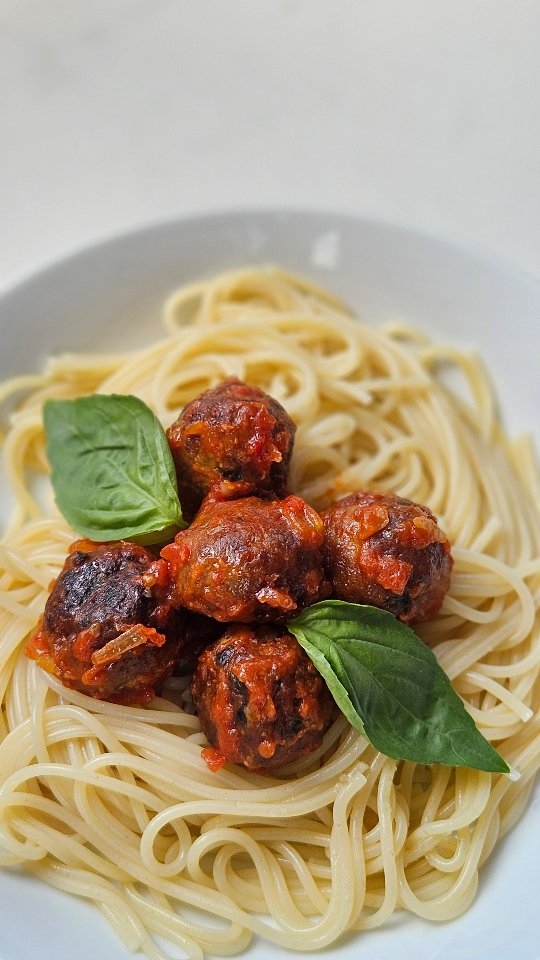
- Red Lentil Bolognese: 1.5 cups whole wheat pasta (15g) + a hearty red lentil and tomato sauce (20g). Total: ~35g protein.
- Hearty Vegan Chili: A big bowl of kidney bean and TVP chili (30g) + a dollop of soy yogurt and a side of brown rice (5g). Total: ~35g protein.
- "Chicken" Salad Sandwich: Smashed chickpeas and walnuts (20g) mixed with vegan mayo, celery, and onions on two slices of whole-grain bread (10g). Total: ~30g protein.
- Greek Quinoa Salad: 1 cup quinoa (8g) + 1 cup chickpeas (15g) + cucumber, tomatoes, olives, and a tofu-based feta (8g). Total: ~31g protein.
- Smoky Tofu & Greens: A big plate of sautéed kale and spinach (5g) topped with smoky, pan-fried tofu steaks (25g) and a sprinkle of nutritional yeast. Total: ~30g protein.
Work Week Meal-Prep Strategy
The secret to consistency is preparation. Spend 2-3 hours on Sunday to set yourself up for a week of success.
- Cook your grains: Make a large batch of quinoa, brown rice, or farro. Store it in an airtight container in the fridge.
- Prep your protein: Bake a full block of tofu, grill some seitan strips, or cook a large pot of lentils or TVP.
- Chop your veggies: Wash and chop sturdy vegetables like bell peppers, carrots, celery, and onions. Store them in separate containers. Wait to cut things like avocado or tomatoes until the day you eat them.
- Mix your sauces: Whisk together a jar of vinaigrette, peanut sauce, or tahini dressing. They'll last all week in the fridge.
Each morning, simply assemble your bowl in a container. It takes less than five minutes!
Lunches That Don't Need a Microwave
No microwave at the office? No problem. These options are delicious served cold or at room temperature:
- Lentil or bean salads.
- Quinoa bowls with fresh veggies and pre-cooked (baked) tofu.
- A hearty sandwich with hummus and sliced seitan.
- Cold pasta salad with chickpeas and a vinaigrette dressing.
Frequently Asked Questions
How do I know how much protein I need?
Your daily protein needs depend on your weight, activity level, and goals. The general recommendation is about 0.36 grams per pound of body weight (0.8g/kg), but athletes and active individuals may need 0.5 to 1.0 grams per pound (1.2-2.2g/kg). Use our protein calculator for a personalized estimate.
Is plant protein a "complete" protein?
Yes. A "complete protein" contains all nine essential amino acids. While most animal proteins are complete, a common myth is that plant proteins are not. In reality, most plant-based sources contain all nine essential amino acids, just in varying ratios. As long as you eat a varied diet of legumes, grains, nuts, and seeds throughout the day, your body will get everything it needs. Soy, quinoa, and buckwheat are excellent examples of single-source complete plant proteins. For a deep dive, read the Plant-Based Protein Guide.
I don't like tofu. What's the best substitute?
If you're not a fan of tofu, you have plenty of other high-protein options. Seitan offers the highest protein content and a uniquely chewy, meat-like texture. Tempeh provides a firm bite and a nutty flavor. Lentils and TVP are perfect for morphing into sauces, chilis, and patties. Don't be afraid to experiment!
Is it safe to eat soy every day?
For most people, consuming moderate amounts of whole, unprocessed soy foods (like tofu, tempeh, edamame, and soy milk) is safe and healthy. A large body of scientific research has linked soy consumption to various health benefits. As with any food, variety and moderation are key.
Ready to take your nutrition to the next level? Check out our free protein calculator to fine-tune your personal needs, or explore our High-Protein Vegan Meal Plans for a customized roadmap to your goals.