What Is TVP (Textured Vegetable Protein)?
Ever seen those bags of dry, crunchy crumbles or chunks in the health food aisle and wondered what they are? Chances are you were looking at Textured Vegetable Protein, or TVP. It's one of the most useful, affordable, and protein-packed staples in a plant-based kitchen. This guide will teach you how to master this ingredient and turn it from a bland mystery into a delicious centerpiece of your meals.
So, what is it? TVP is made from soy flour—a byproduct of making soybean oil. The flour is cooked under pressure, which texturizes it, and then it's dried. This process gives it a spongy, meat-like texture once it's rehydrated. It comes in various shapes and sizes, most commonly small granules (resembling ground meat) and larger chunks. Because it's completely dehydrated, it has an incredibly long shelf life and requires no refrigeration.
TVP Nutrition: Protein Powerhouse
The biggest selling point for TVP is its high protein content. It's a complete protein, meaning it contains all the essential amino acids your body needs. It's also very low in fat and carbs and a good source of fiber, iron, and magnesium.
It's crucial to understand how the nutritional values change from dry to rehydrated. 3.5 ounces (or 100 g (3.5 oz)) of dry TVP is a very large amount of food once cooked.
| Nutrient | Per 3.5 oz / 100g (Dry) | Per 3.5 oz / 100g (Rehydrated) |
|---|---|---|
| Calories | About 327 kcal | About 93 kcal |
| Protein | About 52 g (1.8 oz) | About 15g |
| Carbohydrates | About 34g | About 10g |
| Fiber | About 18g | About 5g |
| Fat | About 1g | About 0.3g |
As you can see, even when rehydrated, TVP provides a similar amount of protein to lean ground beef or tofu with significantly less fat. Want to know your personal protein needs? Check our free protein calculator.
How to Cook TVP: The Practical Method
The secret to great TVP is a two-step process: proper rehydration and aggressive seasoning. Because it's a flavor sponge, TVP will taste like whatever you cook it with. If you skip the seasoning, you'll get a nice texture but a cardboard taste.
Step 1: Rehydrate It
Your goal is to put the moisture back into the dried protein. There are two main ways to do this: soaking or simmering.
- Soaking: The simplest method. Place the TVP in a bowl and cover it with boiling water or hot vegetable broth. The ideal water-to-TVP ratio is usually 1:1 by volume (e.g., 1 cup of TVP to 1 cup of liquid). Stir and let it sit for 5-10 minutes until the liquid is absorbed and the TVP is soft.
- Simmering: A faster method where you add the dry TVP directly to a simmering liquid, like a tomato sauce, chili, or soup. Let it cook on low heat for 10-15 minutes until it’s tender.
Crucial Tip: After rehydrating, gently squeeze out any excess water, especially from the larger chunks. This helps them brown better in the next step and prevents a soggy texture.
Step 2: Season and Brown It
This is where the magic happens. Once your TVP is soft and squeezed, it's ready to be flavored.
- Flavor the Liquid: The most effective way to infuse flavor is to season the rehydrating liquid itself. Add soy sauce, garlic powder, onion powder, smoked paprika, cumin, a dash of liquid smoke, or your favorite herbs to the hot broth or water. The TVP will absorb these flavors as it soaks.
- Brown in a Pan: Heat a bit of oil in a large skillet or pan over medium-high heat. Add the rehydrated, squeezed TVP. Sauté, stirring occasionally, for 5-7 minutes until it starts to brown and get slightly crispy on the edges. This step builds a huge amount of savory flavor.
- Add to Your Recipe: Now your TVP is perfectly prepped and ready to absorb the flavors of your main dish. Add it to your bolognese, taco filling, or chili and continue with your recipe.
5 Ways to Use TVP
Now that you know the technique, here are a few classic ways to use TVP:
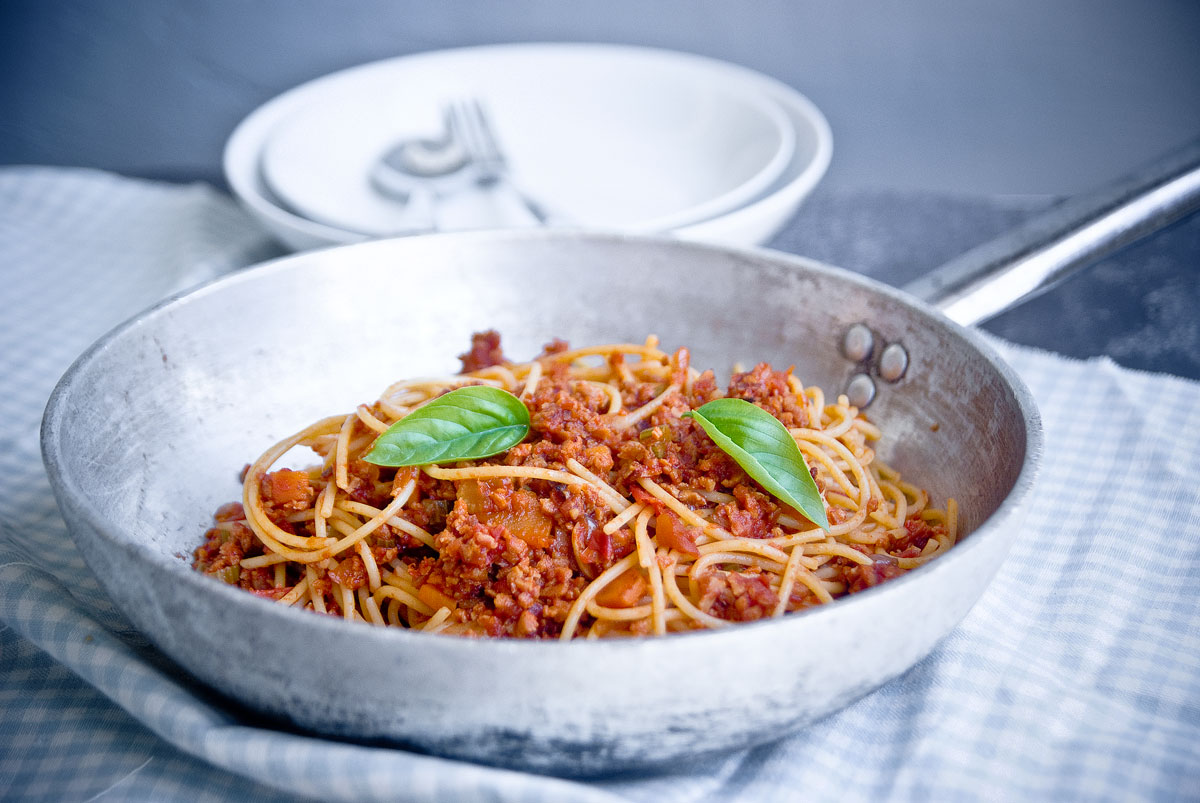
- Vegan Bolognese: Use TVP granules as a perfect substitute for ground meat in a rich, savory bolognese sauce.
- Tacos or Burritos: Season TVP crumbles with a zesty taco seasoning blend and serve in tortillas with salsa, guacamole, and all your favorite toppings.
- Chili Sin Carne: TVP granules or small chunks are excellent in a hearty, warming chili with beans, corn, and tomatoes.
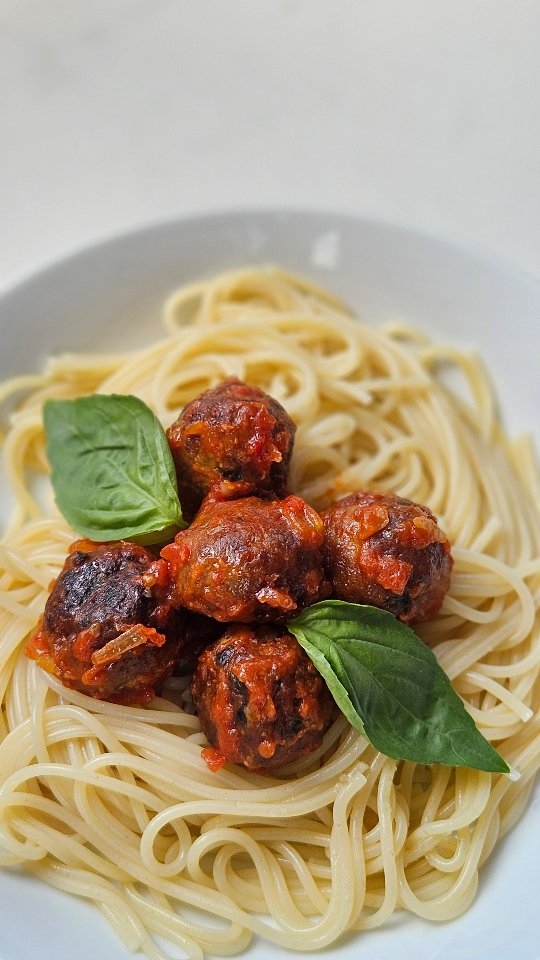
- Burgers and Meatballs: Mix rehydrated TVP with mashed beans, breadcrumbs, and spices to form firm, protein-rich patties or meatballs.
- Stuffed Vegetables: Use a mixture of seasoned TVP and rice to stuff bell peppers, zucchini, or cabbage leaves.
Looking for more plant-based protein inspiration? Check out our complete guide to plant-based protein.
Buying and Storing TVP
You can find TVP in most major supermarkets (often in the natural foods or baking aisle), health food stores, and online. Because it's a dry product, it will last for a year or more when stored in an airtight container in a cool, dark pantry.
Frequently Asked Questions
How do you get the weird taste out of TVP?
That “weird taste” some people notice is usually due to improper preparation. The key is to rehydrate TVP in a flavorful liquid (like seasoned veggie broth), squeeze it out well, and then brown it in a pan before adding it to a sauce. This ensures it absorbs good flavors and doesn't taste bland or beany.
What is the ratio of water to TVP?
A good rule of thumb is a 1-to-1 ratio by volume. For every 1 cup of dry TVP, use about 1 cup of boiling liquid. This is usually enough to fully soften the crumbles. For larger chunks, you might need slightly more liquid.
Do you have to cook TVP?
Technically, no. TVP is already cooked during its manufacturing process. Therefore, simply rehydrating it in hot liquid is enough to make it safe and edible. However, simmering it within a sauce will help it absorb more flavor and achieve a more tender texture.
How long does TVP take to cook?
It's incredibly fast. Rehydrating in boiling water takes just 5-10 minutes. If you simmer it directly in a sauce, it will be ready in 10-15 minutes. It’s one of the quickest protein options available.
Is TVP healthy?
Yes, it's a very healthy food. It’s an excellent source of complete, low-fat protein and also provides fiber, iron, and other minerals. Like any food, it's best consumed as part of a varied and balanced diet. If you're curious about other processed proteins, learn more about whether seitan is healthy.
TVP is a powerful tool in any vegan athlete's arsenal—it's cheap, fast, nutritious, and incredibly versatile. Now that you know how to prepare it properly, the sky's the limit. To calculate your personal daily protein and calorie needs, feel free to use our free protein calculator or check out our high-protein meal plans.