The Truth About Vegan Fat Loss
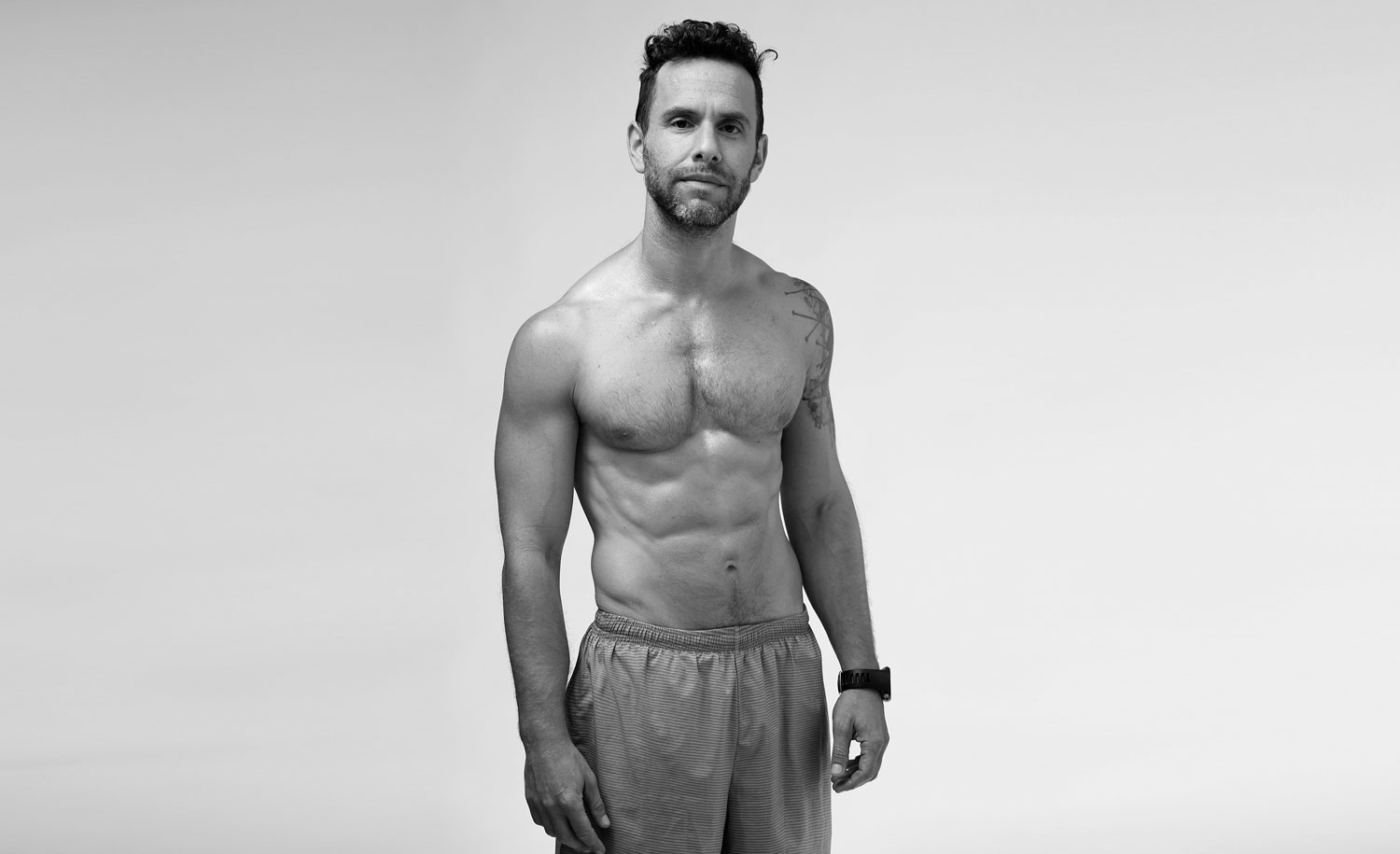
Who wouldn’t love a lean, sexy stomach and an impressive six-pack for summer?
The formula is simpler than you might think:
Get your body fat down, keep your muscle mass up, and have good genetics.
We can’t change that last one. But we can work on the body fat hiding those abs.
So how do you get lean in a healthy, effective way on a fully vegan diet?
The Nonnegotiable: A Calorie Deficit
The key to fat loss is calories—not “all-natural” eating, and definitely not a detox.
For example, suppose someone needs 2,500 calories a day to maintain their current body fat level, without gaining or losing fat.
To lose body fat, that person needs a calorie deficit: eating fewer than 2,500 calories a day.
Daily calorie needs vary from person to person and depend on several factors, including:
Sex
Age
Height
Weight
Type of diet
Physical activity level
Metabolic health
Other medical conditions.
You can’t control all of those factors, but you can work on what you eat and how active you are.
Let’s get practical. What can you actually do?
- Weigh Your Food
It’s easy to misjudge portions and end up eating more calories than you think.
If you’re trying to get lean but your body fat isn’t budging, weighing your food may help.
For example, a level spoonful of natural peanut butter weighing 8 g (about 0.3 oz) contains 50 calories.
A heaping spoonful of that same peanut butter can weigh almost 3 times as much—and contain 3 times the calories.
Weighing your food before each meal can give you a clearer picture of how much you’re eating throughout the day.
2. Keep an Accurate Food Log or Meal Plan.
To track how much protein, carbohydrate, and fat you eat each day, keep a food log. It’ll help you stay on top of your daily protein intake and, of course, your calories.
You can do this on your own or use a dedicated app such as MyFitnessPal.
3. Eat Enough Protein.
When you lose body fat, you can also lose muscle. To help keep that muscle loss to a minimum, you need enough protein.
How much? Aim for 1.5 to 2 grams of protein per kilogram of body weight per day (about 0.7 to 0.9 grams per pound), and sometimes more.
At the upper end of that range, someone weighing 70 kg (154 lb) would eat 140 grams of protein a day.
Remember, protein has calories, too: 1 gram of protein = 4 calories. Eating plenty of protein doesn’t prevent fat gain if your total calorie intake is still too high.
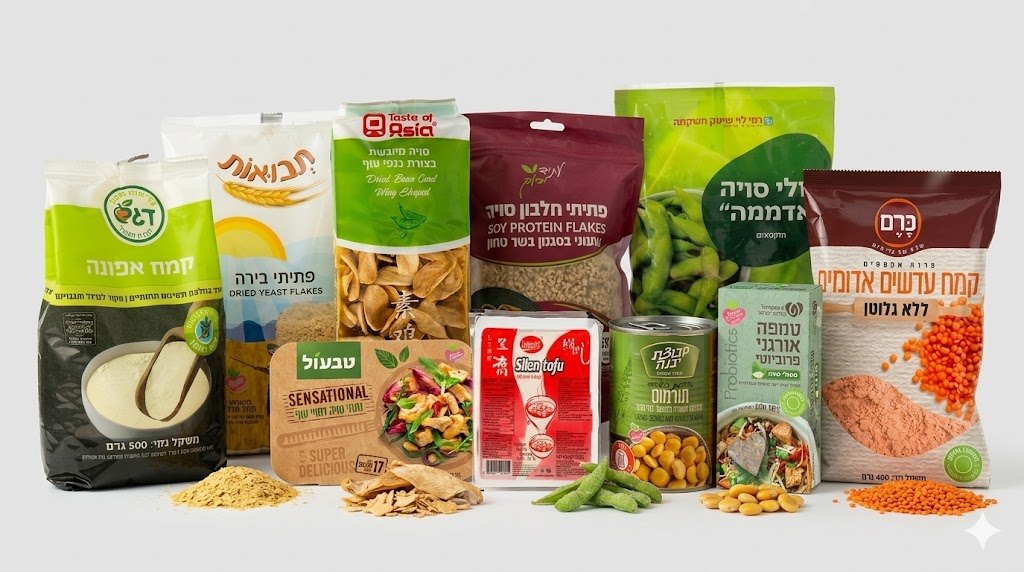
Good Plant-Based Protein Sources Include:
Tempeh, soybeans, seitan, lentils, beans, chickpeas, tofu, quinoa, peanut butter, and plant-based protein powder.
4. Keep Training Hard—Especially With Weights.
Yes, resistance training is especially important when you’re trying to get lean. Lifting weights helps preserve muscle mass while you lose fat.
Don’t be afraid to challenge yourself with weights at the gym. It supports your fat-loss goals. Building muscle (hypertrophy) can be harder during a calorie deficit, but losing body fat can make your muscles look more defined—and sometimes even bigger—even if they haven’t grown at all.
Cardio is a great way to burn additional calories and help maintain a calorie deficit, but pair it with resistance training.