The latest viral uproar over chia cake has raised plenty of questions, plenty of fears, and, above all, confusion about how digestion actually works. One camp blames chia seeds for intestinal blockages. The other calls them a superfood.
Before we give up a great ingredient because the internet is having a moment, let’s sort through the science: how to eat chia seeds, what deserves caution, what doesn’t warrant panic, and what your body actually gets out of them.
What Should You Actually Watch Out For?
Concerns about intestinal or esophageal blockages aren’t entirely made up. But the concern has more to do with how the seeds are eaten than with chia being inherently dangerous. Chia seeds are extremely hydrophilic—meaning they attract water. They can absorb 10 to 12 times their own weight in liquid, forming a thick gel.
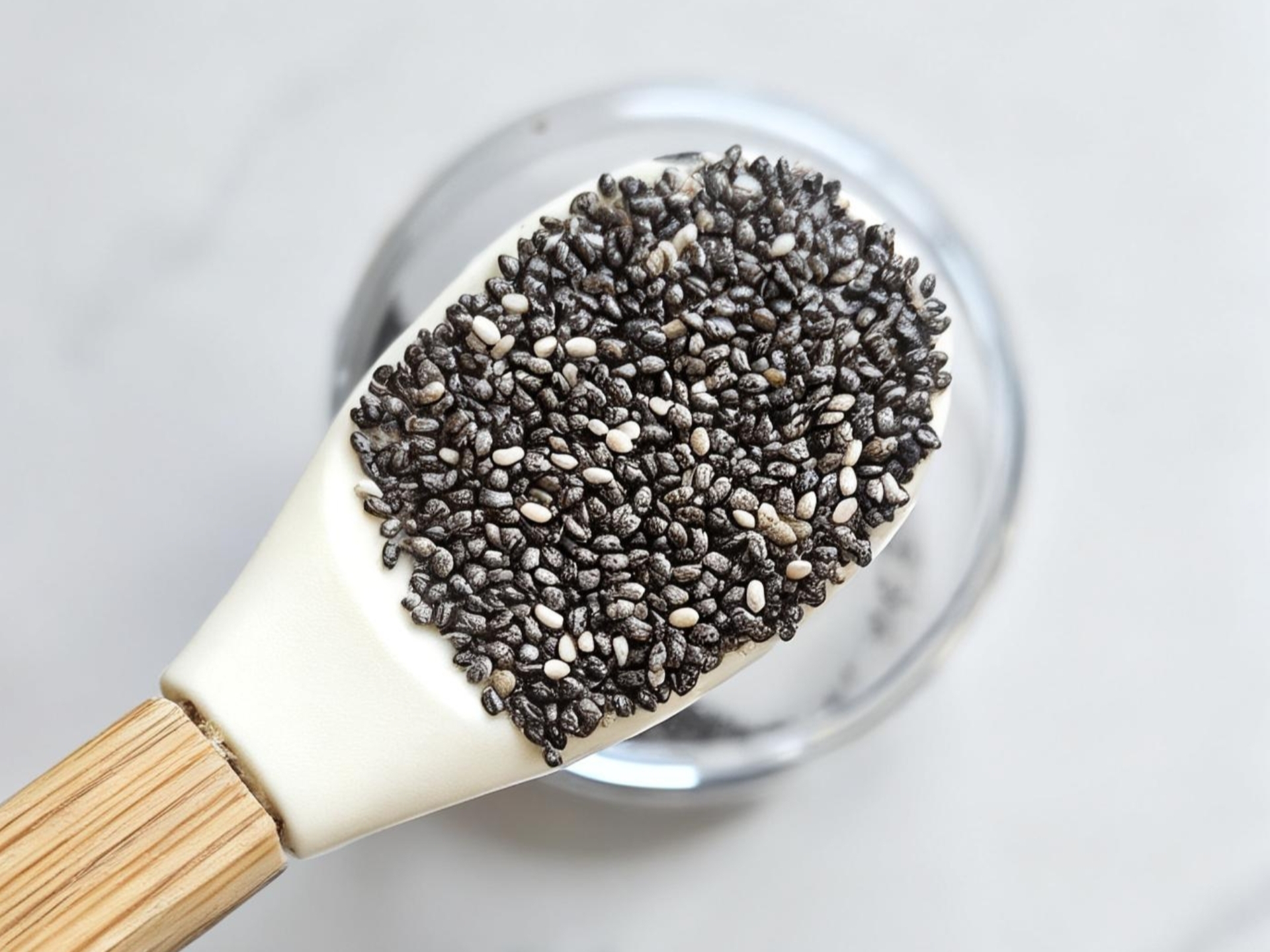
Swallowing a Large Amount of Dry Seeds
The main concern, documented in medical reports, is swallowing a tablespoon or more of completely dry chia seeds, then drinking a little water right afterward. The seeds can encounter liquid while still in the esophagus, expand, form a sticky mass, and cause a physical blockage.
Adding Too Much Fiber Too Fast
Chia contains about 34 grams of fiber per 100 g (3.5 oz)—an impressive concentration. If you don’t normally eat much fiber and suddenly eat a large amount of chia, your digestive system may not appreciate the surprise. You could experience bloating, gas, abdominal pain, or even constipation, especially if you aren’t drinking enough fluid to go with that extra fiber.
Existing Swallowing or Intestinal Motility Problems
People with a narrowed esophagus or chronic problems with intestinal motility—the movement of food through the gut—need to be especially cautious. Thick, gel-like foods may be harder for their digestive systems to move along.
What Doesn’t Warrant Panic?
Baking With Chia and Using It in Recipes
For most people, chia cake, pudding, and bread aren’t a reason to worry, provided the recipe contains enough liquid and the seeds have hydrated—absorbed liquid—during preparation or baking. A chia seed doesn’t block your intestines simply by being there.
Blockages Out of Nowhere
A complete intestinal blockage in an otherwise healthy person eating chia as part of a balanced diet with adequate fluids is exceptionally rare. Our digestive systems generally handle fiber well when we give them the conditions they need, including enough fluid.
How to Eat Chia Seeds Safely
To enjoy what chia has to offer while reducing avoidable risks, follow these three rules:
Soak First: The 20-Minute Rule
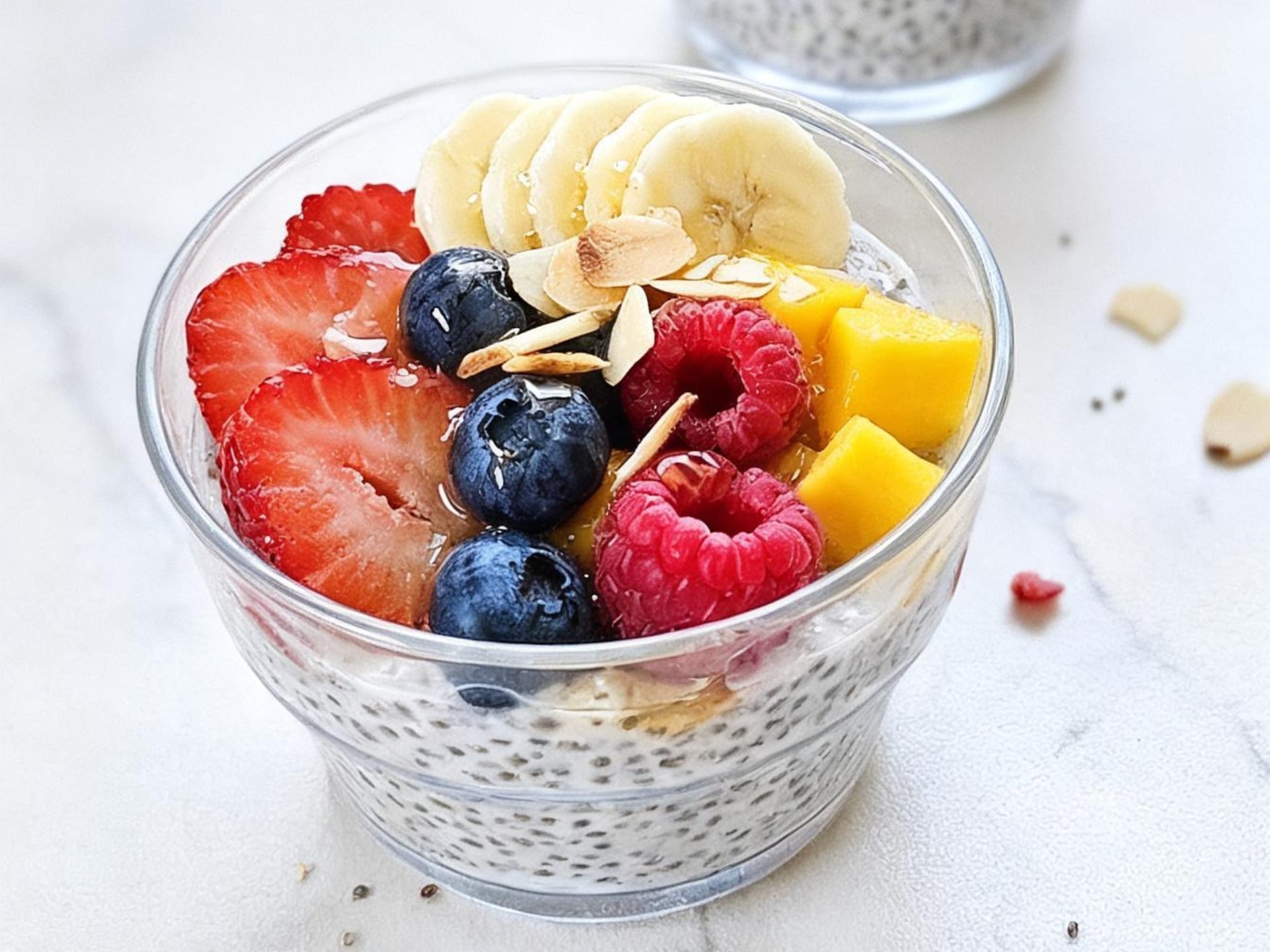
The safer approach is to let chia absorb liquid outside your body. Making chia pudding, oatmeal, or a smoothie? Soak the seeds in liquid—water, plant-based milk, or juice—for at least 15–20 minutes before eating, allowing them to swell and form a gel. That way, they reach your stomach already hydrated rather than relying on the fluid in your digestive tract to do the job.
Start Small and Build Up
Don’t go from 0 to 100. If you’ve never eaten chia before, day one probably isn’t the time to polish off half a seed-packed cake. Start with 1/2 to 1 tablespoon a day, roughly 5–15 g (0.2–0.5 oz). Give your gut bacteria a week or two to adjust to the extra fiber, then increase the amount if needed and if you’re tolerating it well.
Have a Glass of Water Alongside
Adequate fluid helps fiber do its job as food moves through the intestines through muscular contractions called peristalsis. When you eat a food containing chia, make a habit of having a full glass of water with it, and make sure you’re getting enough fluid throughout the day.
Why Bother? The Health Benefits of Chia Seeds
Prepared properly, chia is a genuine nutritional powerhouse:
- A rich source of plant-based omega-3s — Chia seeds are among the richest natural sources of alpha-linolenic acid (ALA), an essential omega-3 fatty acid. ALA contributes to a heart-healthy diet, though it shouldn’t be confused with the other omega-3 fats involved in brain function and inflammation regulation.
- Complete plant protein — They provide about 17 grams of protein per 100 g (3.5 oz) and contain all 9 essential amino acids, giving them a complete amino acid profile. That makes them a useful addition to an athlete’s diet or any plant-based eating pattern.
- Fullness and blood sugar support — The soluble fiber that forms chia’s gel can slow digestion and nutrient absorption. That may help moderate the blood sugar rise after a meal and keep you feeling full longer, rather than guaranteeing that insulin spikes won’t happen.
- Gut health and prebiotic fiber — Chia’s fiber can provide food for beneficial gut bacteria, supporting a healthy gut environment and regular digestion. Those bacteria also play a role in normal immune function.
The Bottom Line
Chia seeds are not inherently dangerous—they’re a fiber-rich food that benefits from a little know-how. You don’t need to fear chia cake or let unsupported online panic dictate your menu. Soak the seeds, drink enough water, and enjoy the nutritional benefits these little seeds have to offer.
Want a Small, Delicious Place to Start?
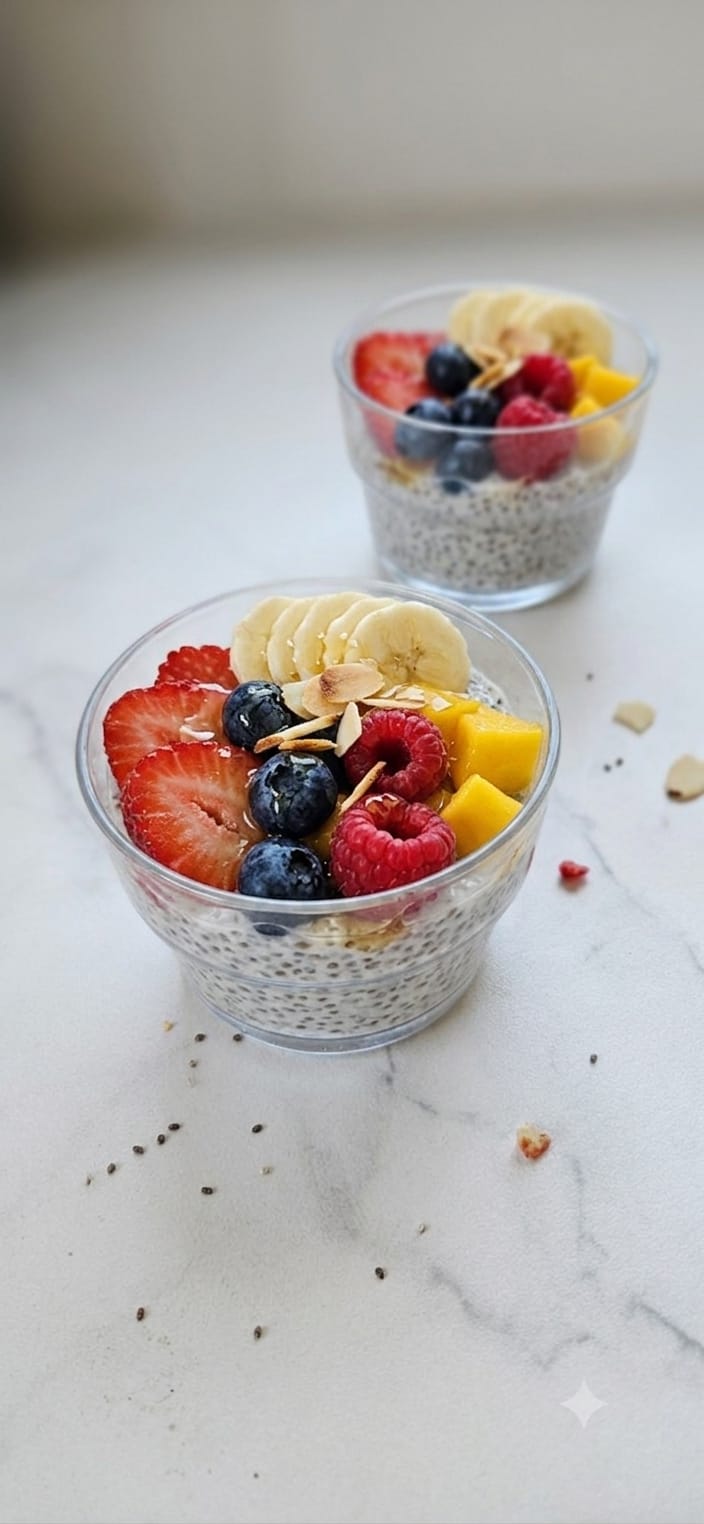
Try this chocolate chia pudding with fruit. It puts the soak-first approach into practice: the seeds absorb liquid in the refrigerator, so they’re hydrated, delicious, and ready when you are.
Frequently Asked Questions
Are Chia Seeds Dangerous?
For most people, no—provided they’re prepared and eaten appropriately. A key avoidable risk is swallowing a large amount of dry seeds with only a little liquid, which can cause an esophageal blockage. Soaking the seeds in liquid for at least 15 minutes, and until they’re fully hydrated, reduces that concern. Chia also offers meaningful nutritional benefits, though people with swallowing or intestinal motility problems still need extra caution.
How Much Chia Can You Eat Per Day?
A practical daily serving is 1–2 tablespoons, approximately 15–25 g (0.5–0.9 oz). That provides omega-3s, dietary fiber, calcium, and magnesium without requiring a huge portion. Your digestive tolerance matters, so start smaller if you’re new to chia. Make sure you’re drinking enough water as you add fiber to your diet.
What’s the Safest Way to Eat Chia Seeds?
The golden rule: soak first. Combine 1 tablespoon of seeds with 3 tablespoons of liquid or a moist ingredient such as water, plant-based milk, or yogurt, then refrigerate for 15 minutes to an hour. Let the seeds hydrate throughout and form an even gel; add more liquid if needed. Avoid swallowing dry seeds straight and chasing them with a little water.
What Are the Health Benefits of Chia Seeds?
Chia seeds supply omega-3s (ALA), soluble dietary fiber, complete protein, calcium, magnesium, and iron. As part of a balanced diet, they can support heart health, help moderate blood sugar responses, promote fullness, and contribute to digestive health.