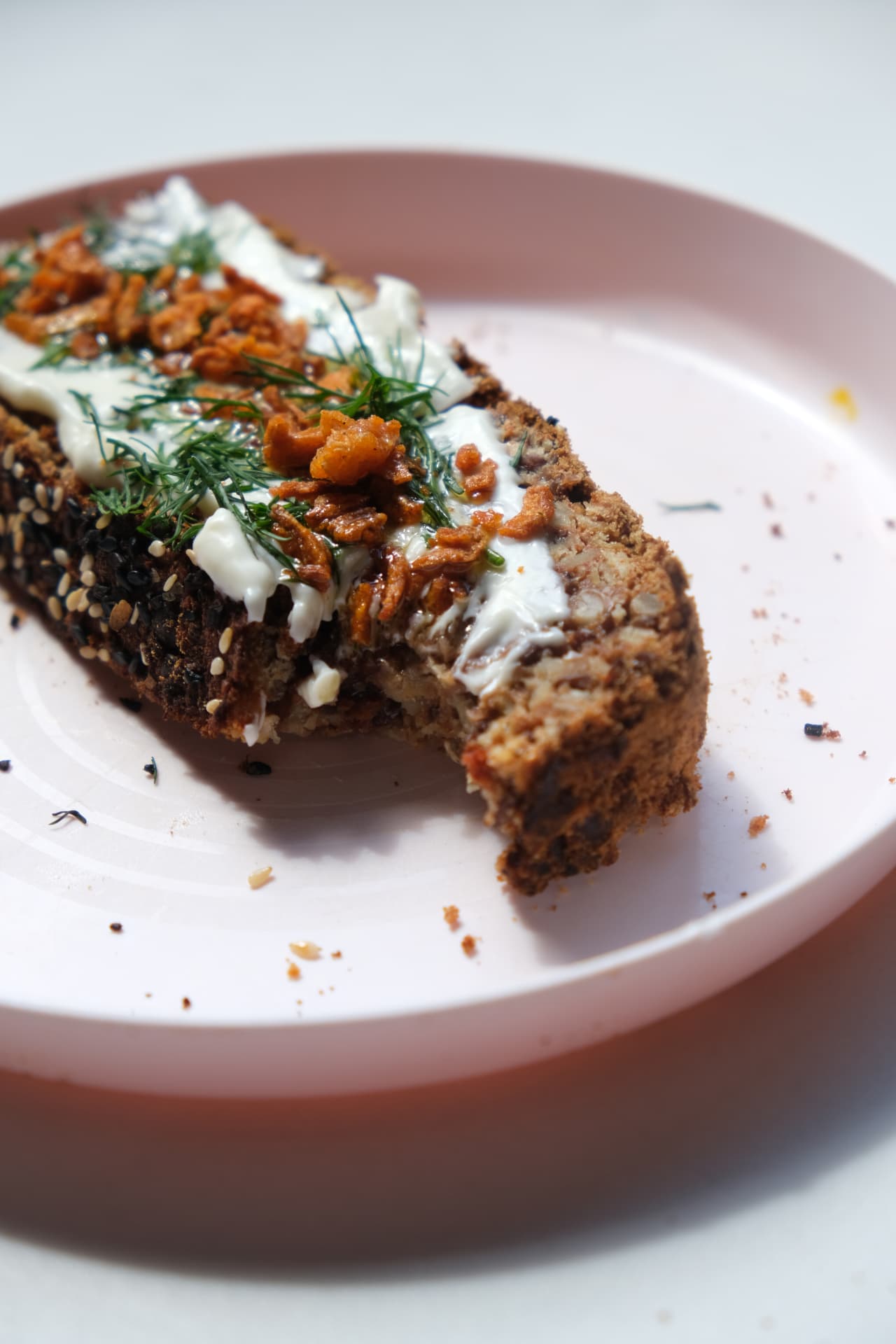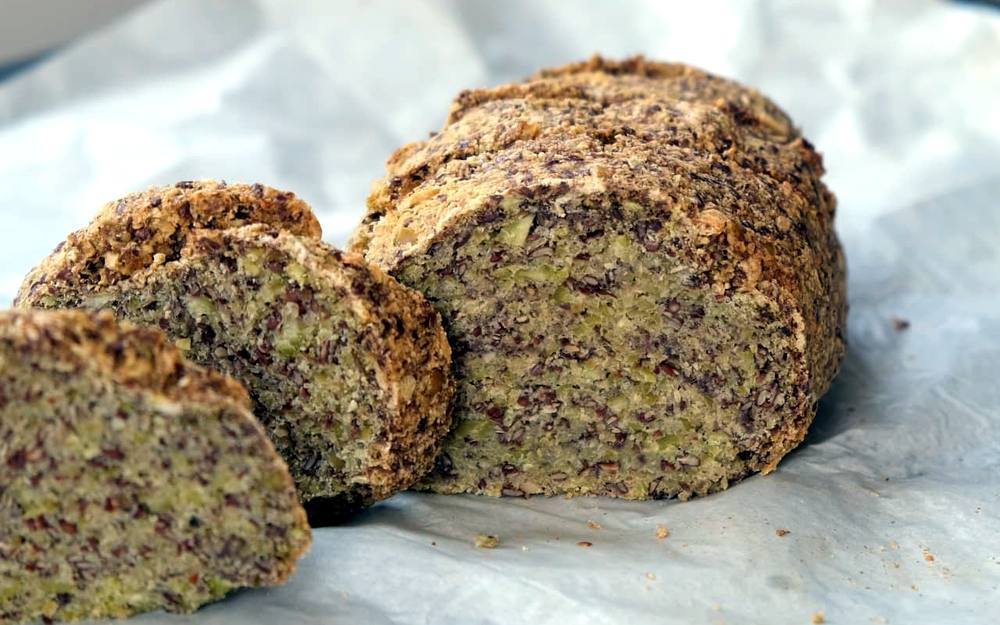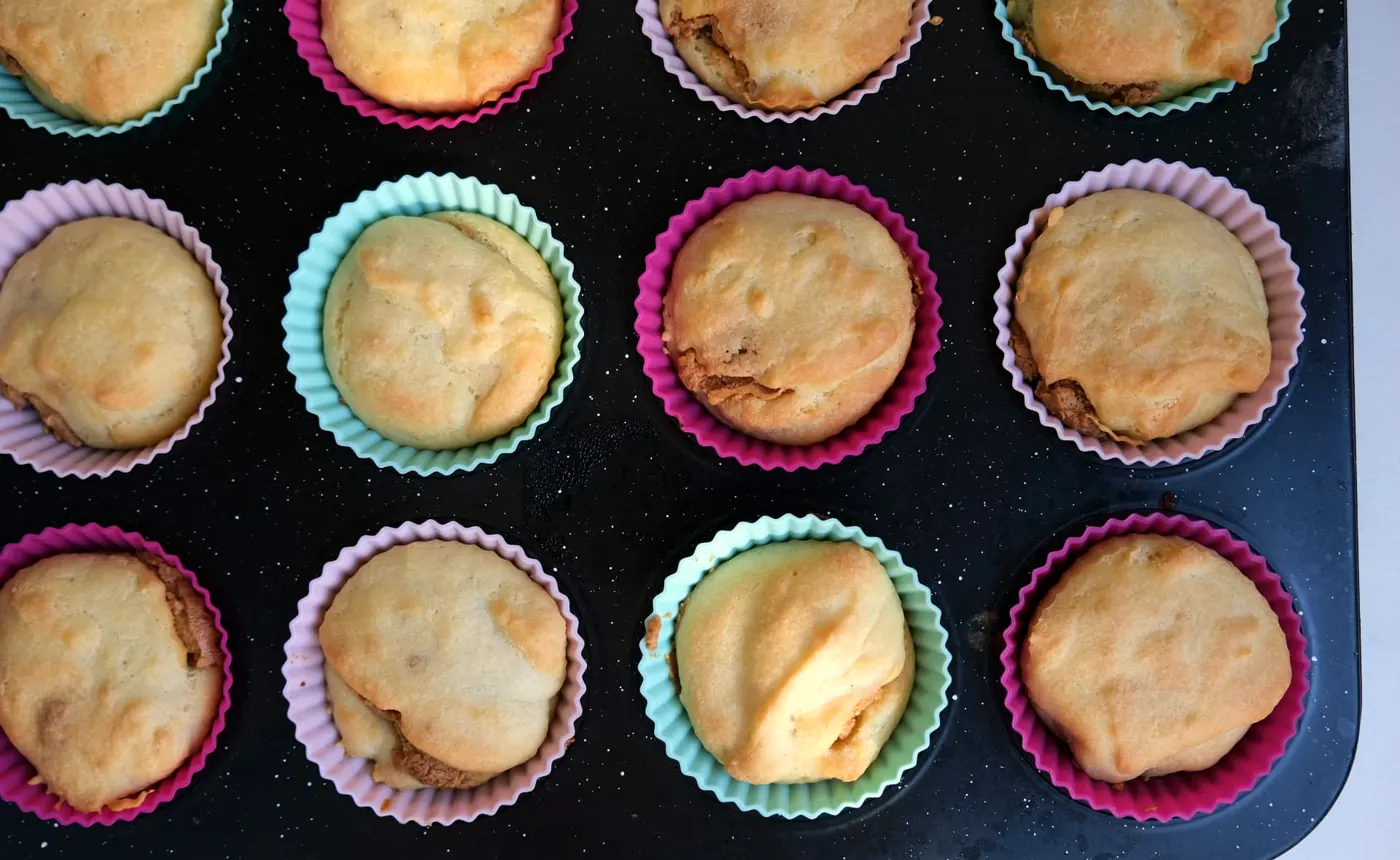
If you've ever tried swapping protein powder for flour, you probably know this moment: You pull something out of the oven that looks like a muffin, take a bite, and discover you've baked an eraser. Dry. Rubbery. Suspiciously bouncy. When I was developing my vanilla cloud muffins with peanut butter centers, I had to figure out why that happens so I could work around it. Here's the science, along with the techniques that work for me.
The Problem: Protein Powder Isn't Flour
Wheat flour is mostly starch. In the oven, that starch absorbs water and swells, helping create a soft, tender crumb. Protein isolate powder is almost entirely protein, and it behaves very differently:
- It's seriously thirsty. Protein powder absorbs much more liquid than flour, so a batter that looks just right can still dry out in the oven.
- Proteins bond with one another when heated. As protein heats up, it unfolds and forms a network. Without anything to get in the way, that network becomes dense and tough. Hello, eraser.
- There's no starch to soften things up. Nothing fills the gaps and helps create that tender crumb.
The Myth: “Heat Destroys Protein”
I get this question a lot. The reassuring answer: No. Heat causes denaturation, which means it changes a protein's three-dimensional structure—the same thing that happens when you cook tofu, lentils, or an egg. The amino acids are still there, and your body breaks protein down into amino acids anyway. Baking doesn't make the protein you added to your muffin disappear.
Denaturation does change one thing that matters here: texture. That's where these tricks come in.
Trick 1: Coat the Protein With Fat
If you mix the protein powder with the oil first, the fat coats the particles. That helps limit how much liquid they absorb and how tightly they bond in the oven. The result is softer and more moist. I use olive oil in my muffins, but any oil works. Don't cut the fat to zero to “save calories”: That's exactly how a protein muffin ends up in eraser territory.
Trick 2: Use Cold Seltzer Instead of Water
The carbon dioxide bubbles in seltzer enter the batter and expand as it heats, working alongside the baking powder to give you lift and lightness without eggs. The cold matters: Gas stays dissolved better in cold liquid. Fold it in gently at the very end, then get the batter into the oven right away.
Trick 3: Don't Dry It Out in the Oven
Protein baked goods can dry out fast. Pull them out when a toothpick comes out with a few moist crumbs, rather than waiting until it's completely clean. The residual heat will finish the job. A few extra minutes can be the difference between a cloud and a rubber ball.
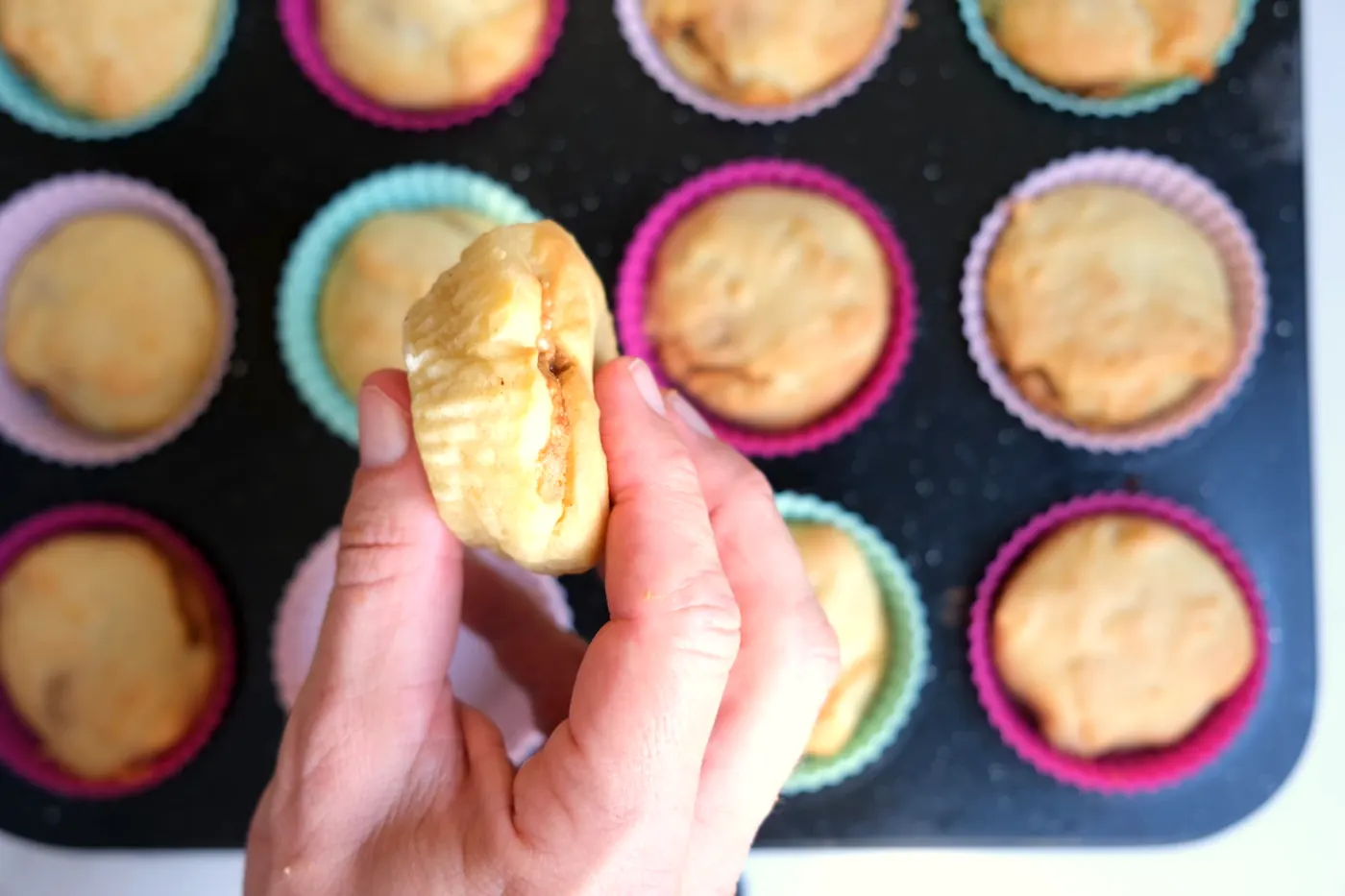
Trick 4: Add a Rich, Soft Center
A peanut butter and chocolate center isn't just a treat. It adds fat and moisture to the middle, giving every bite a contrast between the muffin and something melty. Even if the crumb is a little dense, the whole bite still feels soft.
Soy vs. Pea: Why I Chose Soy
Not all vegan protein powders behave the same way in the oven. Here's what I've found:
- Soy protein isolate produces a relatively smooth, even texture and has a neutral flavor that works well in sweet baked goods.
- Pea protein tends to produce a grainier, sandier texture, with a “green” flavor that's more noticeable in a delicately flavored muffin.
- Blends can work, but every blend is different. Test a small batch first.
For these muffins, I used Myprotein Impact Soy Protein powder. If you switch powders and the batter turns out too thick, add a few more tablespoons of seltzer until it looks like regular muffin batter.
And It's Not Just for the Oven
The same principle works in other batters: protein from tofu or legumes, enough moisture, and a little fat. That's also how I developed my tofu and corn pancakes in a sandwich press.
The Takeaway in 5 Lines
- Protein powder absorbs more liquid than flour, so your batter needs more moisture.
- Heat doesn't destroy the protein; it changes its structure and texture.
- Mix the powder with the oil before adding the liquids.
- Cold seltzer adds airiness without eggs.
- Take protein baked goods out of the oven earlier than you normally would.
Ready to try it? Start with my vanilla cloud muffins. You'll find plenty more high-protein, low-calorie recipes in my book, “More Protein, Fewer Calories”.