How to Get Complete Protein on a Vegan Diet
For vegan athletes and health-conscious eaters alike, one question often comes up: "How do I get complete protein?" The great news is that getting all the essential amino acids your body needs on a plant-based diet is straightforward. To get complete protein, you simply need to eat a variety of plant foods throughout the day. The myth of meticulously combining proteins at every meal has long been debunked.
This article will break down what a complete protein actually is, which plant foods are already complete, and why your total daily intake and food variety are what truly matter.
What Is a Complete Protein?
Proteins are made of smaller building blocks called amino acids. Our bodies use 20 different amino acids to build proteins for everything from muscle repair to hormone production. Of these 20, nine are called essential amino acids because our bodies can't produce them on their own. We must get them from food.
A protein source is considered "complete" when it contains all nine essential amino acids in roughly equal and sufficient amounts. An "incomplete" protein source still contains all nine, but it's low in one or more of them. The amino acid that is lowest in a particular food is called the "limiting amino acid."
The Nine Essential Amino Acids:
- Histidine
- Isoleucine
- Leucine
- Lysine
- Methionine
- Phenylalanine
- Threonine
- Tryptophan
- Valine
Plant Foods That Are Complete Proteins
Contrary to popular belief, you don't have to look far to find single plant foods that are considered complete proteins. They provide all nine essential amino acids in a balanced profile. Here are some of the best:
- Soy: Soy products like tofu, tempeh, edamame, and soy milk are fantastic complete protein sources. Firm tofu, for example, packs about 17 grams of protein per 3.5 oz (100 g (3.5 oz)).
- Quinoa: This popular pseudocereal boasts about 8 grams of complete protein per cooked cup (about 185 g (6.5 oz)).
- Buckwheat: Like quinoa, buckwheat is a pseudocereal and a complete protein, offering about 6 grams of protein per cooked cup.
- Hemp Seeds: A true protein powerhouse, providing about 10 grams of complete protein in just 3 tablespoons.
- Amaranth: Another ancient pseudocereal, amaranth contains about 9 grams of protein per cooked cup.
- Pistachios: These delicious nuts are a complete protein, providing about 6 grams of protein in a 1 oz (about 28 g) serving.
The Myth of Protein Combining
Years ago, the concept of "protein combining" was a popular recommendation. This theory suggested that vegans needed to strategically pair foods with complementary amino acid profiles—like rice and beans—in the same meal to form a complete protein.
We now know this is unnecessary. Your body is smarter than that. It maintains a pool of free amino acids. As long as you eat a variety of protein sources throughout the day, your body can pull the amino acids it needs from that pool to build complete proteins. It will take the lysine from the legumes you had for lunch and the methionine from the whole grains you have for dinner and create a complete protein.
- Legumes (beans, lentils, chickpeas): Generally high in lysine but lower in methionine.
- Grains (rice, wheat, oats): Generally lower in lysine but higher in methionine.
Eating from both groups over the course of a day ensures you're covered. For a broader look at protein sources, check out our complete guide to plant-based protein.
What About Protein Quality? PDCAAS and DIAAS Explained
When scientists talk about protein quality, they use scores like PDCAAS (Protein Digestibility Corrected Amino Acid Score) and its more modern successor, DIAAS (Digestible Indispensable Amino Acid Score). In simple terms, these scores measure not just the amino acid profile of a food, but how well our bodies can actually digest and absorb that protein.
Animal proteins (like whey) tend to score higher on these scales than a single plant protein. However, studies show that a blend of plant proteins (like pea and rice protein) can achieve a score that's just as high as whey. This reinforces the core message: variety is key.
Table of Protein Quality (Example PDCAAS Scores)
| Protein Source | Approximate PDCAAS Score |
|---|---|
| Soy Protein Isolate | 1.00 |
| Casein (Milk Protein) | 1.00 |
| Tofu | 0.99 |
| Chickpeas | 0.78 |
| Rice | 0.50 |
| Whole Wheat | 0.45 |
Note: A lower score doesn't mean a protein is "bad." It simply means you might need to eat slightly more of it, or combine it with other sources throughout the day, to get a balanced profile.
Practical Daily Pairings
While not required at the same meal, these classic pairings are delicious, nutritious, and happen to create a complementary protein profile.
- Oatmeal with nuts and seeds: A perfect start to the day. Try one of our overnight oats recipes.
- Hummus with whole-wheat pita bread.
- Lentil curry with brown rice.
- A black bean and quinoa salad.
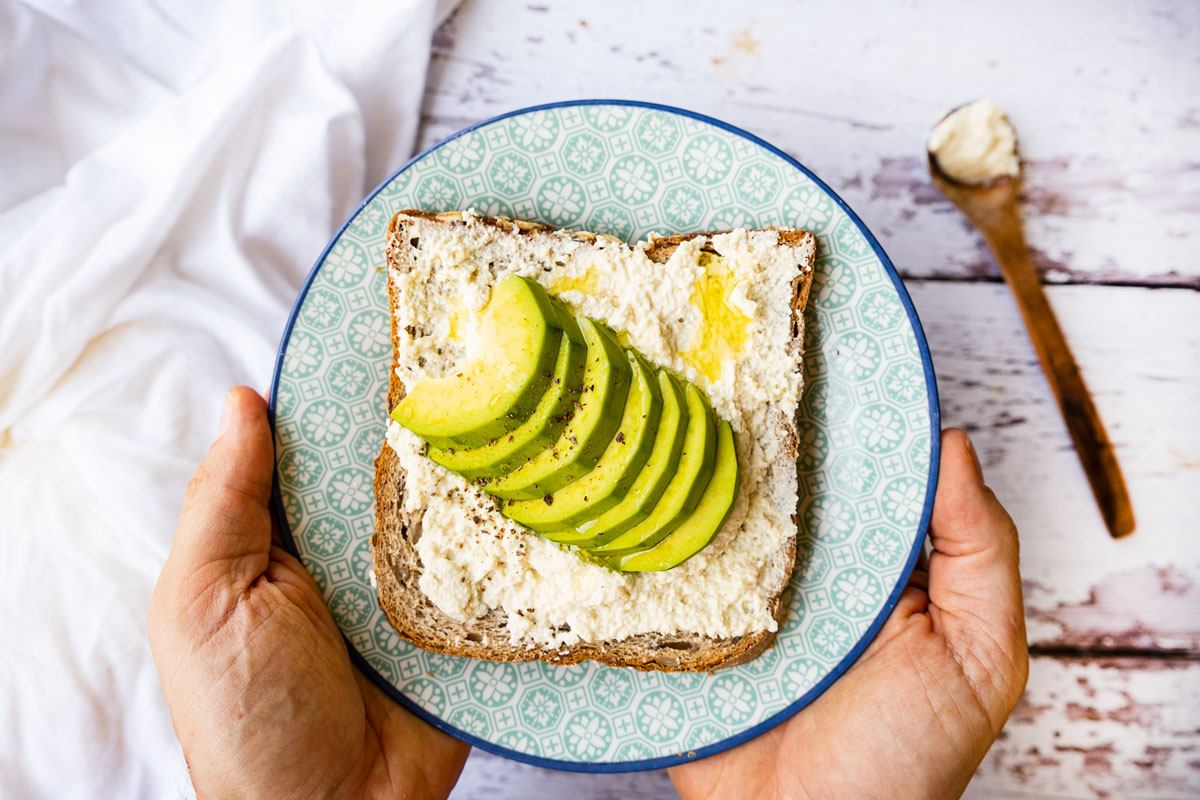
- Whole-wheat toast with peanut butter.
Frequently Asked Questions
Can you build muscle on plant-based protein?
Absolutely. Countless vegan athletes, from bodybuilders to Olympians, are living proof. As long as you consume enough calories and get sufficient protein from a wide range of sources, your body has everything it needs for muscle growth and repair.
How much protein do I need a day?
The general recommendation for a sedentary person is about 0.36 grams of protein per pound of body weight (0.8 g/kg). For athletes and active individuals, this number increases to a range of 0.5 to 1.0 grams per pound (1.2-2.2 g/kg), depending on the sport and intensity. Use our protein calculator for a personalized estimate.
Is pea protein a complete protein?
Pea protein contains all nine essential amino acids, but it is low in methionine. Therefore, it is not technically considered a complete protein on its own. This is why many plant-based protein powders blend pea protein with rice protein (which is high in methionine but low in lysine) to create a perfectly balanced amino acid profile. See our pea vs. soy vs. rice protein comparison for more details.
Do I need to track my amino acid intake?
For the vast majority of people, the answer is no. If you are eating a varied diet that includes legumes, grains, nuts, and seeds, you will almost certainly get an adequate supply of all essential amino acids. There's no need to track every gram of lysine or methionine.
In summary, ensuring a complete protein intake on a vegan diet is about variety, not complex calculations. Focus on eating a wide array of whole plant foods, and you'll give your body the building blocks it needs to thrive. For more high-protein meal ideas, check out our vegan meal plans or calculate your personal needs with our free protein calculator.