“Which protein powder should I buy?” is one of the questions I get most often. There’s no single powder that works for everyone. The right choice depends on what you’ll do with it: blend a post-workout shake, bake protein bread, or boost your daily protein without upsetting a sensitive stomach.
First: Do You Even Need Protein Powder?
Nope. You can get plenty of protein from food alone: tofu, tempeh, seitan, lentils, and edamame. Powder just makes things easier when your protein target is high (120–150 grams a day) and your calorie budget is low. A serving typically delivers about 20–25 grams of protein for fewer than 120 calories.
For a Great-Tasting Shake While Cutting Calories
A blend of protein sources—pea, rice, and others—offers a more complete amino acid profile and a smooth texture. It’s a good fit if you want your shake to feel like dessert.
For Building Muscle and Training Hard
Pea protein isolate packs plenty of protein into each serving. It’s relatively rich in leucine for a plant protein, and buying a larger container can keep the cost reasonable.
For a Sensitive Stomach and Bloating
If thick shakes leave you feeling weighed down, try a “clear” protein powder. It makes a light, refreshing, juice-style drink rather than a thick shake, which may feel less filling.
For Baking and Cooking: Keep It Unflavored
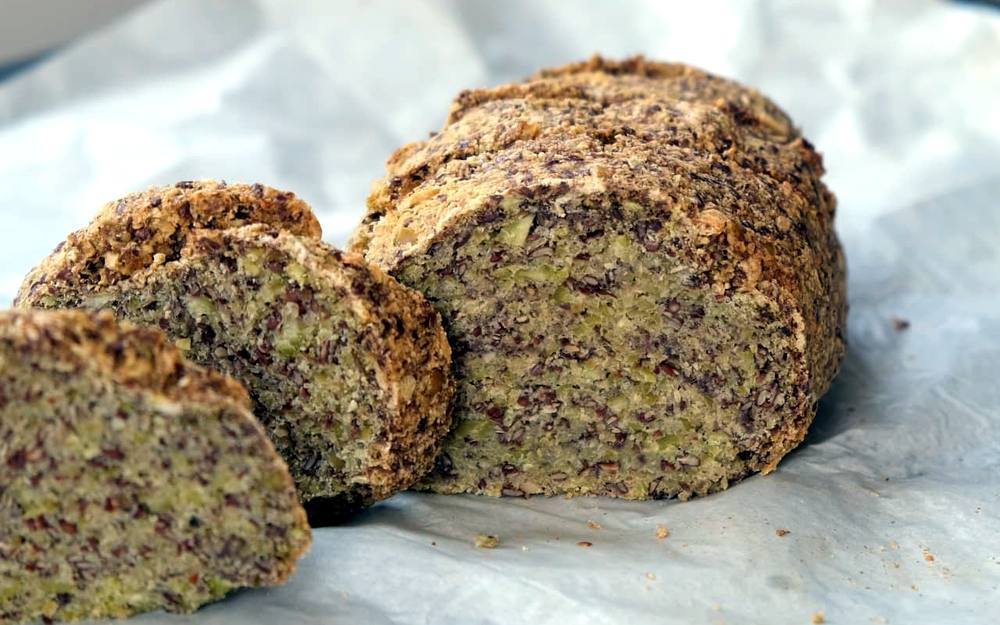
Sweetened or flavored protein powder can ruin a loaf of bread or a savory bake. Save the vanilla for your shake. Choose an unflavored powder with no sweeteners, and add it gradually—it absorbs liquid.
What About Supplements?
- B12: A must for anyone eating a fully plant-based diet.
- Creatine: The best-supported supplement for strength training. Take 3–5 grams a day; no loading phase needed. Vegans get very little creatine from their diet, so the benefits may be even greater.
- Algae-Based Omega-3s: A direct plant-based source of EPA and DHA.
- Iron: Only when blood tests show you need it.
The Bottom Line
Great-tasting shakes: a blend. Muscle building: pea protein. Sensitive stomach: try clear protein. Baking: unflavored. You can use the discount code HAGGAI on all products in the store. Want more recipes that pack in protein without piling on calories? You’ll find them in my book, “More Protein, Fewer Calories”.
Disclosure: These are affiliate links. I earn a small commission if you make a purchase, at no extra cost to you.