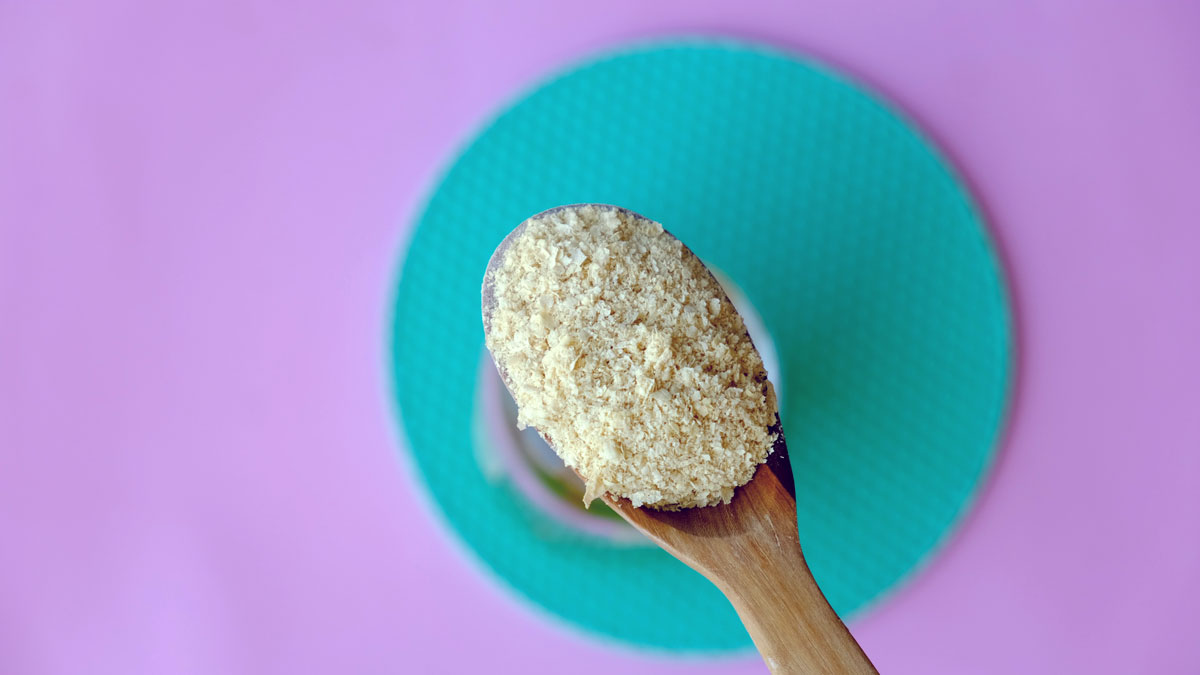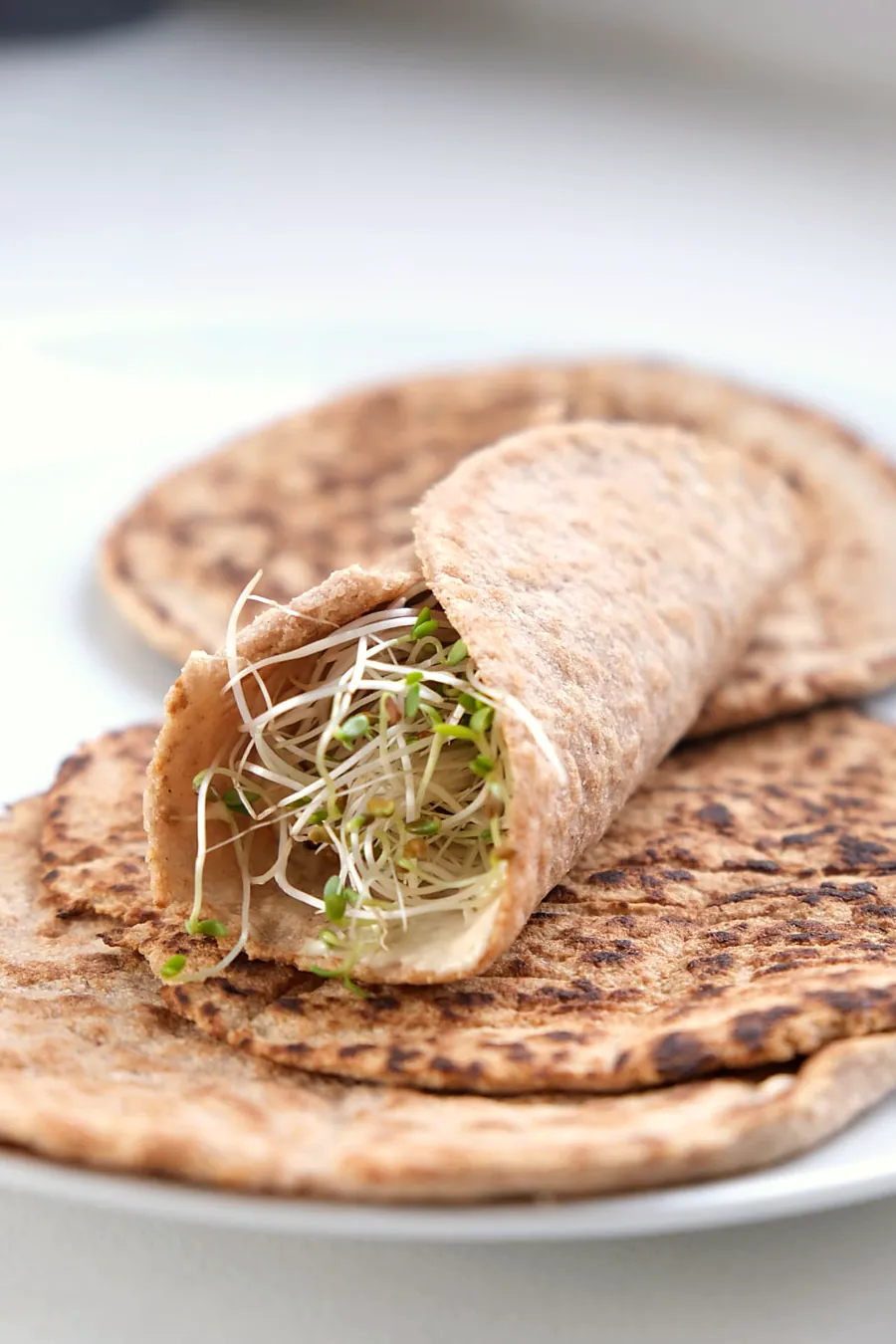
Ever since I shared my almond flour tortillas, the questions have been rolling in: “Can I use regular flour instead?” “Is it really low-carb?” “Why did my cake burn on the outside but stay wet in the middle?” Almond flour is one of the most useful ingredients in a low-carb, gluten-free kitchen, but it plays by very different rules than wheat flour. Here’s how I work with it—and how you can, too.
Almond Flour vs. Almond Meal: The Difference Matters
- Finely ground, blanched almond flour: Almonds with their skins removed, ground into a fine, pale powder. This is what you want for tortillas, cakes, muffins, and soft doughs.
- Almond meal with the skins: A coarser grind that includes the brown skins. It works well for crumble toppings, coatings, or veggie patties, but it makes delicate baked goods heavy and grainy.
If the package just says “ground almonds,” check the color and texture. Pale and powdery? Good for baking. Speckled and coarse? Less suited to delicate baked goods.
How Many Carbs Are in Almond Flour?
In 100 g (3.5 oz) of almond flour, you’ll find approximately 570 calories, 21 grams of protein, 50 grams of fat, and 20 grams of carbohydrates, including about 10 grams of fiber. That works out to about 10 grams of net carbs per 100 g (3.5 oz), compared with about 70 g (2.5 oz) in white wheat flour. In a serving such as one of my tortillas, that’s just about 2–3 grams of net carbs.
Thanks to its fiber and fat content, almond flour generally has a smaller impact on blood sugar than white wheat flour and can help keep you feeling full longer. That makes it a useful option for low-carb or ketogenic eating, as well as for people working on blood sugar management.
The Catch: Those Calories Add Up
Almond flour is, essentially, almonds—and about half its weight is fat, mostly heart-healthy monounsaturated fat. That’s helpful for fullness, but if you’re trying to lose body fat, it’s easy to go overboard. A few simple rules:
- Weigh it instead of eyeballing it. Three heaping tablespoons can already add up to about 150 calories.
- When adapting a recipe to use almond flour, reduce the amount of oil or vegan butter.
- Add another protein source, such as protein powder, tofu, or soy yogurt, so you’re building a balanced meal—not just a lower-carb one.
On a low-carb vegan diet, where many of the usual carbohydrate sources—bread, rice, pasta—come off the plate, almond flour helps you keep the familiar textures of “regular food.” Think bread, wraps, and cookies, without losing sight of your goal.
Why Can’t You Swap Almond Flour for Regular Flour 1:1?
1. No Gluten Means No Built-In Structure
Almond flour contains no gluten, so it can’t form the stretchy network that holds dough together. Without some help, the dough crumbles and tears. My solution is psyllium husk powder, which absorbs water and forms a flexible gel that mimics some of gluten’s functions. I explain more in my guide to the science of psyllium.
2. It Burns Faster
The fat and natural sugars in almonds make almond flour brown quickly. That’s why I generally bake at 160–170°C (320–340°F) rather than 180°C (350°F). If the top browns too soon, cover it with aluminum foil.
3. It Absorbs Less Liquid
Almond flour absorbs much less liquid than wheat flour, and far less than coconut flour. Coconut flour absorbs 3–4 times as much, so you can’t swap the two 1:1. As a rough starting point, 1 tablespoon of coconut flour replaces about 3–4 tablespoons of almond flour, with adjustments to the liquid.
4. The Dough Needs a Rest
A few minutes of rest after kneading gives the psyllium and fiber time to absorb water. Dough that looks too wet at first can firm up on its own after 5 minutes. Don’t rush to add more flour.
First Up: Almond Flour and Psyllium Tortillas
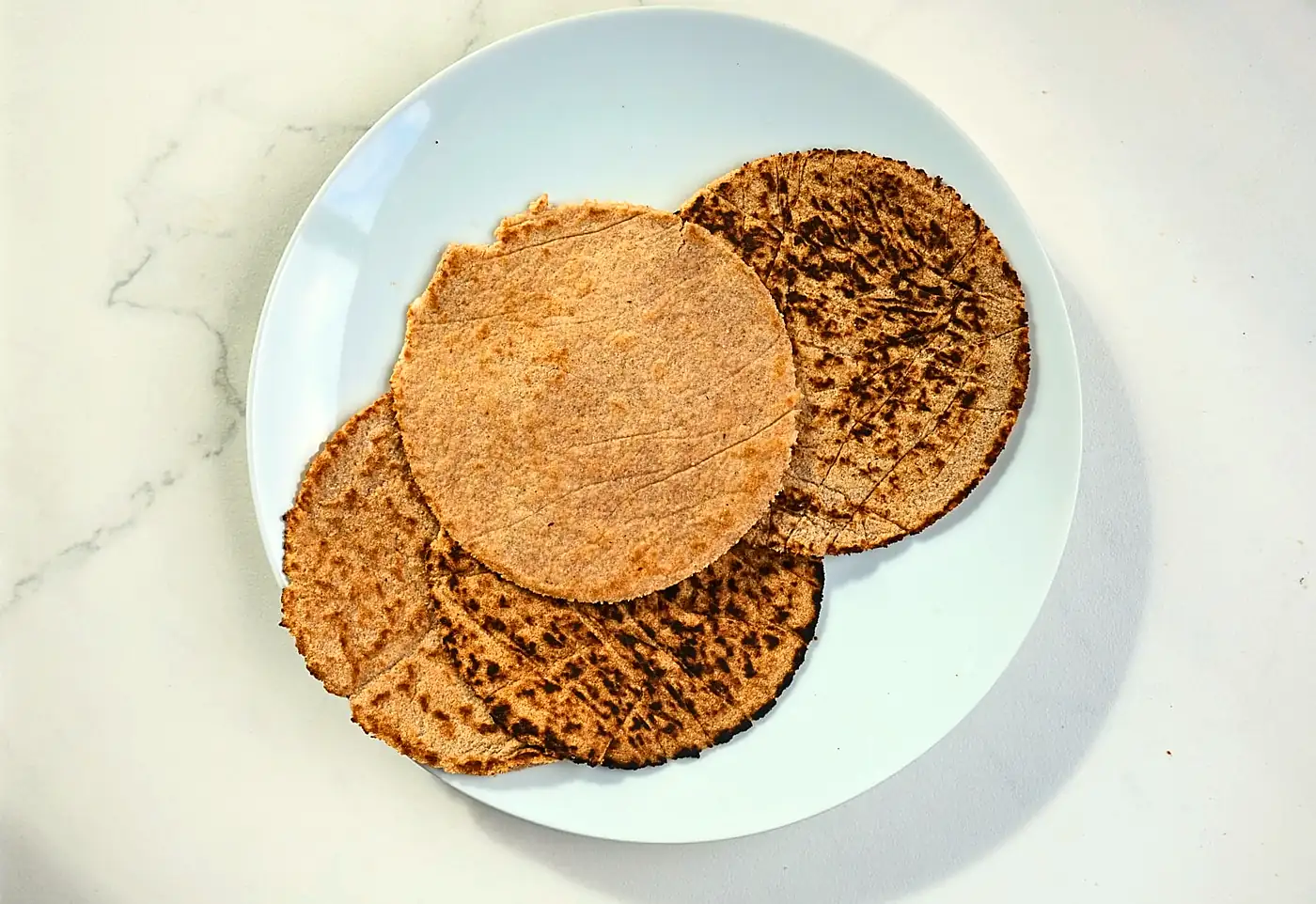
This recipe puts all those principles to work: almond flour as the base, a little coconut flour to absorb moisture, psyllium and a few minutes of rest for flexibility, and a dry skillet instead of an oven. The result is a tortilla that folds around your favorite filling, with just about 2.5 grams of net carbs.
Get the full almond flour tortilla recipe →
Next Up: Peanut Butter Cinnamon Rolls
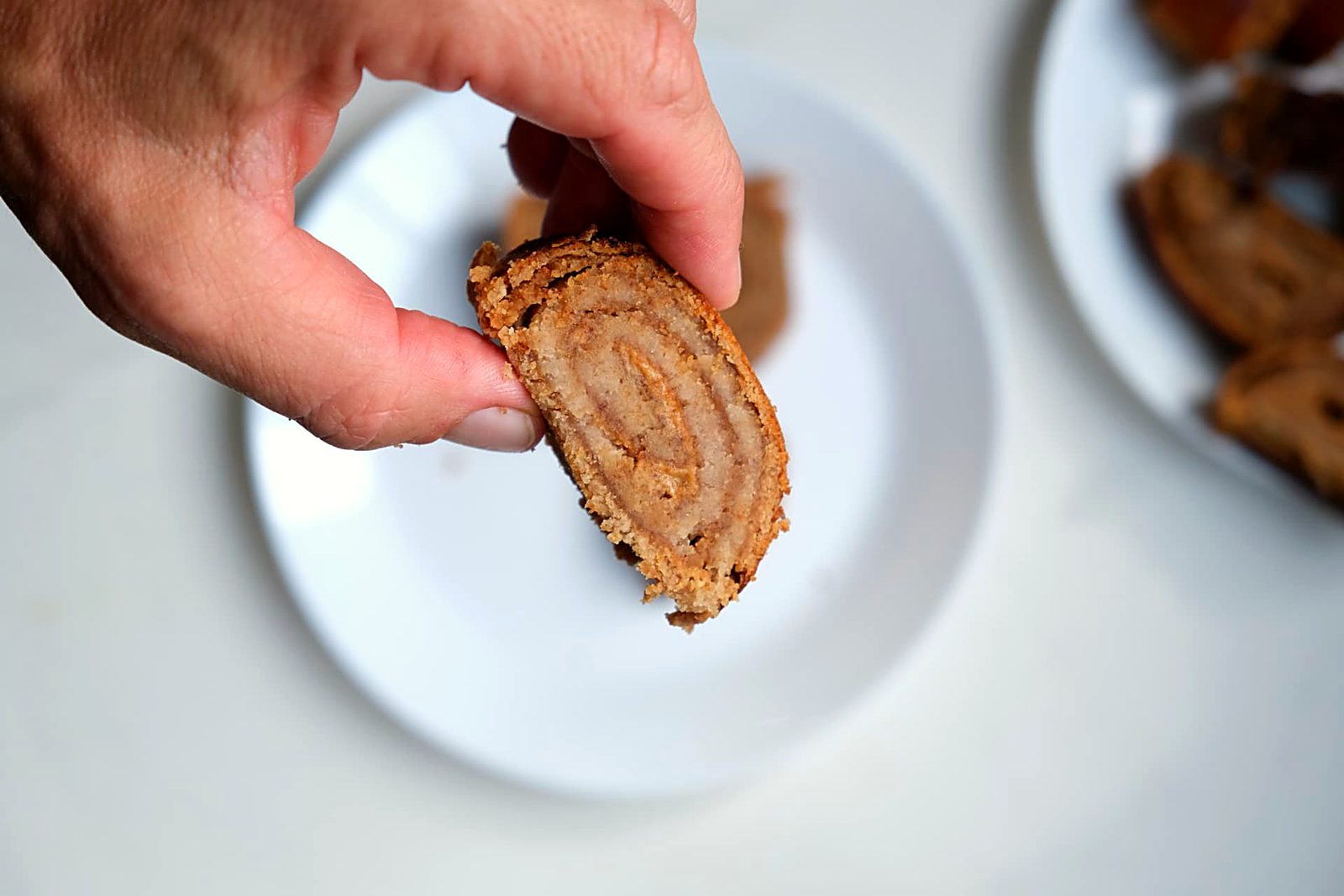
Here, almond flour gets the sweet-dough treatment. It adds nutty flavor and a tender texture, while psyllium lets you roll out the dough and roll it up without tearing. It’s a good reminder that dessert can fit into low-carb eating, too.
How to Store Almond Flour
The oils in almonds are sensitive to heat and light. They can oxidize and develop a bitter flavor. Store almond flour in an airtight jar in the refrigerator for up to a few months, or in the freezer for up to a year. If it smells sharp or bitter, it’s time to toss it.
Frequently Asked Questions
Is Almond Flour Keto-Friendly?
Yes. With about 10 grams of net carbs per 100 g (3.5 oz), and as little as 2–3 grams in a serving like these tortillas, it’s one of the most common flours used in ketogenic and low-carb baking.
Can I Make Almond Flour at Home?
Yes. Process blanched almonds in a food processor using short pulses. Go too far and the almonds release their oils—congratulations, you’ve made almond butter. Homemade almond flour will be a little coarser than store-bought.
What Can Someone With a Nut Allergy Use Instead?
Ground sunflower seeds or pumpkin seeds behave similarly. Keep in mind that sunflower seeds can turn greenish when baked with baking powder. The color change is harmless.
How Much Protein Is in Almond Flour?
About 21 grams per 100 g (3.5 oz). That’s a respectable amount, but relative to its calories, almond flour isn’t a particularly efficient protein source. To estimate how much protein you need each day, try my protein calculator.
And if you’re looking for more recipes that pack in protein without piling on calories, you’ll find them in my book, “High Protein, Low Calories”.